
How to measure hinges on a door
How to measure hinges on a door
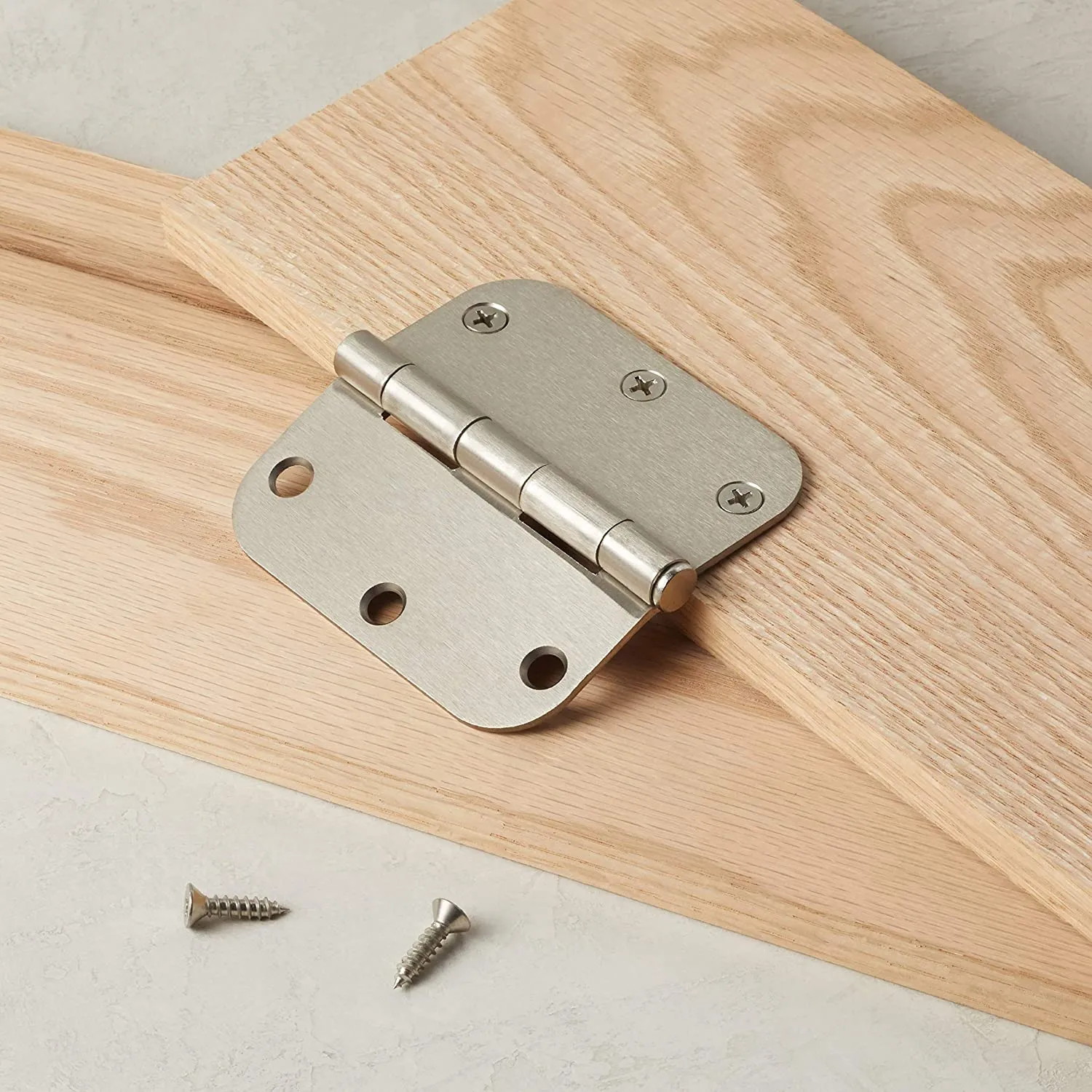
To measure hinges on a door, start by using a tape measure to check the height, width, thickness, and corner radius. When you measure hinges accurately, you can select the right TDC replacement hinges that match your door’s weight and size for optimal performance. TDC’s customizable hinge solutions make fitting easy and ensure your doors operate smoothly every time.
Tools for Measuring Hinges
Essential tools for measure hinges
Accurate measurements start with the right tools. Most people use a steel measuring tape or a sturdy ruler to check the size of a door hinge. These tools help measure the height, width, and thickness. A screwdriver is also important for removing the hinge from the door, which allows for more precise readings. For the corner radius, a quarter or dime works well as a quick reference.
Tip: Removing the hinge from the door gives the most accurate results. This step helps avoid errors caused by paint or uneven surfaces.
Optional tools for accuracy
Some projects require even greater precision. Specialized tools, such as digital measuring tapes, provide instant and highly accurate readings. Fiberglass measuring tapes offer flexibility and resist environmental changes, making them useful for outdoor doors. Calibration of these tools ensures that all measurements remain consistent and reliable. When users calibrate their tools, they reduce the risk of errors that can occur with basic equipment.
Steel measuring tape: High precision and durability
Fiberglass measuring tape: Flexible and weather-resistant
Digital measuring tape: Laser technology for fast, accurate results
TDC customizable hinge solutions rely on exact measurements. Accurate readings help customers order the right size and finish directly from the factory. This process ensures that every TDC hinge fits perfectly and performs as expected.
Measure Door Hinges
Door hinge dimensions: height, width, thickness
Measuring door hinges starts with identifying the main hinge dimensions. Height, width, and thickness determine the fit and function of the hinge. To measure hinges, follow these steps:
Remove the hinge from the door using a screwdriver. This step ensures accurate readings and avoids errors caused by paint or uneven surfaces.
Place the hinge on a flat surface. Use a steel measuring tape or ruler to measure the door hinge height from the top to the bottom edge.
Measure the door hinge width by stretching the tape from one side to the other, across the leaf when fully open.
Measure the thickness by placing the tape or ruler along the edge of the hinge leaf. This step helps determine if the hinge will fit the mortise and support the door weight.
Measure the thickness of your door to ensure the hinge matches the door’s requirements.
The table below shows standard hinge dimensions for residential and commercial doors:
Specification | Residential | Commercial |
|---|---|---|
Typical sizes | 3.5" (interior), 4" (exterior) | 4.5" (standard), 5" (heavy-duty) |
Hinge count | 2 for <60" doors, 3 for 60"+ or 90+ lbs | 3 minimum, 4 for 84"+ or 200+ lbs |
Material | Steel or brass, plain or ball bearing | Steel (stainless/plated), ball bearing required |
Finish priority | Decorative (ORB, brass, matte black) | Functional (satin chrome, nickel, primer) |
Code requirements | Minimal (fire-rated only) | IBC and NFPA standards, listed hinges required |
Load capacity | Standard cycle count | 1M–2M+ cycles, heavier load ratings |
TDC offers residential, commercial, spring, and stainless steel hinges. These options match the hinge dimensions and door requirements for every project.
Corner radius measurement
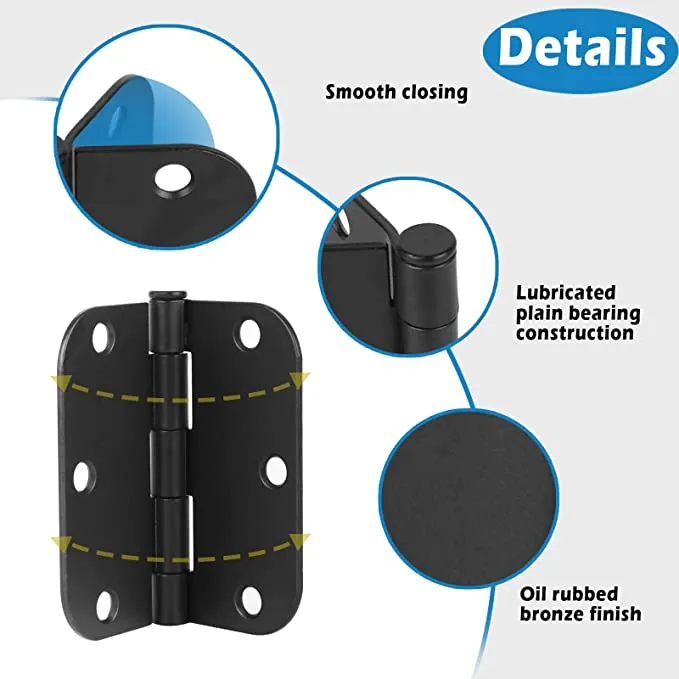
Corner radius affects how the hinge fits into the mortise. To measure hinges for corner radius, use these methods:
Coin Test: Place a quarter against the hinge corner. If it matches, the radius is 5/8". Use a dime for a 1/4" radius.
Ruler Method: Measure from the top of the hinge to the end of the radius curve.
5/8" Radius: The quarter fits the curve of the hinge.
1/4" Radius: The dime fits the curve of the hinge.
Incorrect corner radius leads to misalignment, operational problems, wobbling, and aesthetic inconsistencies. TDC customizable hinge solutions ensure the correct radius for a perfect fit.
Tips for measure hinges accurately
Accurate measurements prevent installation issues and improve door performance. To measure hinges correctly, follow these tips:
Remove the hinge from the door for best accuracy. This step avoids errors caused by paint buildup or uneven surfaces.
Use the 7/11 rule for hinge placement. Position the top hinge 7 inches from the top and the bottom hinge 11 inches from the bottom. This method distributes the door weight evenly, reduces stress, and prevents sagging.
Avoid common mistakes:
Misalignment causes doors to twist or bind.
Incorrect screw specifications lead to inadequate anchoring and corrosion.
Missing or incorrectly sized spacers create friction and uneven gaps.
Skipped pre-drilling or misaligned pilot holes reduce load capacity and damage the door material.
Inadequate load calculation results in improper support for heavy doors.
Hinge measurements influence the selection of TDC hinge material and finish. Heavier doors require robust materials like steel or bronze. Outdoor doors need corrosion-resistant finishes such as stainless steel or satin nickel. Indoor doors allow for decorative finishes like oil-rubbed bronze or polished brass.
TDC customizable hinge solutions match the hinge dimensions, thickness, and corner radius to the door’s needs. Accurate measurements help select the right TDC hinge for residential, commercial, spring, or stainless steel applications.

Choose Door Hinge & Installing Door Hinges
Record and interpret measurements
Accurate measurement recording helps ensure the correct size and fit for every TDC hinge. Users should write down each measurement in a clear table for easy reference:
Measurement Type | Description |
|---|---|
Hinge Height | Measure the height of the hinge leaf. Common sizes include 3-1/2", 4", 4-1/2", 5", and 6". |
Hinge Weight | Note the thickness of the hinge leaf. |
Hinge Backset | Measure from the edge of the hinge leaf to the frame stop. |
Hinge Locations | Record the vertical position of each hinge cutout on the door. |
Strike Height | Measure the vertical size of the frame strike cutout. |
Strike Location | Record the distance from the door rabbet surface to the top of the cutout. |
They should check the number of hinges, their spacing, and ensure enough clearance for hardware. Measurement data should match manufacturer tolerances, usually within ±1/16 inch for linear dimensions.
Select the right door hinge
TDC door hinge selection depends on the door’s application, load, and environment. Users should consider these factors:
Application requirements and movement type
Door weight, size, and direction of load
Space and dimensional constraints
Environmental conditions such as humidity, chemicals, or salt spray
Material and finish for durability
TDC customizable hinge solutions offer standard and custom sizes, unique finishes, and advanced features. TDC’s quality assurance process includes ISO certification, CNC precision, and strict testing for reliability. Fast delivery and expert support help users get the correct size quickly.

Installing door hinges: quick tips
Installing door hinges starts with marking the hinge positions. The 7/11 rule helps: place the top hinge 7 inches from the top and the bottom hinge 11 inches from the bottom. Steps for installation:
Mark and trace hinge outlines on the door.
Cut shallow mortises for a flush fit.
Screw TDC hinges onto the door, starting with the middle screw.
Attach the door to the frame.
Users should avoid over-tightening screws and ensure the hinge sits flush for smooth operation. TDC customizable hinge solutions make installation easier and ensure long-lasting performance.
Measuring and installing TDC hinges requires careful steps. Use this checklist before ordering:
Measure the door and TDC hinge size.
Mark hinge positions accurately.
Check alignment and spacing.
Confirm compatibility and finish.
Double-check all measurements to avoid errors. TDC offers custom solutions and fast delivery for every project.
FAQ
How does someone know if a TDC hinge fits their door?
They should compare the TDC hinge measurements to the existing door hinge. Matching height, width, thickness, and corner radius ensures the TDC hinge fits the door perfectly.
Can a person use TDC hinges for both interior and exterior doors?
Yes. TDC hinges work for both interior and exterior doors. TDC stainless steel hinges resist rust, making them ideal for any door exposed to moisture or outdoor conditions.
What is the best way to measure a door hinge without removing the door?
Place a ruler against the exposed hinge edge on the door. Measure height and width. For thickness, check the gap between the door and frame near the hinge.
Related articles
-
How to attach cabinet door hinges using residential hinges
Attach cabinet doors with residential hinges by measuring, drilling pilot holes, and aligning for a secure, durable fit. Tips for smooth installation included.Mar-25-2026 Learn More >> -
How to Attach Residential Hinges Step by Step
Attach residential hinges with step-by-step instructions for precise alignment, secure fitting, and smooth door operation in any home installation.Mar-25-2026 Learn More >> -
What is overlay on cabinet hinges
Overlay on cabinet door hinges refers to how much the door covers the cabinet frame, impacting style, fit, and the type of door hinges you need.Mar-25-2026 Learn More >>

Contact
Tel: +8613325838282
Add: 12819 Telegraph Road Santa Fe Springs, CA 90670
Follow Us:


