
Offset cabinet door hinges meet today’s accessibility needs
Offset cabinet door hinges meet today’s accessibility needs
Offset cabinet door hinges address modern accessibility challenges in home renovations. They shift the door’s pivot point, which increases the opening width and allows the door to sit flush with the wall. This feature helps maximize space and ensures daily tasks are easier for everyone. Offset cabinet door hinges support ADA standards by making doorways wide enough for wheelchairs and mobility aids.
68% of bathroom renovations now include at least one accessibility feature.
What are offset cabinet door hinges?
How offset hinges work
Offset cabinet door hinges use a unique design to move the pivot point away from the edge of the door frame. This adjustment allows the door to swing open wider than a standard hinge. The door can clear the frame completely, which increases the usable opening.
An offset hinge is designed to move the pivot point of a door out of the door frame, unlike a standard butt hinge where the pivot is at the knuckle and flush with the door edge. This design allows the door to swing open without obstruction, providing additional clearance and enhancing accessibility, especially for those using wheelchairs or walkers.
Difference from standard hinges
Offset cabinet door hinges differ from standard hinges in several important ways. Standard hinges keep the pivot point close to the door edge, which limits how far the door can open. Offset hinges shift the pivot point outward, which increases the opening width.
Hinge Type | Functionality Description |
|---|---|
Offset Butterfly Hinge | Designed for half-inset doors, potentially allowing better clearance than traditional butt hinges. |
Offset hinges allow the pivot point to be positioned away from the doorjamb, resulting in a wider opening when the door is fully opened.
This design increases doorway clearance, facilitating easier access for larger objects and individuals using mobility aids.
Accessibility features
Offset cabinet door hinges offer several features that support accessibility:
Increased clearance for doorways
Ease of access for individuals using wheelchairs or walkers
Allows doors to open wider than traditional hinges
Simplifies movement of large heavy equipment through doorways
Facilitates easier handicapped access in commercial and public buildings
These features help homes and public spaces meet modern building codes and accessibility standards. Offset cabinet door hinges make daily life easier for everyone, especially those with mobility challenges.
Accessibility benefits
Wider door clearance
Offset cabinet door hinges increase the width of a cabinet or doorway opening. They move the pivot point outward, which allows the door to swing completely clear of the frame. This design can add 2 to 3 extra inches of clearance compared to standard hinges.
Offset hinges provide additional clearance, making them ideal for spaces where a couple of extra inches can make a big difference.
Many homes and commercial buildings use these hinges to improve access for everyone.
Studies show that doorways should measure 34 to 36 inches wide for easy wheelchair and walker access. Most doorways fall short of this recommendation, which creates barriers for people with mobility aids. Widening a doorway by construction can cost thousands of dollars. Offset cabinet door hinges offer a simple solution by adding up to 2 inches of clearance, making spaces more accessible without major renovations.
.jpg)
Flush wall opening
Offset cabinet door hinges allow doors to sit flush against the wall when fully open. The hinge design lets the door overlap the cabinet frame slightly, so the door does not block the opening. This feature creates a modern look and maximizes storage space inside the cabinet.
When the door sits flush with the wall, users can reach into the cabinet more easily. This design also helps people move large items in and out without bumping into the door.
Flush wall openings improve safety and convenience for everyone, especially for those using wheelchairs or walkers. The extra space makes daily tasks simpler and reduces the risk of injury.
ADA compliance
The Americans with Disabilities Act (ADA) sets standards for accessible design. These standards require enough swing clearance for doors, so people using mobility aids can move freely. Offset cabinet door hinges help meet these requirements by allowing doors to swing completely clear of the opening.
Offset hinges can expand the opening by 2 to 3 inches, which is often enough to meet ADA guidelines. This extra space makes it easier for wheelchairs and large objects to pass through. Offset cabinet door hinges support universal design, making homes and public spaces more inclusive for everyone.
Installation and retrofit
Easy upgrade for existing cabinets
Homeowners can upgrade most cabinets with offset cabinet door hinges without major changes. Many people choose to retrofit their cabinets instead of replacing them. The process often involves swapping out the old hinges or adding simple hardware. The table below compares common retrofit methods:
Method | Description | Pros | Cons |
|---|---|---|---|
Replace Hinges | Swap existing hinges for soft-close models like Blum's Blumotion or Salice's Silentia. | Some models have on/off switches; may only need to replace some hinges. | Higher cost ($4–$10 each); may not fit existing holes; limited options for uncommon styles. |
Add a Plunger | Install plunger-style pistons that slow the door as it closes. | Works on most doors; easier installation without hinge replacement. | Requires drilling or screwing into the cabinet; may not provide the same effect as new hinges. |
Most people find that replacing hinges gives the best results for accessibility.
Simple installation steps
Manufacturers recommend a few basic steps for installing offset cabinet door hinges:
Measure and mark the hinge placement, usually about 3 inches from the top and bottom of the door.
Drill pilot holes or use a hinge jig to prepare for the screws.
Attach the hinges to the door first, then to the cabinet frame, making sure everything lines up.
Adjust the door position using the hinge screws until the door opens and closes smoothly.
Tip: Using a hinge jig can help keep the holes straight and prevent mistakes.
Safety improvements
Installing offset cabinet door hinges can make cabinets safer for everyone. Wider openings reduce the chance of fingers getting pinched. People using wheelchairs or walkers can move more easily and avoid bumping into doors. These changes help prevent injuries and make the kitchen or bathroom a safer place for all ages.
Design versatility
Compatibility with cabinet styles
Offset cabinet door hinges work with many cabinet designs. Homeowners often choose them for both framed and frameless cabinets. These hinges fit well in kitchens, bathrooms, and laundry rooms. Designers use offset hinges in traditional, modern, and transitional spaces. The hinges blend with shaker, raised panel, and flat-front cabinet doors.
Many manufacturers offer offset hinges in different shapes and sizes. Some hinges have decorative tips or unique profiles. These features help match the hardware to the style of the room. Builders can select hinges that look simple or more detailed, depending on the project. Offset hinges support both new installations and retrofits, making them a flexible choice for renovations.
Options for finishes
Offset cabinet door hinges come in a variety of finishes. Each finish changes the look and durability of the hinge. The table below shows common finish options and their benefits:
Hinge Finish | Aesthetic Contribution | Durability | Best For |
|---|---|---|---|
Satin Nickel | Soft Metallic | Moderate | Transitional / Classic / Modern Farmhouse |
Polished Chrome | Mirror-Like Shine | High but prone to fingerprints | Modern / Luxury / Commercial Spaces |
Antique Brass | Vintage Warm Tone | Moderate | Traditional / Rustic / Retro |
Manufacturers use different methods to create these finishes. PVD (Physical Vapor Deposition) gives hinges a hard surface that resists scratches and fading. This method works well for high-end homes. Electroplated finishes look smooth but may chip if used often. Powder coating makes hinges tough and eco-friendly, which helps in busy kitchens or public spaces.
Tip: Choosing the right finish can help hinges last longer and match the room’s style.
When to choose offset hinges
Aging-in-place projects
Homeowners often plan for the future by making their homes safer and more accessible. Offset cabinet door hinges play a key role in aging-in-place projects. These hinges allow doors to open wider, which helps seniors use walkers or wheelchairs with less effort. Experts recommend offset hinges when a home needs greater door clearance. This feature becomes important for narrow door frames, where every inch counts.
Offset hinges provide strong support, even for thinner cabinet structures. They help prevent accidents by reducing the chance of bumping into doors or struggling with tight spaces.
Many families see long-term savings with this upgrade. Offset hinges do not require major renovations. They cost less than widening a doorway or replacing cabinets. These changes also help reduce the risk of falls, which can lead to expensive medical bills. Homeowners find that offset hinges offer a smart, cost-effective way to improve safety and comfort.
Offset hinges make daily tasks easier for seniors.
They help prevent injuries and lower future healthcare costs.
Simple installation saves money on labor and materials.
Multi-generational homes
Multi-generational homes bring together people of different ages and needs. Offset cabinet door hinges support everyone, from young children to older adults. Wider door openings make it easier to move strollers, wheelchairs, or large items. Families benefit from a home that adapts to changing needs.
Designers choose offset hinges for homes that must serve many generations. These hinges help create a flexible, welcoming space. They also support universal design, which means everyone can use the home safely and comfortably.
Offset cabinet door hinges improve accessibility, safety, and design flexibility in homes. Homeowners value these hinges for their affordability, quick installation, and ability to upgrade traditional doors:
Budget-friendly for renovations
Simple, fast installation
Improved door function for modern needs
Trend Description | Details |
|---|---|
Decorative Finishes | Stylish options like antique brass and matte black are now popular. |
Enhanced User Experience | Soft-close and push-to-open features increase comfort and usability. |
Design & Aesthetics | Minimalist looks and bold accents shape future cabinet hardware trends. |
These hinges offer a smart solution for current and future home projects.
FAQ
How do offset cabinet door hinges improve accessibility?
Offset hinges move the door out of the frame. This design creates a wider opening. People using wheelchairs or walkers can enter and exit more easily.
Can offset hinges fit any cabinet style?
Most offset hinges work with framed and frameless cabinets. Homeowners should check hinge size and overlay before installation.
Tip: Measure the cabinet opening before buying hinges for the best fit.
Are offset cabinet door hinges hard to maintain?
Offset hinges require the same care as standard hinges. Wipe with a damp cloth. Lubricate moving parts once a year for smooth operation.
Related articles
-
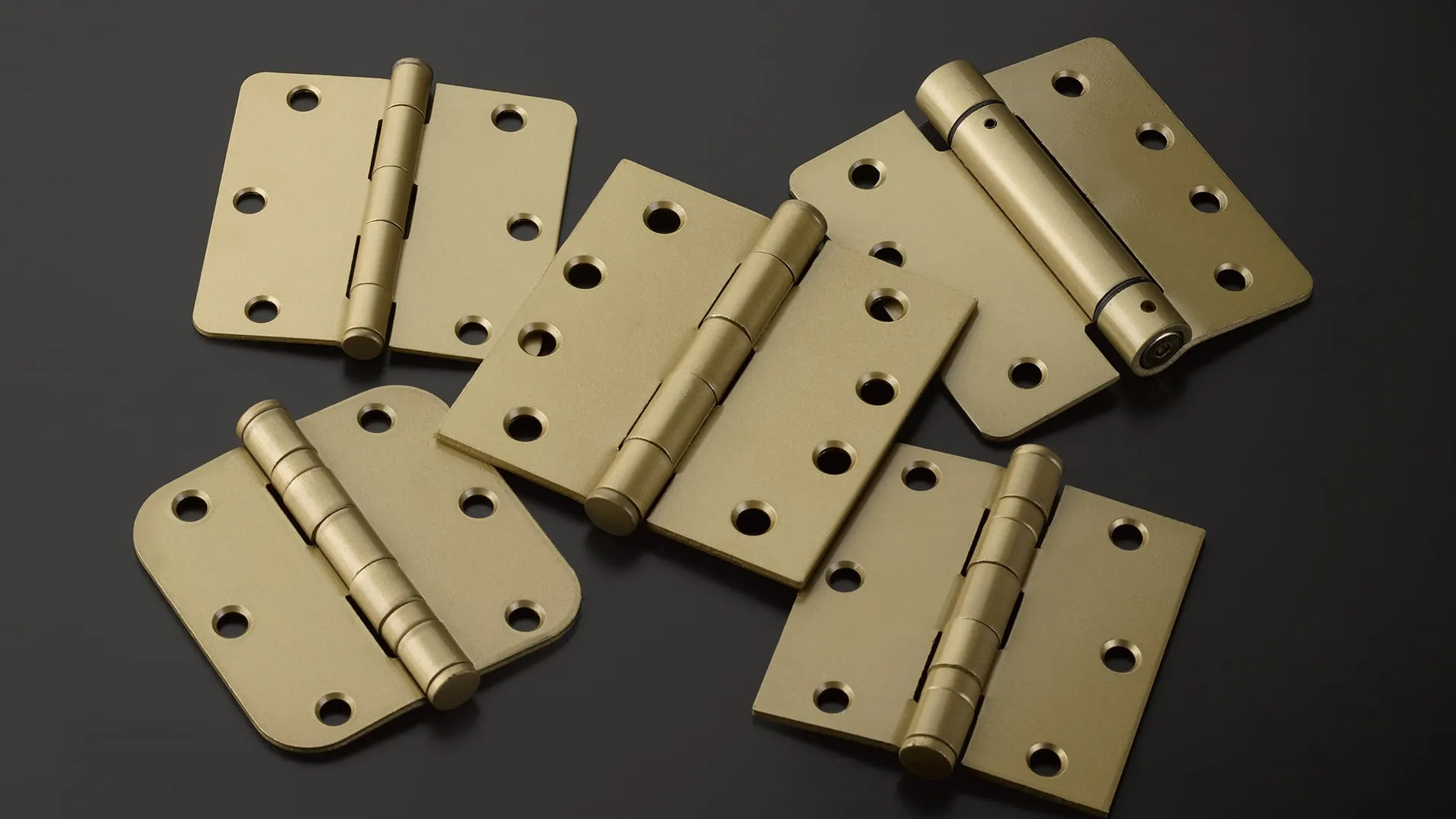
How to Choose Heavy Duty Hinges for Smooth and Quiet Driveway Gates
Choose heavy duty hinges for driveway gates by matching hinge strength, material, and features to your gate’s size for smooth, quiet, and lasting performance.Dec-16-2025 Learn More >> -
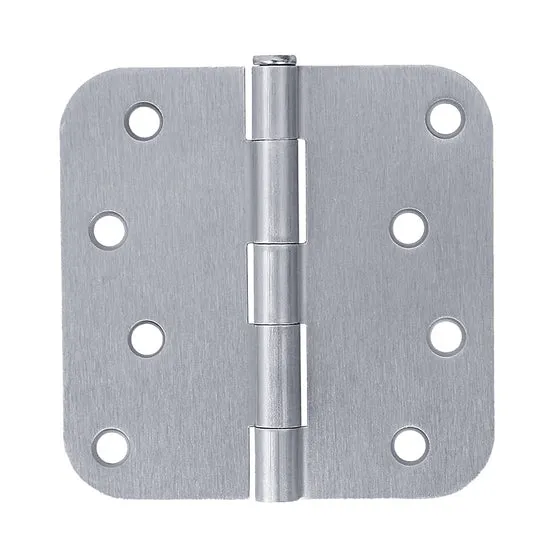
Choosing the Right Heavy Duty Hinges for Your Heavy Doors: Key Features to Consider
Find out how to select heavy duty hinges for heavy doors by considering load rating, material, hinge type, and installation for lasting safety and support.Dec-16-2025 Learn More >> -
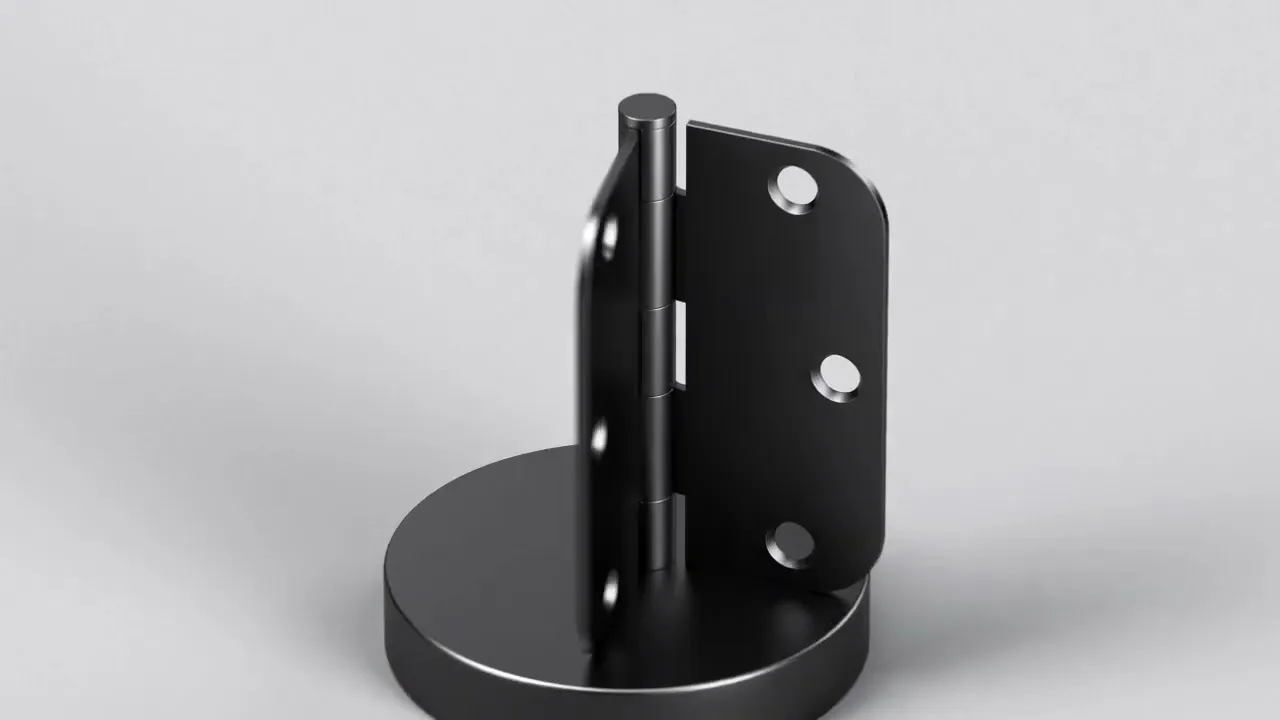
Choosing the Right Interior Door Hinges
Find the best interior door hinges for your space by considering door weight, style, material, and compatibility for smooth, secure operation.Dec-16-2025 Learn More >>

Contact
Tel: +8613325838282
Add: 12819 Telegraph Road Santa Fe Springs, CA 90670
Follow Us:


