What Are Weld On Steel Hinges
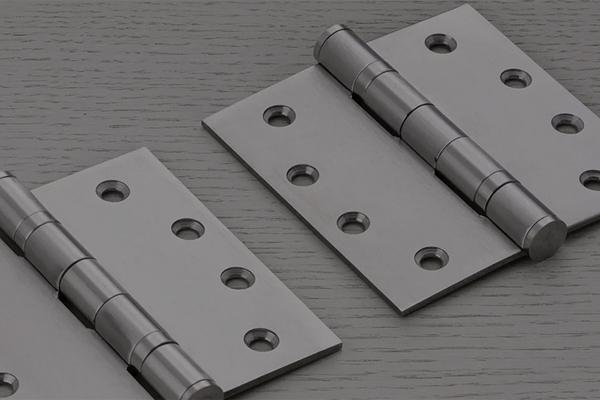
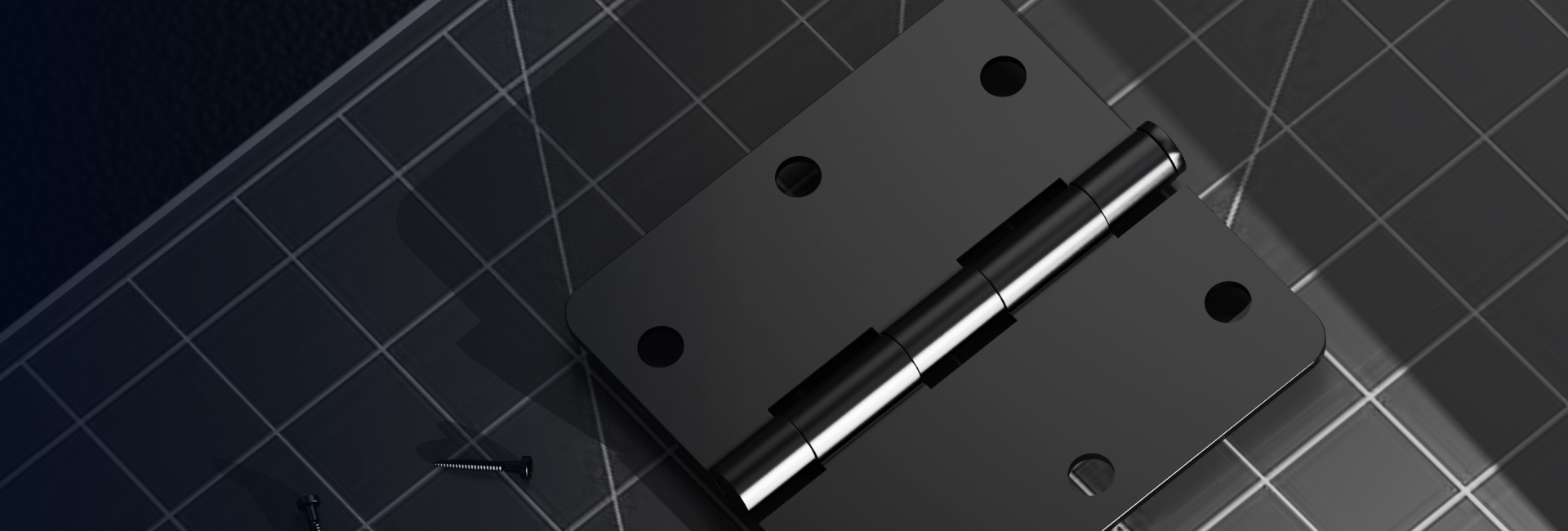
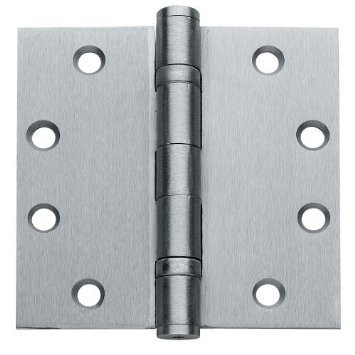
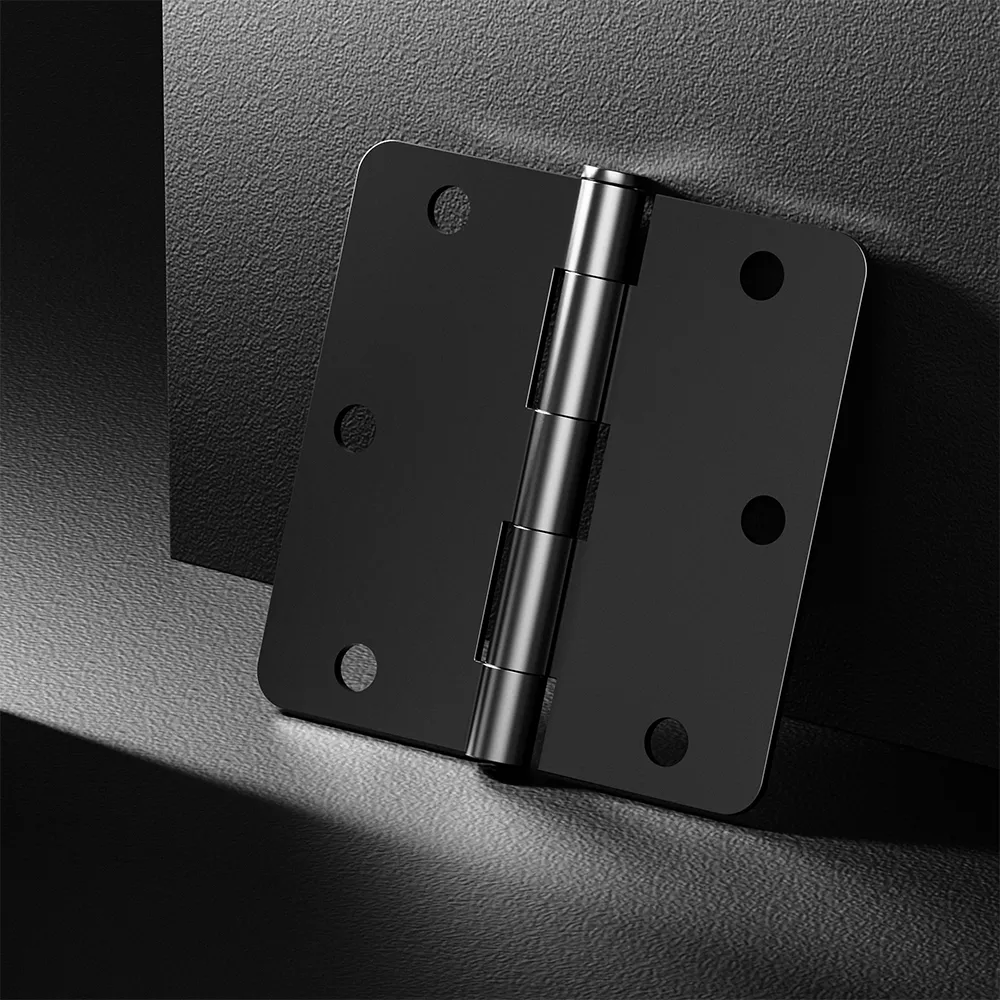
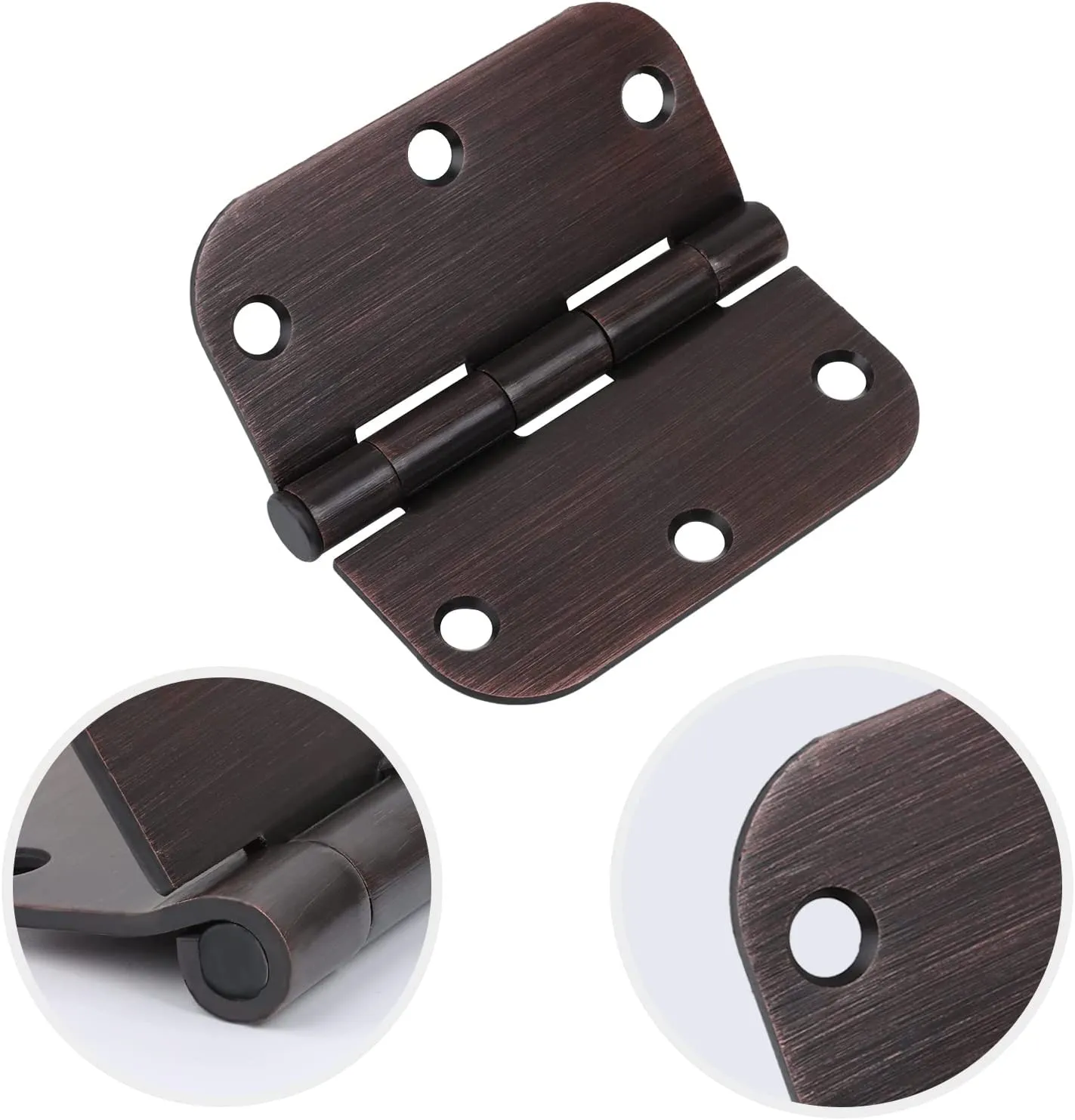
What are weld on steel hinges? Weld on steel hinges, also known as welded hinges or welding hinges, are heavy-duty hardware components designed to be permanently attached to metal surfaces, frames, or structures through a welding process. Unlike standard hinges that are mounted using screws or bolts, these hinges feature a base plate or knuckle that is fused directly to the metal substrate using arc, MIG, TIG, or spot welding techniques. They are engineered to provide a robust, integral, and non-removable pivot point for doors, gates, hatches, and heavy industrial equipment where extreme strength, security, and durability are paramount. The fundamental design typically includes a central pin connecting two interleaf knuckles, with flat mounting plates on each leaf that serve as the welding surface. This method of attachment ensures a direct metal-to-metal bond, eliminating the weaknesses associated with mechanical fasteners, which can loosen under stress or vibration. Weld on hinges are predominantly manufactured from various grades of steel, including carbon steel, stainless steel (such as 304 or 316 for corrosion resistance), and sometimes alloy steels, and they can be supplied in a plain, pre-galvanized, or hot-dip galvanized finish to withstand harsh environmental conditions. Their primary application is in sectors requiring uncompromising structural integrity, such as heavy machinery, industrial ovens, military vehicles, shipping containers, structural steel doors, and high-security perimeter fencing, where hinge failure is not an option. The installation requires skilled welding labor to ensure proper penetration and alignment, making them a permanent fixture intended for the lifetime of the structure they support.
Weld on steel hinges represent a fundamental class of industrial hardware designed for scenarios where failure of a hinged connection is catastrophic. The core principle behind their design is the elimination of intermediary fasteners. In a bolted hinge, the strength is limited by the tensile strength of the bolts and the integrity of the threads in the hosting material. Over time, with cyclical loading and vibration, these bolts can loosen, leading to misalignment, sagging, and eventual failure. A welded hinge, however, creates a monolithic structure. The molten steel from the hinge's mounting plate and the parent material (e.g., a steel door frame or a machine housing) mix and solidify, forming a continuous metallic grain structure across the joint. This fusion weld is often stronger than the base metals themselves. The process of selecting and installing weld-on hinges is critical. For carbon steel hinges, the welding process is relatively straightforward with common arc welding methods, but it requires careful preparation, including cleaning the surfaces of rust, paint, and oils to prevent contamination and ensure a sound weld. For stainless steel hinges, TIG welding is often preferred for its precision and clean results, especially when a corrosion-resistant finish must be maintained, necessitating the use of matching stainless filler rods. The applications are vast and demanding. In the shipping and logistics industry, every standard ISO shipping container utilizes heavy-duty weld-on steel hinges for its doors, capable of withstanding constant slamming, saltwater exposure, and the immense stresses of stacking during ocean transit. Industrial furnace and oven doors rely on them to maintain a tight seal under high temperatures, where other fastening methods would degrade. In the construction of armored vehicles and bank vaults, weld-on hinges are not just about load-bearing but also about security; they cannot be easily removed from the outside, preventing unauthorized access. Data from industrial suppliers and fabricators indicates that the global market for such heavy-duty hinges is consistently strong, driven by infrastructure development, manufacturing expansion, and the need for secure storage solutions. Their use is a testament to an engineering requirement where the connection must be as permanent and robust as the materials it joins, making them an indispensable component in heavy industry and critical infrastructure.
Advantages Of Weld On Steel Hinges

 40% Amazon Market Share
 Door Hinges Brand on Amazon
 Products Sold Worldwide

.jpg)




User Comments
Service Experience Sharing from Real Customers
Michael Rodriguez
Metal FabricatorThese weld on steel hinges are incredibly durable and hold up perfectly under heavy use. The precision in manufacturing is evident, and they welded on smoothly without any issues. Highly recommended for any structural application!
Sarah Chen
Industrial DesignerExcellent quality hinges! They provided exactly the robust solution we needed for our custom steel gates. The clean finish and consistent performance make them worth every penny. Will definitely order again for future projects.
James Wilson
Welding TechnicianVery solid weld on hinges that integrate seamlessly into steel structures. They distribute weight evenly and show no signs of wear after months of use. Minor shipping delay, but the product quality more than makes up for it.
Emily Thompson
Project ManagerPerfect for heavy-duty industrial applications! We used these hinges on multiple access panels and they've performed flawlessly. The straightforward weld-on design saved us significant installation time compared to other options.