Heavy Duty Lift Up Hinges: The Ultimate Guide for Industrial and Commercial Applications
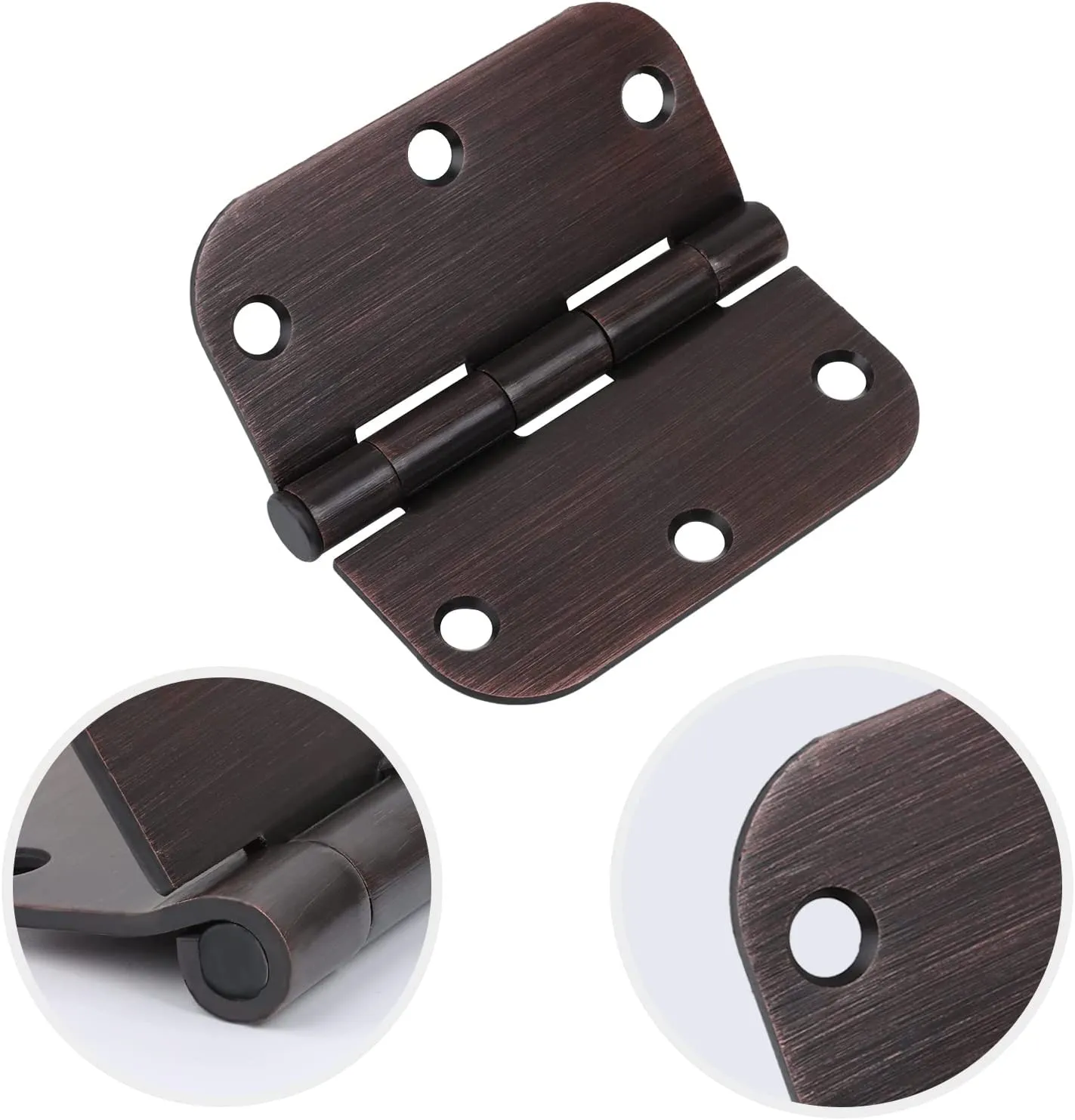
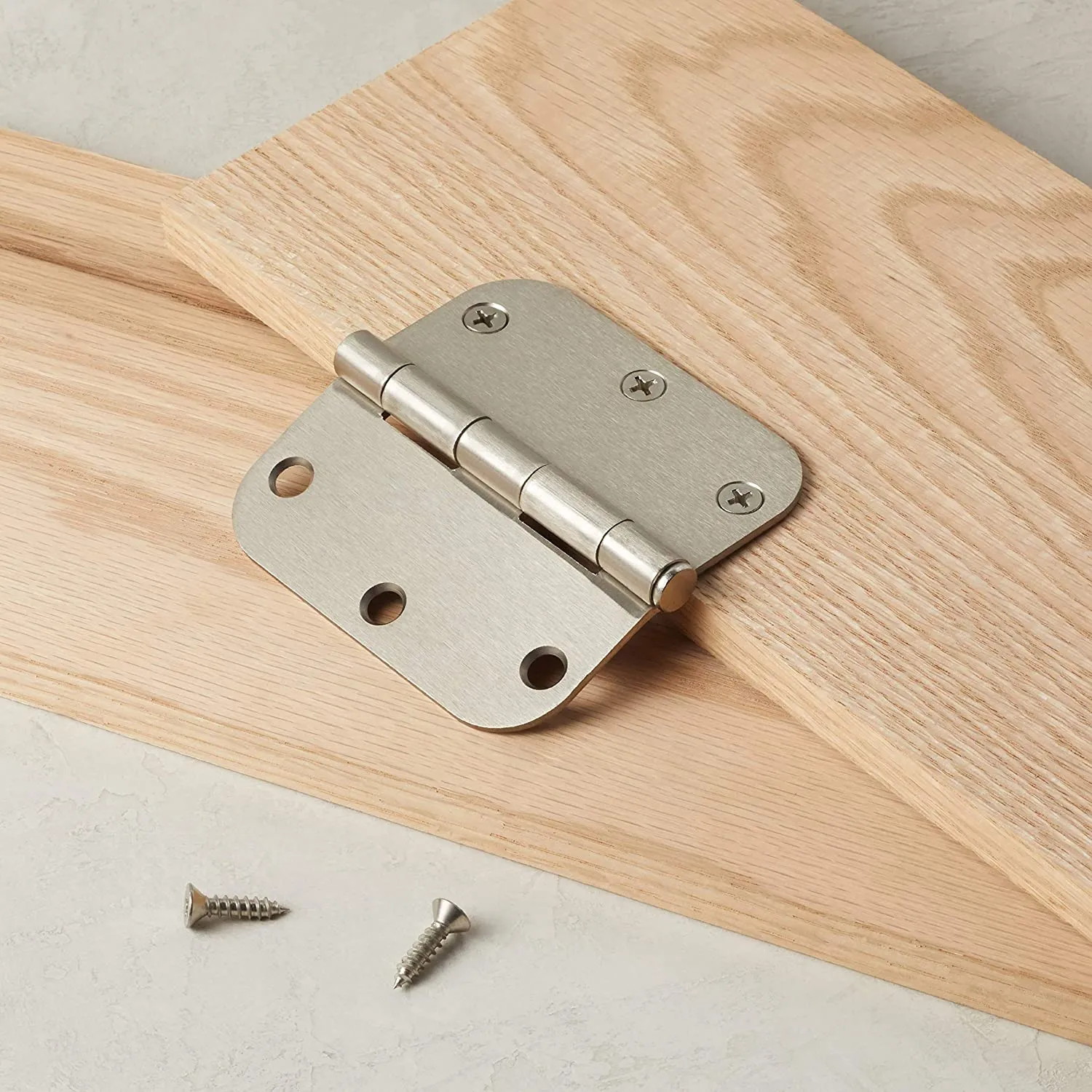
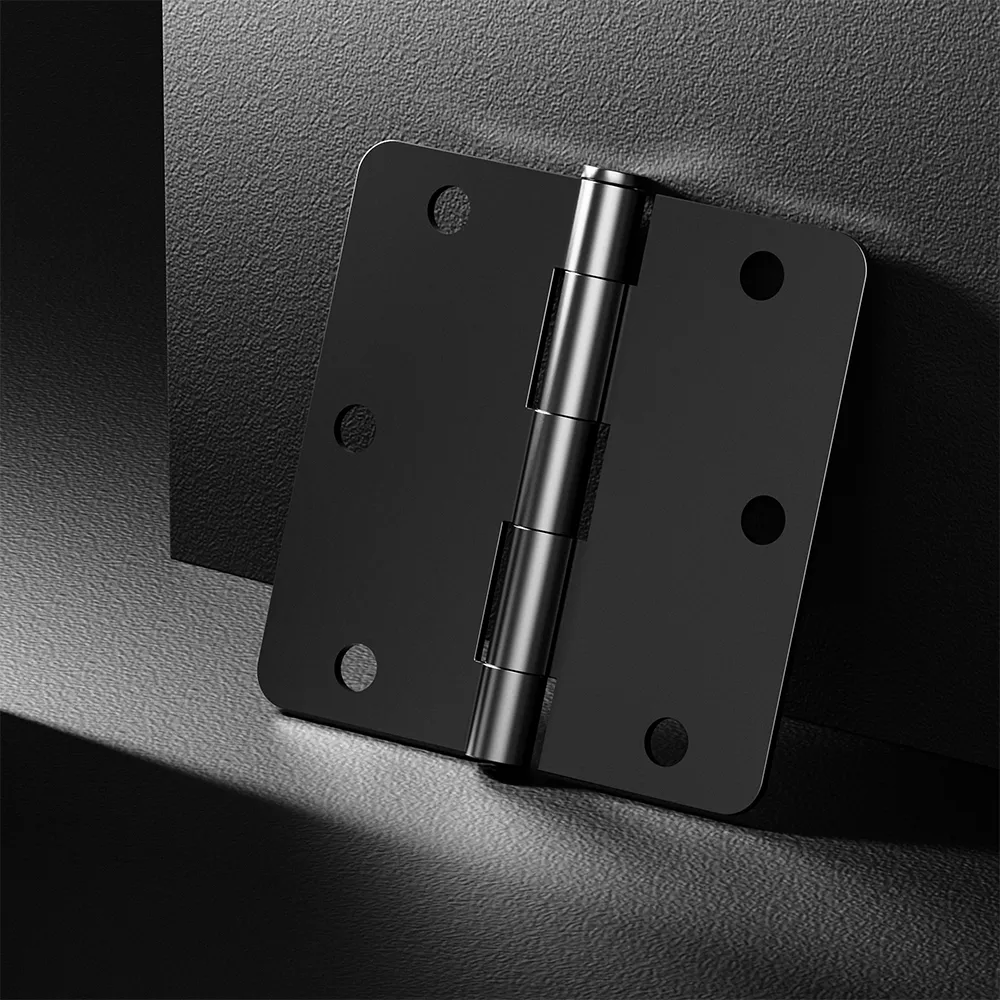
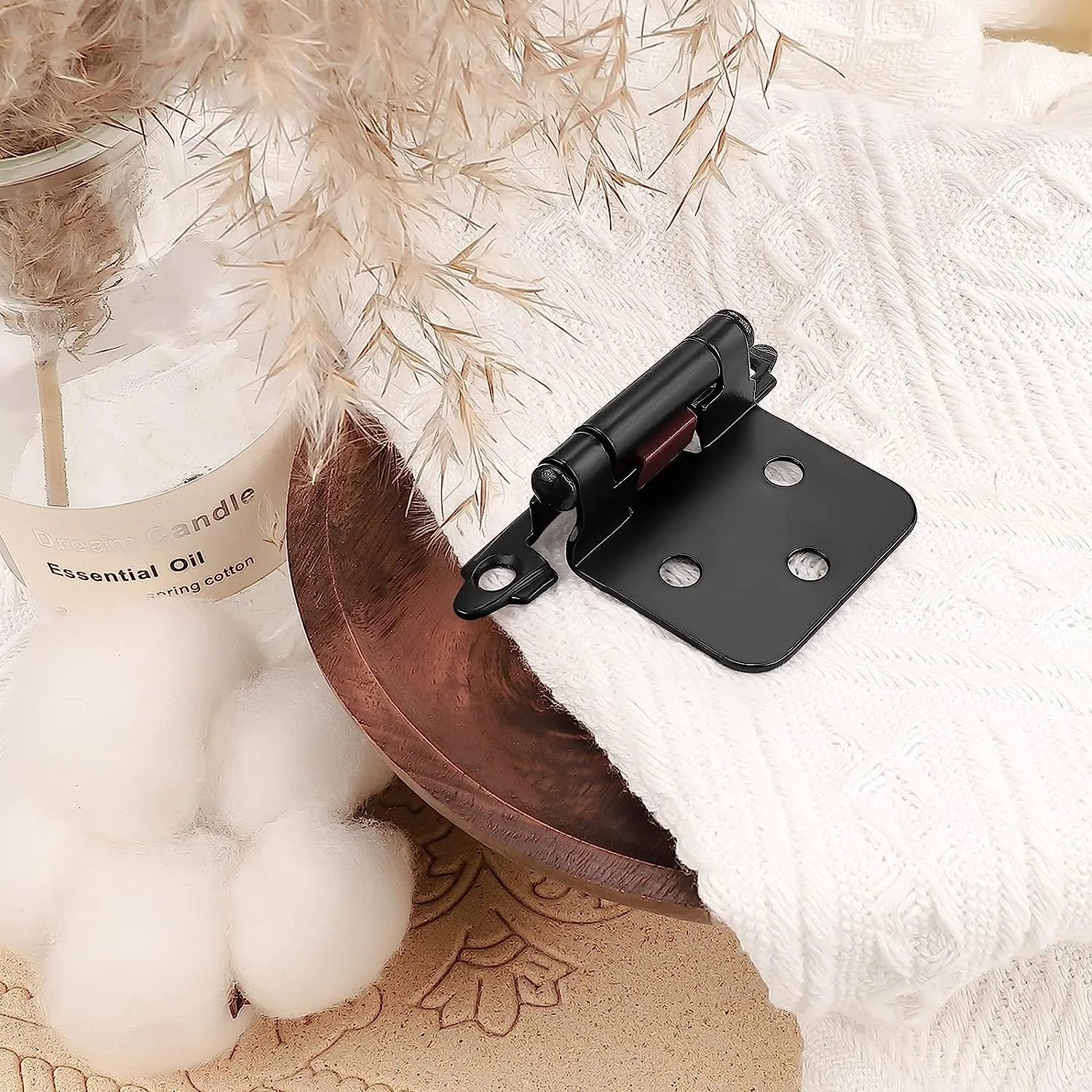
What is Heavy Duty Lift Up HingesHeavy duty lift up hinges, also known as "stay-up" or "self-lifting" hinges, are specialized hardware components engineered to support and effortlessly lift heavy doors, lids, or panels. Unlike standard hinges that simply allow for rotation, these hinges incorporate a sophisticated mechanism—typically a spring or a cam-and-piston system—that counteracts the force of gravity. This design provides an assisted lifting motion, allowing a heavy horizontal surface (like a commercial appliance door, industrial machine cover, or heavy furniture lid) to be raised and remain securely in an open position without external support. The core principle involves storing energy when the door is closed and releasing it to aid in the opening action. This makes them fundamentally different from conventional hinges and essential for applications where safety, convenience, and heavy-load management are critical. They are defined by their high load-bearing capacity, often ranging from 20 kg (44 lbs) to over 150 kg (330 lbs) per pair, and are constructed from robust materials like hardened steel, stainless steel, or zinc alloys to withstand rigorous use.
The mechanism of a heavy duty lift up hinge is a marvel of practical engineering, designed to solve the specific problem of managing heavy, horizontal-opening elements. When a user initiates the opening of a door fitted with these hinges, the internal mechanism, often a high-tensile spring or an oil-damped cam system, is activated. This mechanism effectively counterbalances the significant weight of the door, making it feel surprisingly light and easy to lift. Once the door reaches a specific open angle, usually between 60 and 90 degrees, a locking or holding feature within the hinge engages. This feature is crucial as it prevents the door from accidentally slamming shut due to its own weight, a major safety hazard. The "stay-up" functionality ensures the door remains stationary in the fully open position, providing clear and unobstructed access to the interior compartment. This is particularly vital in commercial kitchens for oven doors, in industrial settings for machine maintenance hatches, and in workshops for heavy workbench lids. The closing action is also controlled; as the user applies a slight downward force, the stored energy in the mechanism is overcome, allowing the door to close smoothly and securely. This entire cycle of assisted lifting, positive stay-open locking, and controlled closing is what sets heavy duty lift up hinges apart, transforming a potentially difficult and dangerous task into a safe, one-handed operation. Their design prioritizes user ergonomics, reducing strain and fatigue while improving operational efficiency in high-demand environments.
Advantages of Heavy Duty Lift Up Hinges
The primary advantage of heavy duty lift up hinges is their unparalleled ability to enhance safety. In environments like commercial bakeries or manufacturing plants, a heavy oven or machine door slamming shut can cause severe injury or damage to equipment. The integrated stay-open mechanism eliminates this risk entirely, ensuring doors remain safely open during operation or maintenance. Secondly, they offer exceptional convenience and ergonomic benefits. By counterbalancing the door's weight, they require minimal physical effort to operate. This reduces user fatigue and strain, which is a significant factor in workplaces where doors are opened and closed frequently throughout the day. A third major advantage is the protection they offer to the door and the cabinet structure itself. The controlled, damped motion prevents violent slamming and jarring impacts, which over time can loosen fasteners, crack panels, and damage the door's frame. This leads to greater longevity for both the hinge and the application it is installed on, reducing maintenance costs and downtime. Furthermore, these hinges contribute to a more professional and high-quality user experience. The smooth, effortless motion conveys a sense of durability and thoughtful design, which is a valued feature in commercial appliances, high-end furniture, and luxury automotive interiors. Finally, their robust construction ensures reliability under constant, heavy-use conditions. Made from materials resistant to corrosion, high temperatures, and wear, they are built to perform consistently in demanding settings, from industrial warehouses to marine applications, providing long-term value and operational reliability.
The ergonomic and safety benefits of heavy duty lift up hinges are backed by their widespread adoption across numerous industries, demonstrating their tangible advantages. In the commercial food service sector, for example, large pizza ovens, bakery deck ovens, and commercial dishwashers universally utilize these hinges. The doors on these appliances can weigh between 30 kg and 70 kg (66-154 lbs). Without a lift-up mechanism, operating such a door would be a two-handed, strenuous task that poses a constant safety threat. The hinge makes it a safe, one-handed operation, directly impacting kitchen workflow efficiency and staff safety. Data from appliance manufacturers like Middleby Corporation or Rational AG highlight the use of these hinges as a key feature for operator safety and ease of cleaning. In industrial machinery, the advantages are equally clear. CNC machine enclosures, generator access panels, and control cabinet doors use heavy-duty lift-up hinges to provide maintenance engineers with safe, hands-free access. This is critical for adhering to workplace safety regulations (like OSHA guidelines in the US) which mandate the securing of heavy components in an open position during maintenance. The financial advantage is seen in reduced warranty claims and repair costs for machinery manufacturers, as the hinges prevent structural damage caused by door slamming. In furniture and architectural applications, such as hidden beds or heavy storage chests, these hinges prevent accidental closure, protecting users from pinched fingers and head injuries. The durability advantage is quantified by their load ratings and cycle test data; reputable hinge manufacturers like Sugatsune, SOSS Invisible Hinges, and Guden test their heavy-duty lift-up models for tens of thousands of cycles under full load, ensuring they withstand years of daily use without failure. This combination of enhanced safety, improved ergonomics, and proven durability makes them an indispensable component in any application involving heavy, horizontally-opening panels.

 40% Amazon Market Share
 Door Hinges Brand on Amazon
 Products Sold Worldwide
.jpg)




User Comments
Service Experience Sharing from Real Customers
Robert Johnson
Cabinet MakerThese heavy duty lift up hinges are exactly what we needed for our custom kitchen cabinets. They support the weight perfectly and the smooth action is impressive. Will definitely order again!
Sarah Chen
Furniture DesignerOutstanding quality! The heavy duty lift up hinges have transformed our premium furniture pieces. They handle heavy doors with ease and the installation was straightforward. Highly recommended for professional use.
Michael Rodriguez
Construction SupervisorSolid performance from these heavy duty hinges. They've held up well on our commercial cabinet projects under daily heavy use. The only minor issue was some needed adjustment during installation, but overall excellent value.
Jennifer Williams
Shop FitterAbsolutely brilliant heavy duty lift up hinges! We've used them in multiple retail fit-outs and they perform flawlessly. The durability is exceptional and customers love the smooth operation. Perfect for high-traffic environments.