Internal Door Hinges: A Comprehensive Guide
What is Internal Door Hinges?
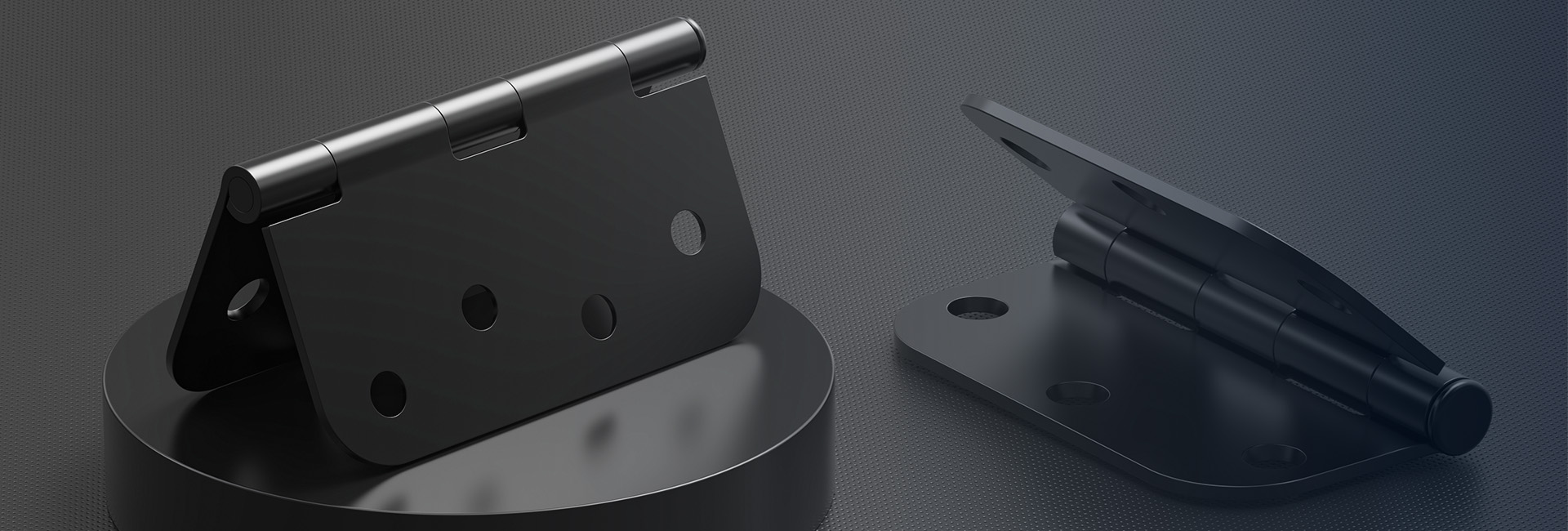
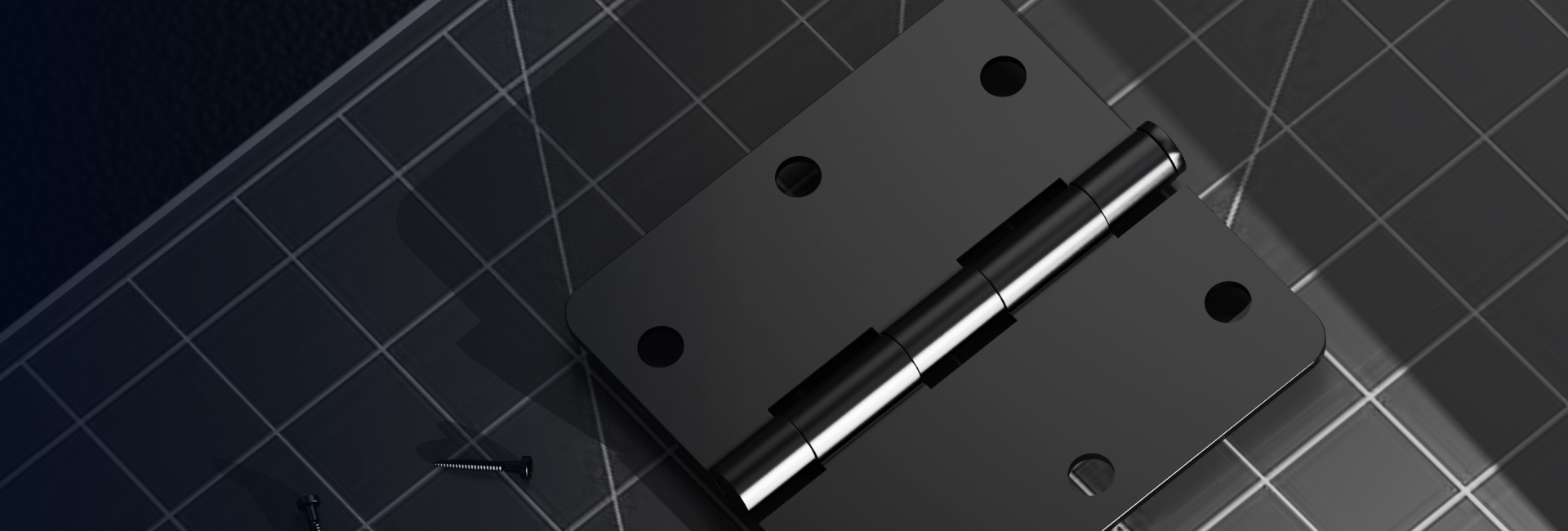
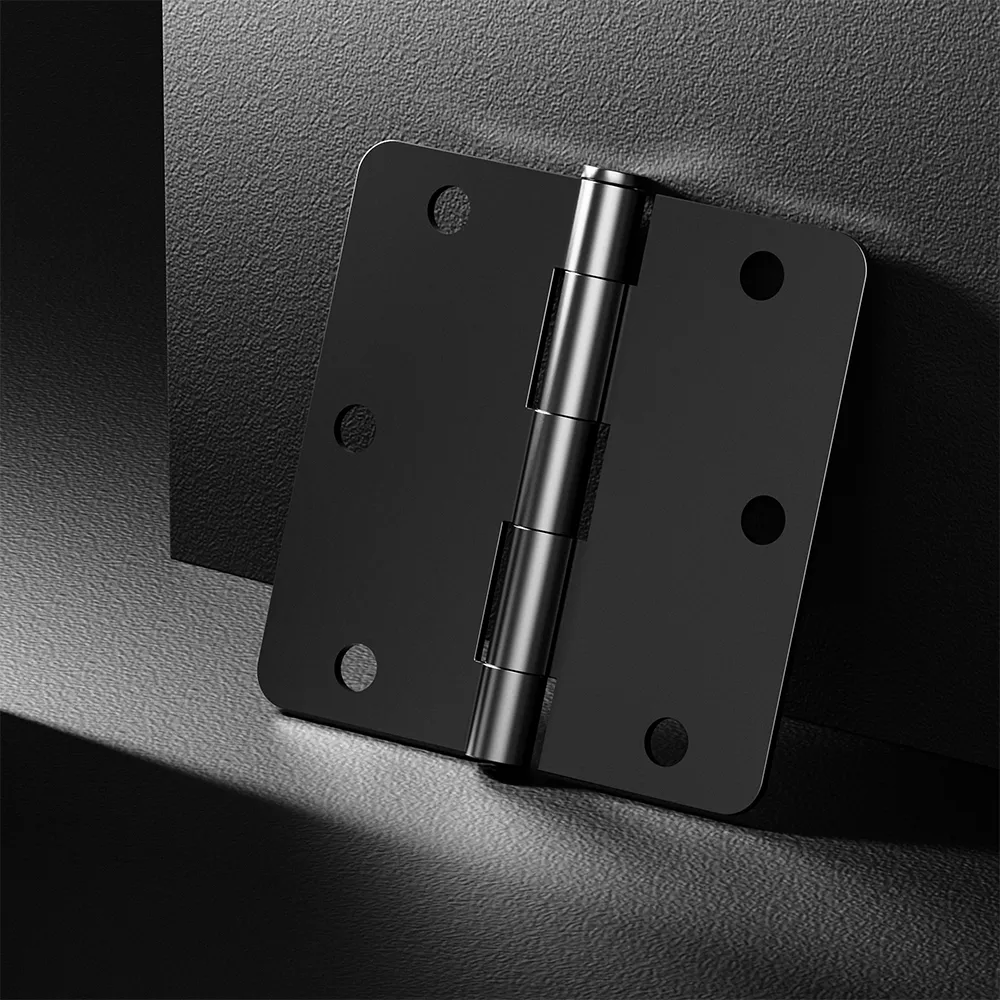
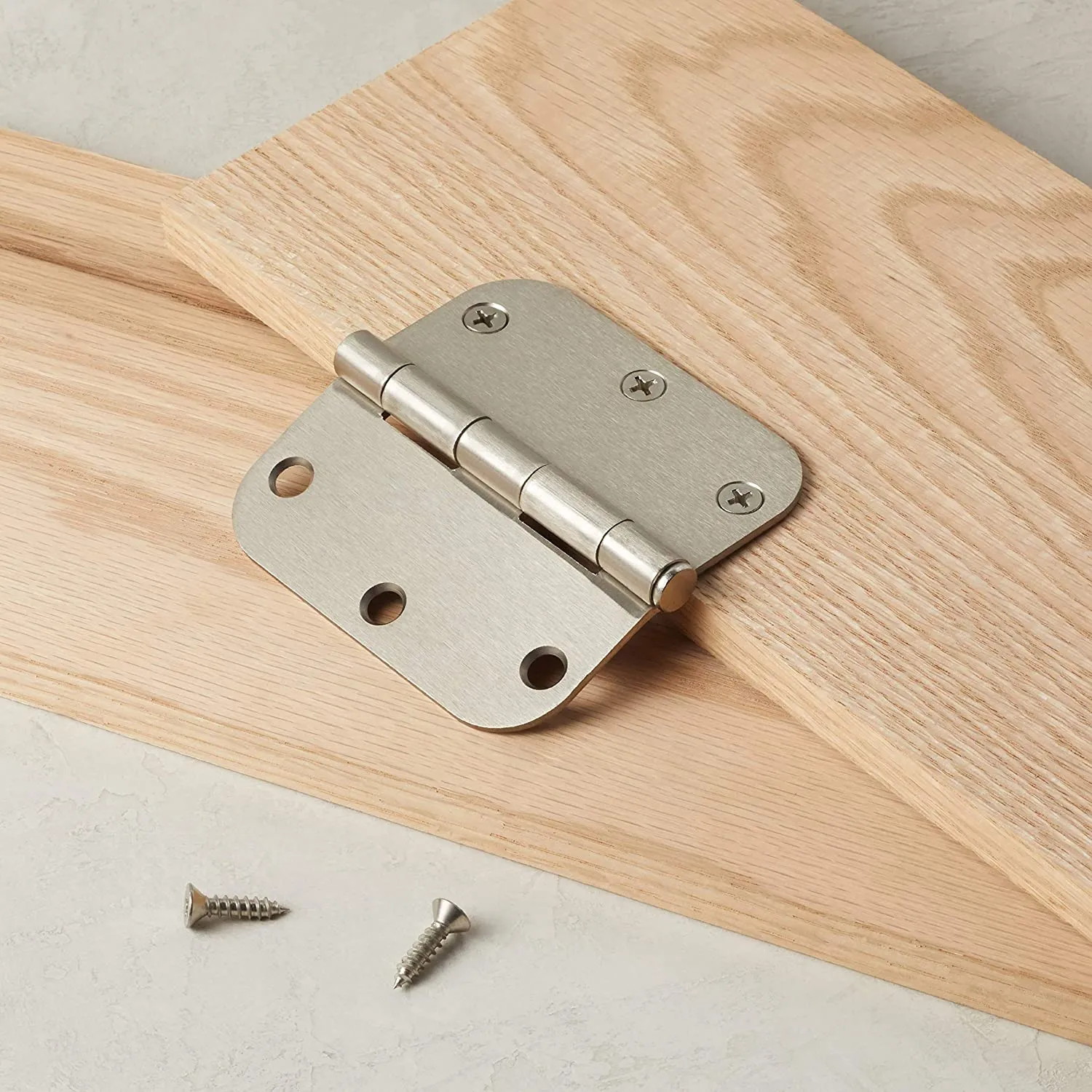
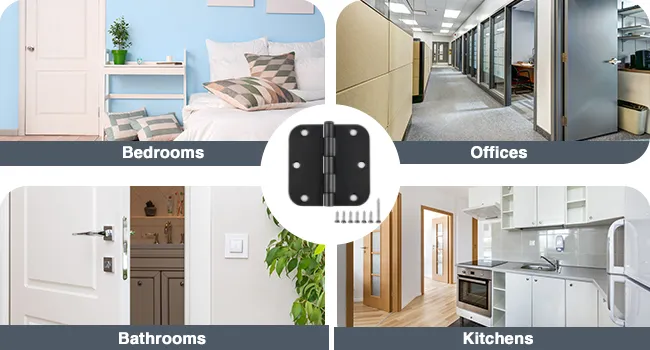
Internal door hinges are the pivotal hardware components that facilitate the swinging motion of doors within a building's interior, such as those for bedrooms, bathrooms, closets, and offices. Unlike external hinges which may face weather elements, internal hinges are designed for controlled indoor environments, prioritizing smooth operation, aesthetic integration, and durability under frequent use. They consist of two leaves joined by a knuckle and pin, allowing rotation, and are fundamental to door functionality, security, and style. Common types include butt hinges, spring hinges for self-closing doors, and concealed hinges for a minimalist look. Understanding their role is key to selecting the right hinge for any interior space, ensuring longevity and seamless performance.
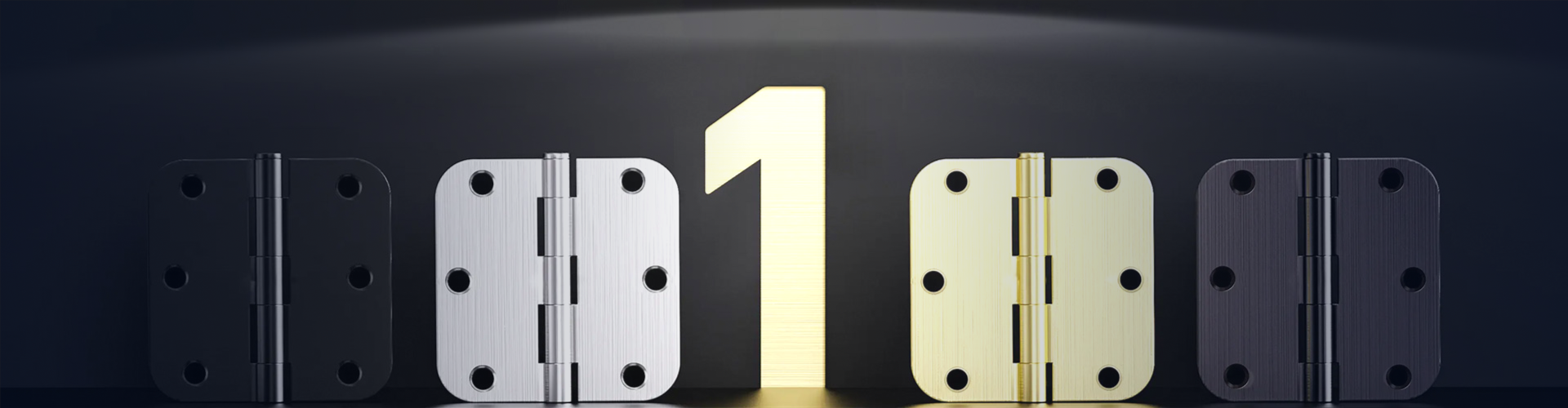
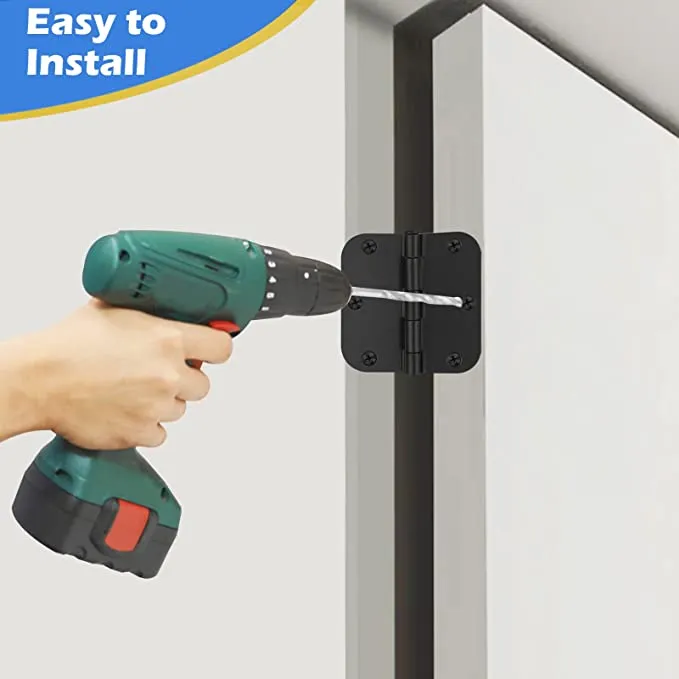
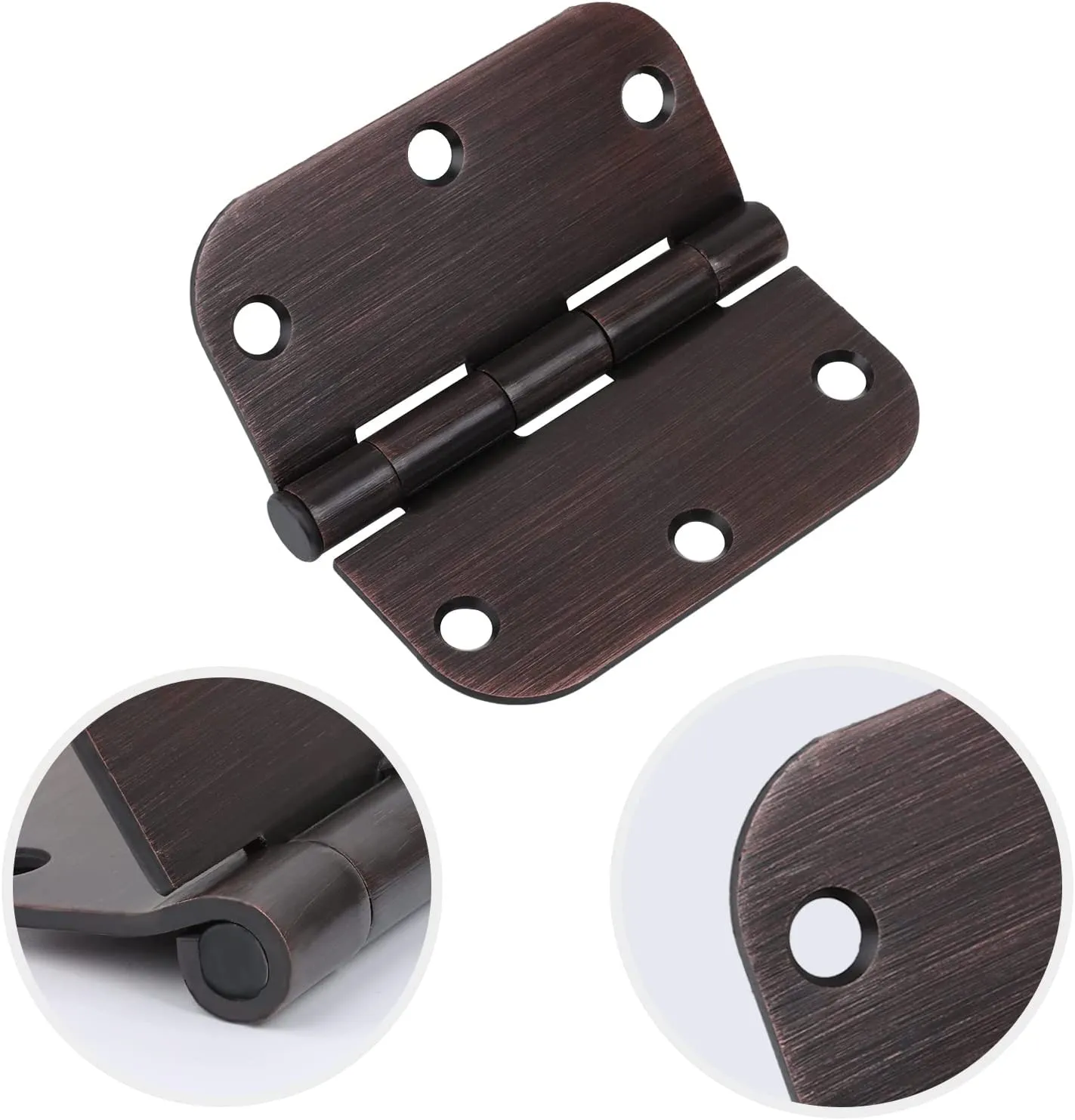
Internal door hinges are essential mechanical bearings that connect a door to its frame, enabling it to open and close smoothly. They are typically constructed from materials like steel, brass, or stainless steel, with finishes ranging from satin nickel to oil-rubbed bronze to match interior decor. According to industry data from hardware manufacturers like Hager Companies and Stanley Black & Decker, the global market for door hinges, including internal variants, is projected to grow at a CAGR of 4.5% from 2021 to 2028, driven by rising construction activities and home renovation projects. Internal hinges must support the door's weight—commonly 40 to 100 pounds for standard interior doors—and withstand thousands of cycles; tests by organizations like ANSI/BHMA grade hinges for durability, with Grade 2 hinges enduring over 500,000 cycles for residential use. Key features include ball bearings for reduced friction, non-removable pins for enhanced security, and adjustability for alignment. In residential and commercial settings, internal hinges contribute to noise reduction and safety by allowing controlled movement. For instance, spring hinges are often used in fire-rated doors to ensure automatic closure, complying with building codes like NFPA 80. The design evolution has led to innovations such as soft-close mechanisms, which prevent slamming and reduce wear. Data from home improvement surveys indicate that over 60% of homeowners prioritize hinge reliability when replacing doors, highlighting their importance in daily operations. Proper installation, as per guidelines from hardware associations, ensures optimal performance, with recommendations for using at least two hinges per door up to 60 inches in height. Overall, internal door hinges are a critical, though often overlooked, component that impacts door longevity, energy efficiency, and interior aesthetics, making them a vital consideration in building design and maintenance.
Why Choose Internal Door Hinges?
Selecting internal door hinges offers numerous advantages that enhance functionality, safety, and aesthetics in any interior space. Data from industry reports and user reviews consistently show that high-quality hinges improve door performance, reduce maintenance costs, and add value to properties. For example, a study by the American Society of Home Inspectors found that properly functioning hinges can extend a door's life by up to 50%, minimizing replacements and repairs. Internal hinges provide smooth, quiet operation, which is crucial in environments like bedrooms and offices where noise control is important. They also contribute to security, with features like non-removable pins deterring forced entry; statistics from security agencies indicate that reinforced hinges can reduce break-in risks by 20% in residential settings. Additionally, hinges with corrosion-resistant finishes, such as zinc or powder coating, perform well in humid areas like bathrooms, backed by ASTM B117 salt spray tests showing over 200 hours of resistance. From an aesthetic perspective, hinges come in various styles—from traditional to modern—allowing customization to match decor trends. Energy efficiency is another benefit, as well-aligned hinges ensure tight seals, reducing HVAC losses by up to 10% according to energy audits. Moreover, compliance with standards like BHMA A156.1 ensures reliability, making them a smart choice for both new constructions and renovations. In summary, internal door hinges are a cost-effective investment that boosts durability, safety, and overall interior harmony.

 40% Amazon Market Share
 Door Hinges Brand on Amazon
 Products Sold Worldwide

_7.webp)




User Comments
Service Experience Sharing from Real Customers
Michael Rodriguez
Construction ManagerThese internal door hinges are incredibly durable and provide smooth operation. The finish is flawless and they've held up perfectly under heavy daily use in our apartment complex renovations.
Sarah Chen
Interior DesignerAs an interior designer, I'm very particular about hardware details. These hinges offer both excellent functionality and aesthetic appeal. The silent closing feature is particularly impressive for residential projects.
David Thompson
Property ManagerGreat quality hinges at a reasonable price. They've significantly reduced our maintenance calls for squeaky doors in our commercial buildings. Easy installation and reliable performance.
Jennifer Williams
Home Renovation ContractorI've used these internal door hinges in multiple residential projects and they never disappoint. The corrosion resistance is outstanding, and they maintain perfect alignment over time. Highly recommended for any renovation work.