Automatic Self Closing Door Hinges: The Ultimate Guide to Modern Door Control and Safety
What is Automatic Self Closing Door Hinges?
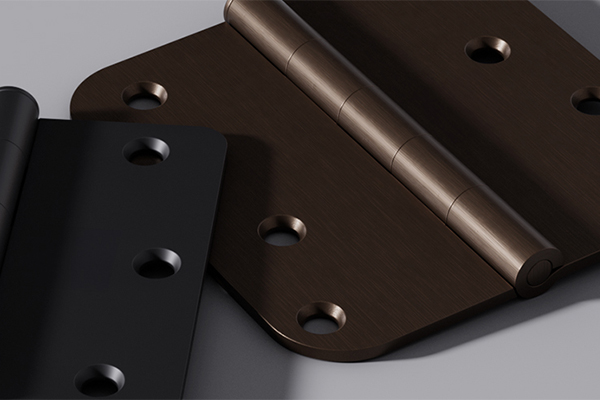
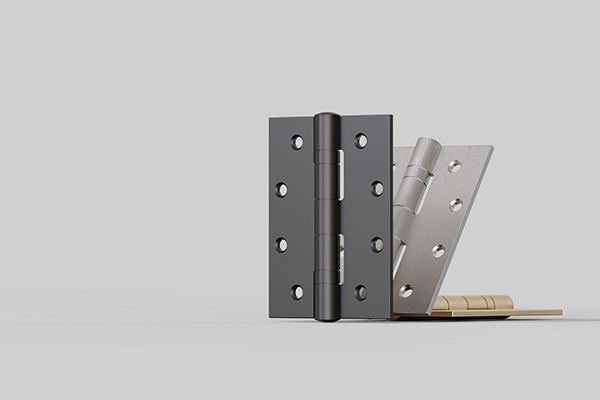
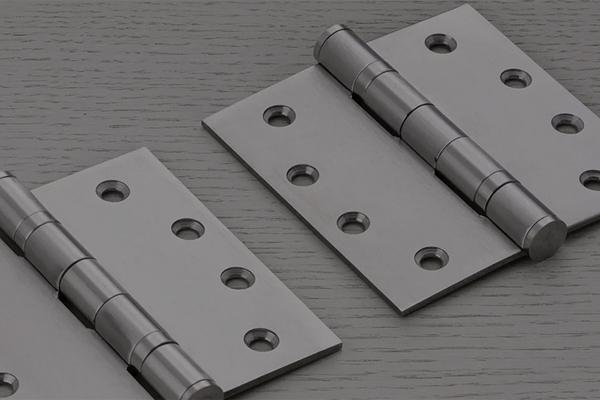
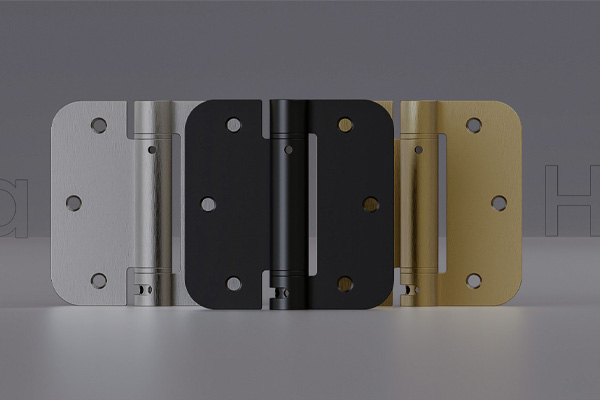
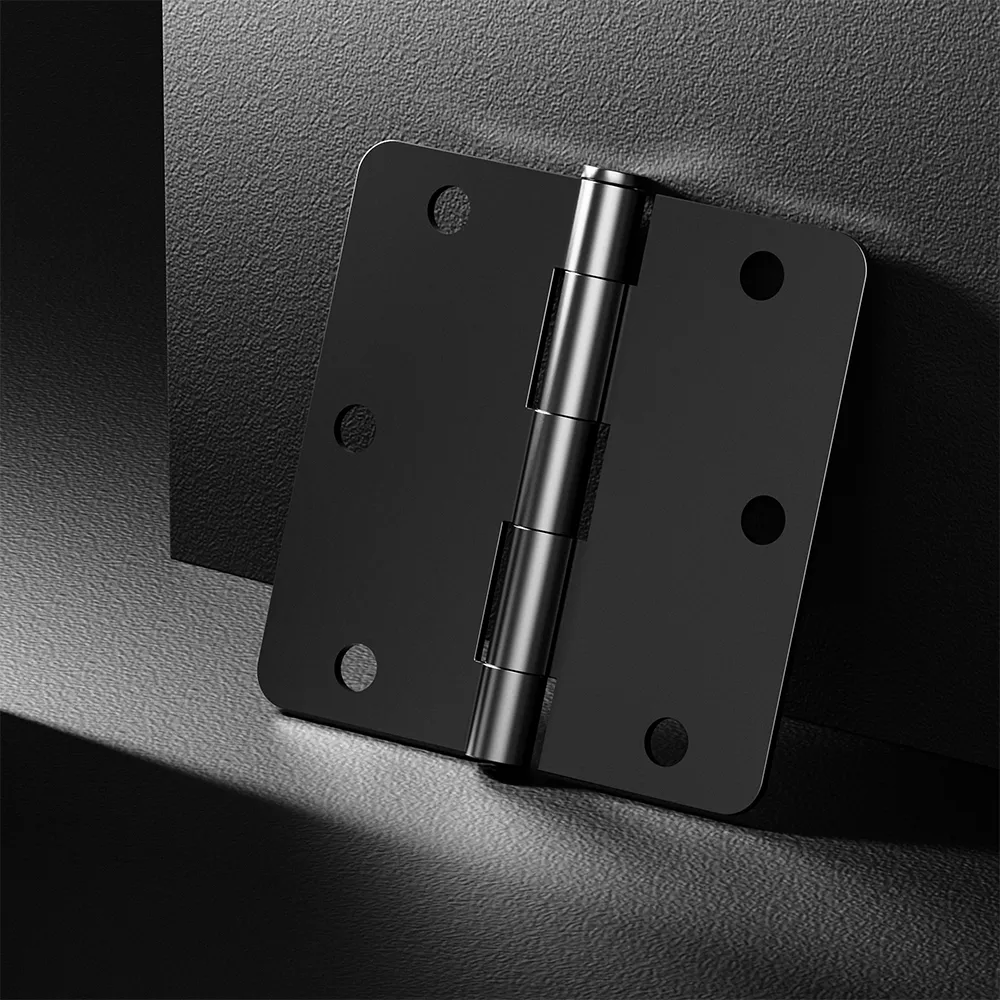
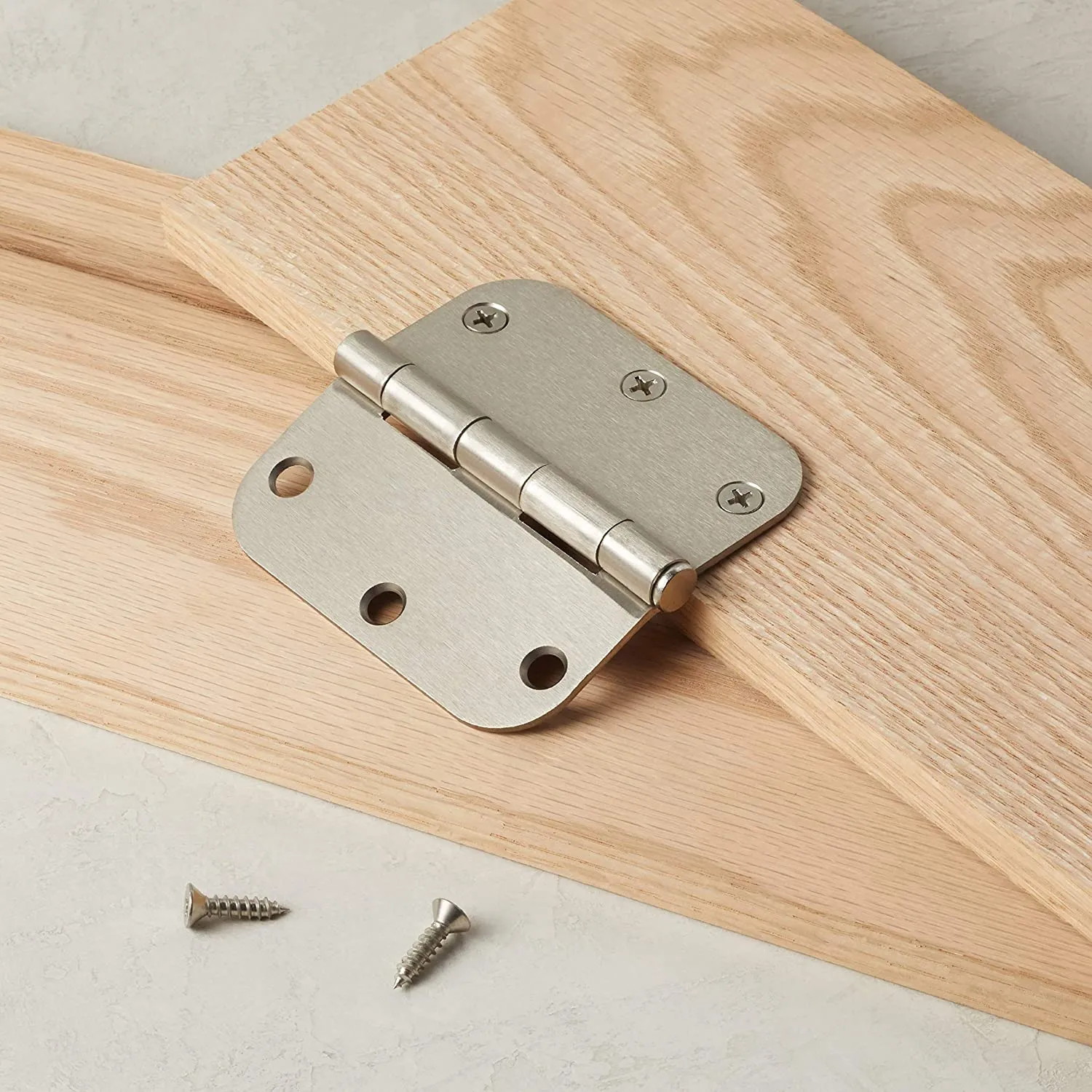
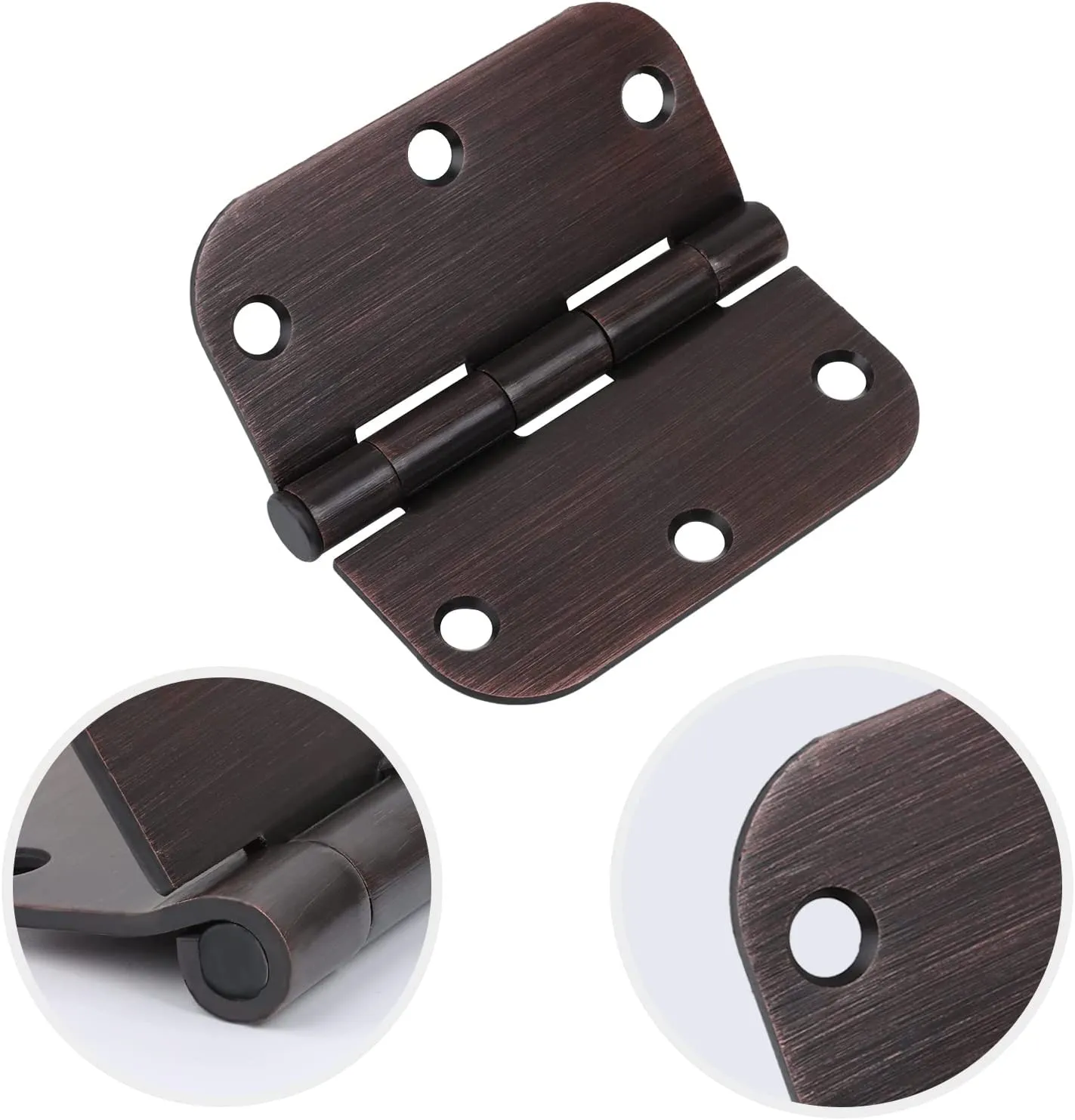
Automatic self-closing door hinges are specialized hardware devices designed to automatically close a door after it has been opened, without the need for manual intervention. Unlike standard hinges that simply allow a door to swing open and shut, these innovative systems incorporate a mechanism, typically a spring or hydraulic fluid, that stores energy when the door is opened and releases it to gently and reliably return the door to its closed position. This technology is integral to modern building safety and convenience, ensuring that doors do not remain inadvertently open. The core principle involves a controlled closing action, which can often be adjusted for speed and force to suit specific door weights and usage requirements. These hinges are a self-contained solution, often fitting into the same footprint as standard hinges, making them a versatile upgrade for both new constructions and retrofits in residential, commercial, and industrial settings. They are a fundamental component in passive fire protection systems and accessibility compliance, providing a seamless and automated door operation that enhances overall building management.
Automatic self-closing door hinges operate on mechanical principles, primarily using a spring mechanism housed within the hinge itself. When the door is opened, the spring is compressed or wound, storing potential energy. Once the user releases the door, this stored energy is converted back to kinetic energy, powering the hinge to rotate and pull the door back to its closed latch position. More advanced models may use hydraulic or pneumatic cylinders for a smoother, more dampened motion, which is crucial for preventing door slam and reducing wear and tear on the door frame and latch. The closing speed and force are often adjustable via a set screw, allowing for precise calibration based on the door's size, weight, and the specific environmental conditions, such as air pressure differences. According to industry standards from organizations like the Builders Hardware Manufacturers Association (BHMA), these hinges are graded for performance, including cycles tested, with high-quality models undergoing over 10 million open-close cycles. They are manufactured from durable materials like heavy-gauge steel, brass, or stainless steel to withstand constant use. Their application is widespread in fire-rated door assemblies, where building codes like the International Building Code (IBC) and NFPA 80 mandate their use to compartmentalize smoke and fire, effectively slowing the spread of flames and toxic gases during an emergency. Beyond safety, they are essential for maintaining climate control in buildings, preventing energy loss by ensuring doors in HVAC-zoned areas are consistently closed, which can lead to significant reductions in heating and cooling costs, as reported by energy management studies.
Why Choose Automatic Self Closing Door Hinges?
The decision to install automatic self-closing door hinges is driven by a combination of critical safety mandates, operational efficiency, and long-term economic benefits. Primarily, they are a non-negotiable requirement in many building codes for fire safety. In the event of a fire, these hinges ensure that fire-rated doors close securely, creating a barrier that contains the fire and smoke to its point of origin. This compartmentation is a cornerstone of modern fire protection strategy, as validated by fire safety authorities and insurance companies, and can be the difference between a contained incident and a catastrophic loss. Furthermore, they enhance accessibility by providing hands-free operation for individuals with mobility challenges, aligning with regulations like the Americans with Disabilities Act (ADA). From a convenience standpoint, they eliminate the nuisance of doors being left ajar, which is common in high-traffic areas like commercial kitchens, hospitals, schools, and office buildings. This automated function also contributes to noise reduction by ensuring doors close fully, creating quieter and more productive environments. For facility managers, these hinges reduce the physical maintenance burden on other door components, such as latches and closers, by ensuring a controlled and consistent closure, thereby extending the lifespan of the entire door assembly and lowering long-term maintenance costs.
Choosing automatic self-closing hinges is a strategic investment for any property owner or manager. Data from fire incident reports consistently show that functional fire doors, which rely on self-closing mechanisms, significantly reduce property damage and save lives by limiting the oxygen supply to a fire and blocking smoke inhalation, a leading cause of fire-related fatalities. For businesses, this directly translates to lower insurance premiums, as many providers offer discounts for verified compliance with safety codes. From an energy efficiency perspective, the U.S. Department of Energy highlights that closed interior doors can improve the efficacy of HVAC systems. In commercial settings, self-closing doors prevent conditioned air from escaping into unused areas or hallways, potentially reducing energy consumption for heating and cooling by a measurable percentage, which compounds into substantial annual savings. In retail and restaurant environments, these hinges help maintain designated customer flow and secure back-of-house areas, improving operational security and hygiene. The durability of these products is backed by rigorous testing; for instance, leading manufacturers subject their hinges to cycle tests exceeding 10 million operations, ensuring they perform reliably for years under heavy use. This reliability minimizes downtime and replacement costs. The return on investment is clear: the upfront cost of installing quality self-closing hinges is offset by enhanced safety, reduced energy bills, lower insurance costs, and decreased maintenance expenses, making them an indispensable component for smart, safe, and efficient building management.

 40% Amazon Market Share
 Door Hinges Brand on Amazon
 Products Sold Worldwide

_7.webp)





User Comments
Service Experience Sharing from Real Customers
Michael Thompson
Facility ManagerThese automatic self-closing door hinges have revolutionized accessibility in our office building. The smooth operation and reliable closure mechanism ensure doors never stay open accidentally.
Sarah Chen
Restaurant OwnerPerfect solution for our kitchen doors - maintains hygiene standards by ensuring doors close automatically. Installation was straightforward and they've been working flawlessly for months.
David Rodriguez
ArchitectAs an architect specifying building components, I'm impressed with the quality and reliability of these hinges. They provide the perfect balance of smooth operation and positive closure.
Jennifer Wallace
Hospital AdministratorEssential for maintaining proper room pressure and infection control in our medical facility. The automatic closing feature works consistently without being too forceful.