Stainless Strap Hinge: The Ultimate Guide to Durable and Corrosion-Resistant Hardware
What is a Stainless Strap Hinge?
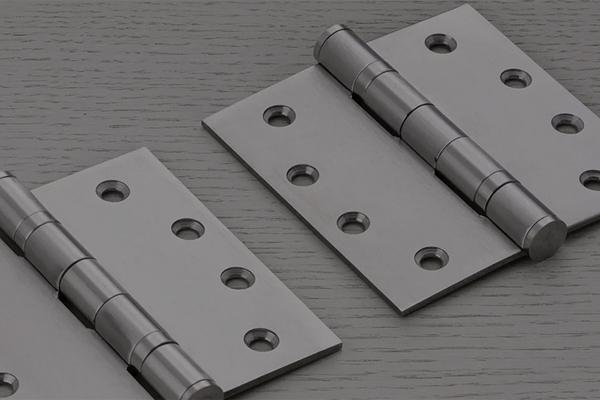
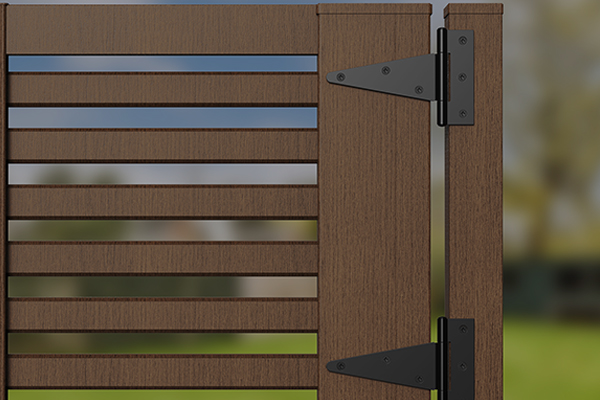
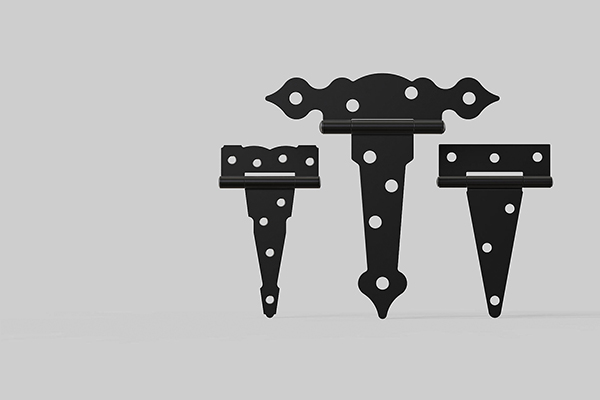
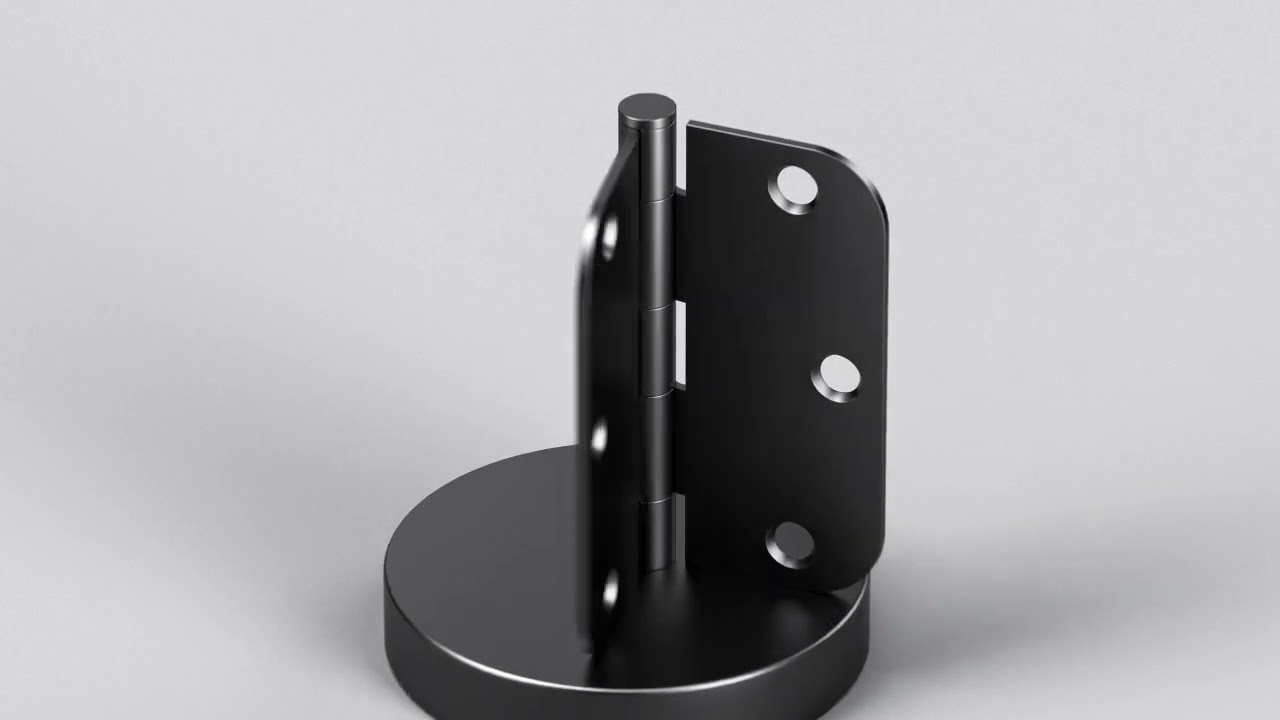
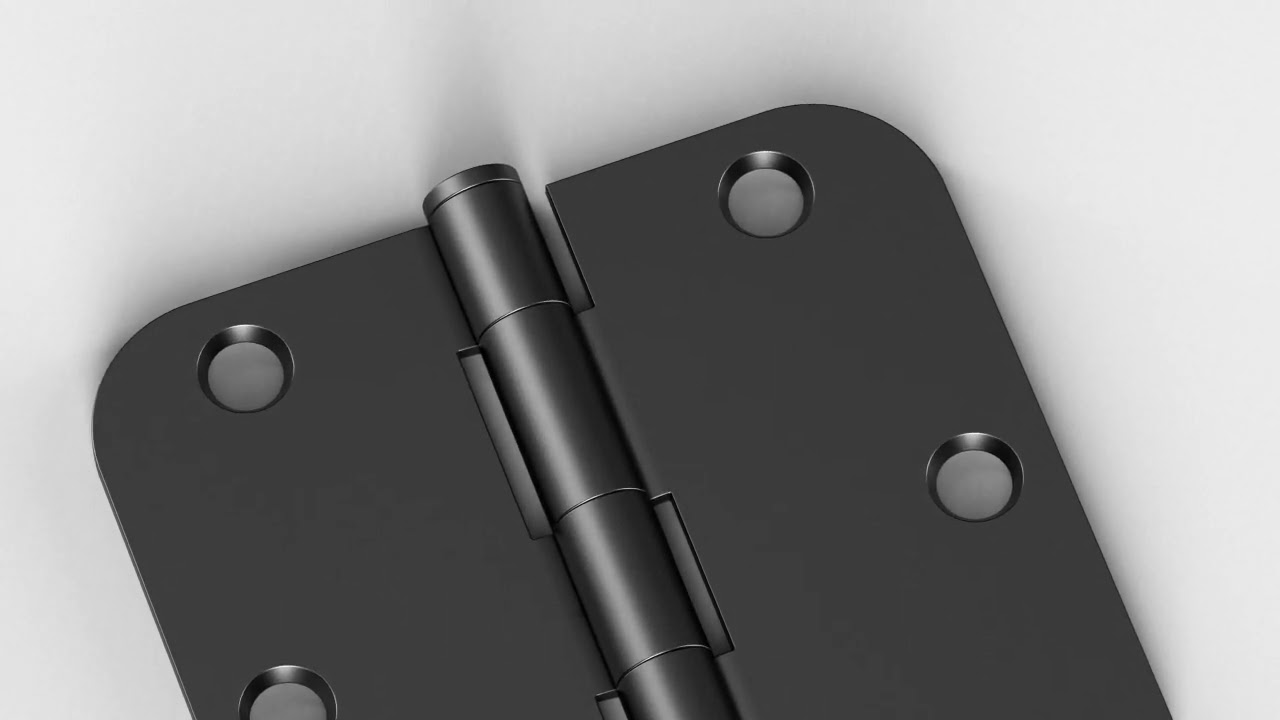
A stainless strap hinge is a type of hardware fitting typically used for hanging doors, gates, or lids where long-term durability and resistance to environmental factors are required. Characterized by its long, narrow leaves (or "straps") that are fastened to the surface of the door and frame, this hinge design provides robust support for heavy or frequently used applications. The defining feature is its construction from stainless steel, an alloy known for its exceptional corrosion resistance. This makes it the preferred choice over materials like plain steel, brass, or aluminum in environments prone to moisture, salt spray, chemicals, or extreme weather conditions. The basic design consists of two interlocking leaves joined by a central pin, forming the pivot point. The long leaves allow for a greater distribution of weight and stress along the mounting surface, which is crucial for preventing sagging in large gates or heavy doors. Stainless strap hinges are ubiquitous in both industrial and residential settings, found on everything from massive warehouse doors and farm gates to ornamental garden gates and heavy-duty toolboxes. Their functionality is simple yet critical: they enable a swinging motion while bearing the full weight of the object they support. The selection of stainless steel as the base material fundamentally elevates the hinge from a simple mechanical component to a long-lasting investment, directly addressing the common failure point of rust and degradation that plagues inferior hardware.
Stainless strap hinges are engineered for longevity and performance in demanding conditions. The primary reason for their widespread adoption is the inherent properties of stainless steel, particularly grades like 304 and the more corrosion-resistant 316. Grade 304 stainless steel is the most common, offering excellent resistance to a wide range of atmospheric environments and many corrosive media. It is an ideal choice for most outdoor applications, such as garden gates, fence gates, and exterior doors, where it will be exposed to rain and humidity. For more aggressive environments, such as coastal areas with salt-laden air, or industrial settings involving chemicals, Grade 316 stainless steel is recommended. This grade contains molybdenum, which significantly enhances its resistance to pitting and crevice corrosion from chlorides. The manufacturing process often involves precision cutting of the steel, followed by forming the knuckles and drilling the screw holes. The surface finish is also critical; while a standard mill finish is functional, a polished or brushed finish can improve cleanability and aesthetic appeal. The design of the strap hinge itself is not arbitrary; the length of the leaves is directly proportional to the weight and size of the door or gate it is designed to support. A common rule of thumb is that the hinge length should be at least half the width of the door for adequate support. Furthermore, the gauge, or thickness, of the steel is a key determinant of its load-bearing capacity. Heavy-duty strap hinges may use 1/4-inch thick steel or more, ensuring they do not flex or deform under immense stress. The pin, which is the central pivot, is often a loose pin for easy removal of the door or a fixed pin for permanent, more secure installation. Data from hardware suppliers and industrial catalogs consistently show that stainless strap hinges are specified for applications where failure is not an option, such as in marine vessels, food processing plants, and pharmaceutical facilities, where hygiene and corrosion resistance are mandated by industry standards.
Advantages of Stainless Strap Hinge
The advantages of stainless strap hinges are extensive and directly linked to the material properties of stainless steel and the functional design of the strap hinge itself. The most prominent benefit is their superior corrosion resistance, which fundamentally differentiates them from hinges made of carbon steel or other metals. This resistance to rust and staining ensures that the hinge maintains its structural integrity and appearance over many years, even when continuously exposed to rain, snow, salt spray, or high humidity. This longevity translates into a lower total cost of ownership, as the need for frequent replacement is virtually eliminated. A second major advantage is their exceptional strength and durability. Stainless steel has a high tensile strength, allowing these hinges to support very heavy doors and gates without bending, warping, or failing. The long-leaf strap design distributes the load and stress over a wider area of the door and frame, which prevents point loads that can cause wood to split or metal to dent. This makes them indispensable for large, heavy gates and industrial doors. Furthermore, stainless steel is highly resistant to extreme temperatures, both high and low, making it suitable for applications ranging from freezer doors to furnace access panels without becoming brittle or losing strength. The material is also non-porous and easy to clean, which is a critical requirement in industries with strict hygiene protocols, such as food and beverage, pharmaceuticals, and healthcare. This easy-clean surface prevents the buildup of bacteria, mold, and contaminants. Finally, from an aesthetic standpoint, stainless strap hinges offer a clean, modern, and professional look that can be either highlighted as a design feature or discreetly blended into the installation. Their sleek appearance is maintained with minimal effort, often requiring only a simple wipe-down to restore their original luster.
The quantifiable benefits of stainless strap hinges are backed by material science and real-world performance data. The corrosion resistance is primarily due to a passive chromium oxide layer that forms on the surface of the steel when exposed to oxygen. This layer is self-repairing; if the surface is scratched, it quickly reforms, protecting the underlying metal. Independent tests, such as salt spray testing (ASTM B117), demonstrate that quality 304 stainless steel can withstand hundreds of hours without showing signs of red rust, while 316 performs even better. This is a stark contrast to galvanized steel hinges, whose zinc coating can wear off, leading to rapid corrosion. In terms of strength, the yield strength of common austenitic stainless steels (like 304) is typically around 215 MPa (31,000 psi), which is substantially higher than many aluminum or brass alloys used in hardware. This mechanical property ensures that the hinge will not permanently deform under the static load of a heavy gate and the dynamic loads from repeated opening and closing. The load-bearing capacity is a direct function of the hinge's physical dimensions. For example, a standard 12x12 inch strap hinge with a 3/8" pin and a steel thickness of 1/4" can typically support a gate weighing several hundred pounds per hinge. Industry guidelines often recommend using a minimum of two hinges for standard doors, but for large gates spanning 10 feet or more, three or more heavy-duty stainless strap hinges are standard practice to ensure smooth operation and prevent sagging. The low maintenance requirement is another significant economic advantage. Unlike carbon steel hinges that require periodic painting or coating to prevent rust, stainless steel hinges are essentially maintenance-free. This eliminates the cost of materials and labor for upkeep over the lifespan of the installation. In harsh environments, this can result in savings of hundreds of dollars per hinge over a decade. Their fire resistance is also a noted advantage in building safety; stainless steel retains its strength at high temperatures better than many other metals, making it a safe choice for fire-rated doors and emergency exits. This combination of durability, strength, low maintenance, and safety makes the stainless strap hinge an overwhelmingly superior and cost-effective choice for a vast range of residential, commercial, and industrial applications.

 40% Amazon Market Share
 Door Hinges Brand on Amazon
 Products Sold Worldwide





User Comments
Service Experience Sharing from Real Customers
James Wilson
Cabinet MakerThese stainless strap hinges are exactly what our high-end kitchen projects require. The finish is flawless, they're incredibly durable, and the installation was straightforward. Highly recommended for professional woodworking applications.
Sarah Chen
Boat BuilderPerfect for marine applications! The corrosion resistance is outstanding even in saltwater environments. We've used these hinges on several boat cabinets and hatches - zero rust issues after months of use. Superior quality.
Michael Rodriguez
Commercial Door InstallerAs a professional installer, I appreciate hardware that makes my job easier. These stainless strap hinges are precisely manufactured, load-bearing capacity exceeds expectations, and they maintain perfect alignment. Great product for heavy-duty commercial doors.
Emily Parker
Restaurant Equipment SupplierWe supply these hinges to commercial kitchens and they've been fantastic. Withstands constant use, high temperatures, and frequent cleaning without any degradation. The stainless steel quality is evident and our clients are consistently satisfied.