Large Barn Door Hinges: A Comprehensive Guide to Selection and Maintenance
The maintenance of large barn door hinges is a critical aspect of ensuring their longevity, safety, and smooth operation. Given their substantial size and the weight they bear, a proactive maintenance routine is not just recommended but essential. Neglecting this can lead to premature wear, operational failure, and potential safety hazards. This guide consolidates best practices and common recommendations from industry sources to help you maintain your hinges effectively. The process involves regular inspection, cleaning, lubrication, and timely adjustments. By dedicating a small amount of time to these tasks, you can protect your investment and ensure your barn doors function flawlessly for years to come, preventing costly repairs or replacements down the line.
A rigorous and consistent maintenance schedule is paramount for large barn door hinges due to the significant mechanical stress they endure. The first and most crucial step is regular visual and physical inspection. This should be conducted at least twice a year, or more frequently in high-use or harsh environments like coastal areas with salty air or regions with high humidity. During inspection, you must look for visible signs of rust, corrosion, cracks in the metal, or any deformation. Pay close attention to the pivot points and the areas where the hinge leaves are welded together. Furthermore, check all mounting hardware, including lag bolts or screws, to ensure they haven't loosened over time. A loose hinge can cause the door to sag, putting uneven pressure on the hardware and the door itself, leading to misalignment and difficult operation. After inspection, thorough cleaning is necessary. Use a stiff brush to remove caked-on dirt, debris, and any flaking rust. For more stubborn grime, a mixture of mild soap and water can be applied with a cloth or brush. It is critical to avoid harsh chemical cleaners that could strip protective coatings or damage the finish. Once the hinge is clean and completely dry, the most important step begins: lubrication. Industry experts and manufacturers universally recommend using a high-quality, heavy-duty lubricant specifically designed for metal-on-metal moving parts. Dry lubricants like graphite powder or silicone-based sprays are often preferred over wet oils like WD-40 for exterior hinges, as they attract less dust and dirt. Apply the lubricant generously to all moving parts, specifically the pivot pin and the knuckles where the hinge plates interlock. Work the hinge back and forth several times to work the lubricant deep into the mechanism. Finally, make any necessary adjustments. If the door is sagging or dragging, you may need to tighten the mounting hardware or use shims to re-align the door properly. For strap hinges, this might involve gently bending the hinge strap to correct the door's position. This comprehensive process of inspect, clean, lubricate, and adjust, performed bi-annually, will significantly extend the functional life of your large barn door hinges and ensure they operate safely and smoothly.
When to Choose Large Barn Door Hinges
Knowing when to choose large barn door hinges is fundamental to both the functionality and aesthetic of your project. These hinges are not merely decorative; they are heavy-duty hardware engineered for specific applications where standard hinges would fail. Their selection is dictated by a combination of factors including door weight, door width, frequency of use, and desired architectural style. They are the default choice for authentic barn doors, large interior sliding or swinging doors, and substantial exterior gates. Choosing the correct hinge is a critical decision in the design and construction process, impacting the door's stability, ease of operation, and overall safety. Using an undersized hinge can lead to catastrophic failure, causing the door to detach and potentially cause injury or property damage. Therefore, understanding the specific scenarios that necessitate the use of large barn door hinges is the first and most important step in any installation.
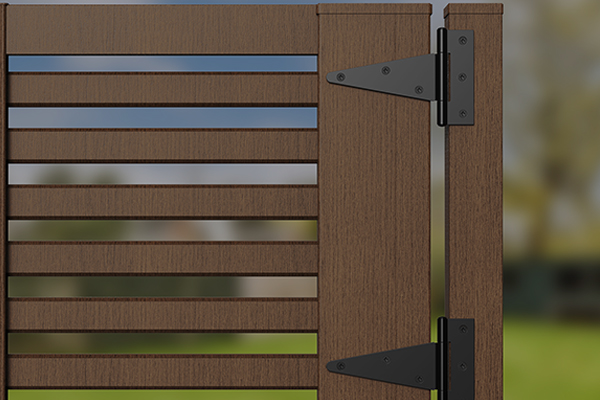
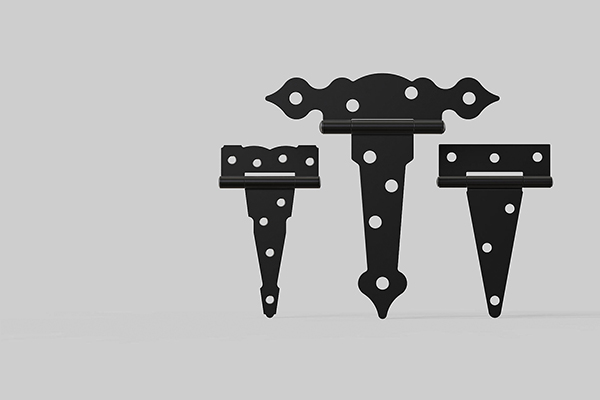
The primary and non-negotiable factor determining the need for large barn door hinges is the door's weight. Standard interior door hinges are designed for doors weighing up to approximately 100 pounds. In contrast, large barn door hinges are built to support significantly heavier loads. For instance, a common 40-inch strap hinge with a 3/8-inch pin radius can typically support a door weighing between 150 and 250 pounds. Larger, heavy-duty hinges, such as those with a 1/2-inch pin diameter and longer straps, are rated for doors weighing 300 to 500 pounds or more. It is absolutely critical to consult the manufacturer's weight rating for the specific hinge model before purchase. The second key factor is door size and width. Wider doors create more leverage and stress on the hinge points. A very wide door, even if moderately heavy, will exert more force on its hinges than a heavier but narrower door. Large barn door hinges, with their long straps or plates, distribute this stress over a broader area of the door and door jamb, providing essential stability and preventing sagging. The third consideration is the application and environment. For authentic, functional barns housing livestock or equipment, the hinges must withstand frequent use and potentially harsh conditions. For large interior sliding barn doors, often used as room dividers or for closets, the hinges must reliably support the door's full weight while allowing smooth sliding motion. In exterior applications, such as on garages, workshops, or large garden gates, the hinges must be robust enough to resist wind load and constant use, and are often made from corrosion-resistant materials like galvanized steel or with a powder-coated finish. Furthermore, the architectural style is a major deciding factor. The rustic, industrial, or farmhouse charm of a project is often defined by the presence of large, visible strap hinges or pintle hinges. They make a bold design statement that smaller, concealed hinges cannot achieve. In summary, you should choose large barn door hinges when dealing with doors that are heavy (typically over 150 lbs), wide, subject to frequent or heavy use, installed in demanding environments, or when aiming to achieve a specific, prominent aesthetic style.


 40% Amazon Market Share
 Door Hinges Brand on Amazon
 Products Sold Worldwide


_7.webp)







User Comments
Service Experience Sharing from Real Customers
Robert Johnson
CarpenterThese large barn door hinges are incredibly sturdy and well-made. The heavy-duty construction handles our oversized oak doors without any sagging. Perfect for authentic barn restoration projects.
Sarah Chen
Interior DesignerBeautiful industrial-style hinges that became the focal point of our rustic office design. The black finish is durable and the smooth operation impresses all our clients. Excellent aesthetic and functional quality.
Michael Rodriguez
Property ManagerGreat value for money! Installed these on several rental property barn doors. They hold up well against frequent use and weather elements. Minor adjustment needed during installation but overall very satisfied.
Emily Watson
HomeownerAbsolutely love these hinges for our backyard studio barn door! The installation was straightforward and they've been completely reliable through all seasons. Gives our space that perfect rustic charm we wanted.