Selecting interior door hinges affects both how a door works and how it looks. The hinge type, size, material, and compatibility matter most. Many homeowners make mistakes, such as ignoring the door’s weight or choosing inconsistent hinge sizes. Common errors include incorrect mortising depth, uneven hinge spacing, and not pre-drilling screw holes.
Key Factors for Interior Door Hinges
Function and Safety
Interior door hinges play a crucial role in how a door operates and how safe it feels. The right hinge type ensures smooth movement and supports the door’s weight. Builders Hardware Manufacturers Association (BHMA) standards help guarantee that hinges meet safety and performance requirements. Homeowners should select hardware of the appropriate grade for reliable function and compliance. In some cases, fire-rated doors require specific hinges, especially between garages and living spaces or in multi-family homes. NFPA 80 outlines requirements for fire door assemblies, and each hinge must be listed for its intended use.
Tip: Always match hinge size and number to the door’s height and weight. For most interior doors, use one hinge for every 30 inches of door height.
The table below shows how different hinge types affect safety and function:
Hinge Type | Use Case | Avoid If | Key Features |
|---|
Security Hinges | High-security areas needing tamper resistance. | Locations without security needs. | Non-removable pins, interlocking studs, hidden set screws for enhanced security. |
Continuous (Piano) Hinges | Heavy usage or previously failed doors needing maximum support. | Limited frame space or concealed hinge requirements. | Distributes weight evenly, supports heavy doors, reduces sagging, enhances security. |
Spring-Loaded Hinges | Self-closing doors required by code (e.g., fire-rated applications). | Doors needing to remain open or controlled closing speed. | Internal springs create closing tension, commonly used in bathrooms and utility rooms. |
Pivot Hinges | Oversized or heavy doors, emphasizing architectural design. | Standard swing patterns or limited mounting options. | Supports heavy doors, creates modern aesthetics, requires precise installation. |
Concealed Hinges | Clean aesthetics for interior applications. | N/A | Completely hidden when the door is closed, providing a sleek look. |
Style and Appearance
The style and finish of interior door hinges influence the overall look of a room. Hinges can tie together design elements and create a cohesive appearance. Matching hardware finishes to other fixtures, such as handles and locks, helps achieve a unified design. Hinges serve as subtle design statements and can enhance both traditional and contemporary spaces.
Popular finishes and styles include:
Satin Nickel: Soft, lustrous finish for modern and classic interiors.
Aluminum: Lightweight, corrosion-resistant, fits various designs.
Antique Brass: Vintage charm for traditional settings.
Polished Brass: Luxurious, classic look for elegant spaces.
Satin Brass: Warm, golden tone for elevated aesthetics.
Polished Chrome: Bright, shiny finish for modern appeal.
Satin Chrome: Understated elegance for industrial or modern designs.
Stainless Steel: Strong, corrosion-resistant, ideal for humid areas.
White: Clean look, blends with white doors and trim.
Zinc: Shiny silver, balances style and corrosion resistance.
Note: Well-chosen hinges enhance the perceived quality and attractiveness of a space. The finish leaves an immediate impression on visitors and conveys attention to detail.
The following table matches hinge finishes to project scenarios:
Project Scenario | Best Finish Choice |
|---|
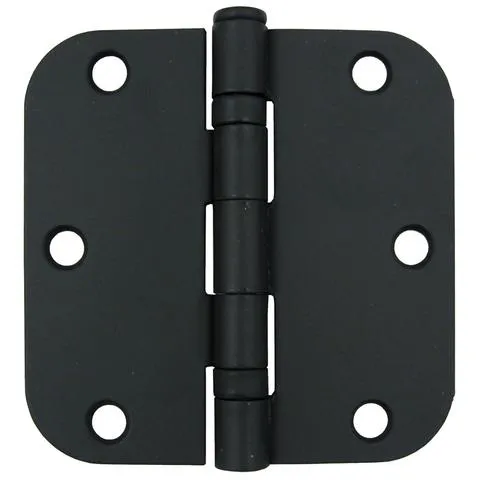
Modern Black Interior Doors | Matte Black Powder-Coated Hinges |
Coastal or Humid Homes | Satin Nickel or PVD-Coated Hinges |
Luxury Offices or Retail | Polished Chrome Hinges |
Farmhouse or Rustic Designs | Antique Brass Hinges |
Durability and Maintenance
Durability depends on the hinge material and finish. Stainless steel offers excellent corrosion resistance and works well in humid environments. Steel with protective coatings provides a cost-effective solution but needs proper coating for long-term use. Aluminum is lightweight and naturally resists corrosion, making it suitable for light-duty applications. Brass and bronze add decorative appeal and moderate resistance but require regular care to prevent tarnishing.
Stainless steel: Exceptional corrosion resistance, ideal for bathrooms and kitchens.
Steel with coatings: Economical, customizable, needs proper coating for durability.
Aluminum: Lightweight, good for less demanding applications.
Brass & bronze: Attractive, moderate resistance, needs maintenance.
The average lifespan of interior door hinges ranges from 10 to 15 years under normal household conditions. With regular care, hinges can last up to 25 years. The choice of material and finish affects maintenance costs. Proper selection minimizes corrosion, peeling, and rusting, reducing the need for replacements.
Tip: Choose hinges with high-quality finishes to protect against humidity and salt air. This reduces maintenance and extends the life of the hinges.
Types of Interior Door Hinges
Butt Hinges
Butt hinges remain the most common choice for interior door hinges in new homes. They feature a simple design that allows easy installation and maintenance. Homeowners often select butt hinges for entry doors, interior doors, cabinet doors, and window shutters. These hinges support heavy loads and offer versatility in sizes and finishes.
Feature/Application | Description |
|---|
Material Options | Brass, stainless steel, bronze, zinc |
Durability | Handles significant weight, suitable for heavy doors |
Simple Design | Straightforward for easy installation and maintenance |
Visibility | Visible plates add a decorative element |
Applications | Entry doors, interior doors, furniture, outdoor gates |
Advantages | Supports heavy loads, easy to install, versatile |
Disadvantages | Exposed plates may not suit modern designs, limited adjustability |
Tip: Butt hinges work well for most residential doors and cabinets.
Concealed Hinges
Concealed hinges provide a sleek, modern look by hiding the hinge mechanism when the door closes. These hinges suit minimalist designs and high-end applications. They require precise installation and expertise, making them more complex than exposed hinges.
Feature | Concealed Hinges | Exposed Hinges |
|---|
Aesthetics | Sleek, modern, ideal for minimalist | Decorative, complements traditional |
Installation Complexity | High precision, more complex | Simpler to install and maintain |
Pivot Hinges
Pivot hinges support heavy doors and allow smooth, stable movement. Builders use them in high-traffic areas and for oversized doors. These hinges reduce stress on the frame and offer long-term durability.
Advantage | Description |
|---|
Durability | Manages heavy loads, reduces frame stress |
Smooth Operation | Provides stable movement, enhances safety |
Aesthetic Appeal | Concealed options offer a clean look for various door materials |
Designed for heavy use and weight lifting
Built from high-quality materials like stainless steel or brass
Allow effortless opening and closing
Spring Hinges
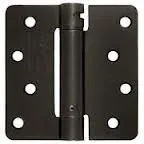
Spring hinges automatically close doors, improving safety and convenience. They appear in residential and commercial settings, especially where automatic closure is needed for privacy or fire safety.
Scenario | Benefits |
|---|
Residential and commercial | Automatic closure, safety, energy efficiency, access control |
ADA compliance | Ensures accessibility |
Fire safety | Enhances safety in emergencies |
Convenience and privacy | Ease of use, privacy |
Heavy-Duty Hinges
Heavy-duty hinges support doors with greater weight and frequent use. Builders select these hinges for commercial properties or large residential doors.
Frequency Category | Weight Threshold for Heavy-Duty Hinges |
|---|
High-frequency | Up to 200 lb |
Medium-frequency | Up to 400 lb |
Low-frequency | Up to 1000 lb |
Note: Choosing the right hinge type improves door durability, security, and performance.
Choosing the Right Size and Number
Measuring Door and Hinge
Selecting the correct hinge size starts with measuring the door’s height, width, and thickness. For most residential interior doors that measure 32 inches wide and 1 3/8 inches thick, a 3.5-inch hinge fits best. Wider doors, such as those at 36 inches, require a 4-inch hinge. Doors over 48 inches wide need a 5-inch hinge to support extra weight. The hinge size must increase as the door’s dimensions grow to maintain stability.
Application | Door Height | Door Width | Thickness | Weight | Recommended Hinge(s) |
|---|
Residential Interior Door | 6'8" | 28–32" | 1-3/8" | ≤ 50 lbs | 3.5" × 3.5" (2 or 3 hinges) |
Residential Entry Door | 80–84" | 36" | 1-3/4" | 80–125 lbs | 4" × 4" or 4.5" × 4.5" (3) |
Light Commercial Office Door | 84–90" | 36–42" | 1-3/4" | 125–175 lbs | 4.5" × 4.5" or 5" × 5" (3-4) |
Heavy Commercial/Industrial Door | 90"+ | Over 42" | 2"+ | 200–600 lbs | 6" × 5", 6"× 6", or 8" × 6" (4+) |
Tip: Always match hinge size to the door’s width and thickness for proper support.
The rule of one hinge per 30 inches of door height helps prevent sagging and misalignment. Taller doors need more hinges to distribute weight evenly and maintain alignment.
One hinge for every 30 inches of door height ensures stability.
More hinges on taller doors prevent wear and sagging.
Insufficient hinges can cause misalignment over time.
Hinge Radius and Corner Types
Hinge corners come in square or rounded shapes. Square corners create a clean, modern look and suit geometric designs. Rounded corners offer a softer, casual appearance and work well in cozy spaces. Rounded corner hinges, such as the 4-inch radius type, allow doors to open and close within a smaller footprint. This feature benefits tight spaces by improving maneuverability and spatial planning.
Square corners: Sophisticated, modern style.
Rounded corners: Casual, cozy atmosphere.
Rounded hinges optimize clearance and swing radius.
Switching from rounded to square corners requires chiseling for a flush fit.
Choosing the right hinge size and number ensures that interior door hinges perform reliably and look attractive in any space.
Materials and Finishes for Interior Door Hinges
Brass, Stainless Steel, and Other Materials
Manufacturers use several materials to produce interior door hinges. Each material offers unique benefits and drawbacks. The table below compares common options:
Material | Advantages | Disadvantages | Best Uses |
|---|
Steel | Durable, cost-effective, strong | Prone to rust and corrosion | Heavy-duty doors |
Stainless Steel | Corrosion-resistant, low maintenance, aesthetic appeal | More expensive than steel | Outdoor doors, high-moisture areas |
Iron | Traditional appeal, strong, customizable | Prone to rust, heavy | Vintage or antique doors |
Brass | Elegant appearance, corrosion-resistant, low friction | Softer than steel, more expensive | Interior doors, high aesthetic value |
Aluminum | Lightweight, rust-resistant, affordable | Weaker than steel, less aesthetic appeal | Lightweight doors, exterior doors |
Chrome | Shiny appearance, corrosion-resistant | Not ideal for moisture-prone areas, prone to scratches | Modern interior doors |
Zinc Alloy | Corrosion-resistant, lightweight, cost-effective | Not as durable as steel or stainless steel | Light to medium-duty doors |
Bronze | Highly durable, rust-resistant, aesthetic appeal | More expensive, requires patina maintenance | High-end doors |
Brass and stainless steel remain popular choices for homes. Brass provides a classic look and resists corrosion. Stainless steel offers strength and stands up to moisture.
Finish Options and Matching Decor
Finish selection impacts both durability and style. Homeowners can choose from satin, polished, PVD, and electroplated finishes. Each finish protects against corrosion and daily wear. The right finish reduces maintenance and improves the overall quality of the installation.
Satin and polished finishes resist scratches and wear.
PVD coatings add extra protection in humid or coastal environments.
Electroplated finishes enhance shine and style.
Tip: Select finishes that match other hardware in the room for a unified look. Consider environmental factors such as humidity when choosing a finish.
Satin nickel and chrome work well in modern spaces.
Antique brass and bronze suit traditional or vintage decor.
Stainless steel fits kitchens and bathrooms with high moisture.
Interior door hinges with the proper material and finish last longer and require less upkeep. Matching finishes with decor creates a cohesive design throughout the home.
Compatibility with Door and Frame
Matching Hinges to Door Weight and Thickness
Selecting hinges that match the door’s weight and thickness ensures reliable operation and long-term durability. Builders consider several factors before choosing the right hinge. The table below outlines important details for compatibility:
Factor | Description |
|---|
Application | Type of door and frame for hinge configuration. |
Hinge Size | Based on door size, thickness, weight, frequency of use, and required clearance. |
Hinge Type | Depends on door weight and usage frequency; heavy weight hinges for heavy doors. |
Metal and Finish | Considerations for atmospheric conditions and special environments. |
Fasteners | Standard fasteners provided; other options available upon specification. |
Hand of Hinge | Specification of right or left hand for certain hinge types. |
Hinge Edge of Door | Whether the door edge is square or beveled. |
Tip Options | Various tip styles available for different applications. |
Special Hinge Types | Includes raised barrel, electric hinges, and security features. |
Quality Level, Budget | Consideration of budget and quality requirements. |
Number of Hinges Required | Guidelines for the number of hinges based on door size. |
Location of Hinges | Standards for hinge placement on the door. |
Door weight and dimensions influence hinge selection. Stress on hinges increases with door weight, width, and hinge spacing. Position and distance between hinges affect hinge load capacity. Builders use these guidelines to prevent sagging and misalignment.
Tip: Always check the manufacturer’s specifications for hinge load ratings before installation.
Ensuring Proper Fit with Frame Construction
Proper hinge selection protects the structural integrity of the door frame. Hinges must support the door’s weight without exceeding their rated load capacity. If hinges are too small or weak, the door may sag or bind. Over time, this can damage the frame and cause alignment problems.
Installers match hinge type and size to the frame material and construction. Wood frames require different fasteners than metal frames. Square or beveled door edges also affect hinge fit. Builders measure the hinge mortise depth and ensure the hinge sits flush with the frame. They place hinges at standard locations to distribute weight evenly.
Use the correct number of hinges for tall or heavy doors.
Select fasteners that suit the frame material.
Check that hinges align with the door and frame edges.
Interior door hinges that fit both the door and frame help maintain smooth operation and prevent costly repairs.
Tips for Interior Design and Function
Coordinating Hinges with Hardware
Interior designers often recommend matching hinge finishes with other hardware elements to create a unified look. They identify the style of the room before selecting finishes. For example, kitchens need durable finishes that resist scratches and tarnishing, while bathrooms may benefit from polished gold or antique bronze for a luxurious feel. Designers choose a dominant finish as the foundation and introduce contrasting finishes for visual interest. They transition to secondary finishes gradually, maintaining balance and proportion throughout the space.
Tip: Consistency across hardware elements helps rooms feel cohesive and well-designed.
A table can help homeowners visualize how hinge finishes coordinate with other hardware:
Room Type | Dominant Finish | Secondary Finish | Functionality Focus |
|---|
Kitchen | Satin Nickel | Matte Black | Scratch resistance |
Bathroom | Antique Bronze | Polished Gold | Opulent appearance |
Living Room | Brass | Satin Chrome | Visual intrigue |
Designers ensure the hinge finish complements or contrasts effectively with the color of doors and surrounding decor. In historical homes, they select finishes that match the period of construction. Budget and durability also play important roles in the decision-making process.
Balancing Style and Practicality
Homeowners balance style preferences with functional requirements by considering several factors. They select hinge designs that match their interior aesthetics, choosing from a variety of styles and materials such as stainless steel, brass, or bronze. The finish enhances the overall appeal of the door and room. Functionality remains essential; for example, automatic closing hinges suit busy households, while concealed hinges fit minimalist designs.
Style and design options allow for personalization.
Materials and finishes contribute to both appearance and durability.
Functional needs guide hinge selection for each room.
Note: Testing different combinations and considering room use ensures that hinges meet both style and practical needs.
Quick Checklist for Choosing Interior Door Hinges
A well-structured checklist helps homeowners avoid common mistakes and ensures the right hinge selection for every interior door. The following points guide users through the essential steps:
Evaluate Functional Requirements
Determine if the door needs to close automatically.
Identify any security concerns, such as tamper resistance.
Check for accessibility needs, including ease of use for all family members.
Consider Aesthetics and Visibility
Decide if visible hardware matches the room’s style.
Choose concealed hinges for a seamless, modern look.
Review Installation Parameters
Check Material and Weight Compatibility
Ensure Accurate Sizing
Select Finish and Style
Look for Specialized Features
Plan for Correct Installation and Regular Care
Balance Quality and Budget
Tip: Regular maintenance extends hinge life and keeps doors operating smoothly.
Material | Best Use Case | Durability | Maintenance Tip |
|---|
Iron | Interior doors | Moderate | Apply anti-rust coating |
Stainless steel | Outdoor or humid areas | High | Lubricate 1–2 times per year |
Brass | Luxury interiors | Medium | Clean with non-abrasive cloth |
A thoughtful checklist leads to better choices, improved function, and a polished look for every interior door.
Selecting the right interior door hinge improves door function, durability, and security. Key points include hinge type, size, material, and compatibility. Homeowners should:
Choose corrosion-resistant hinges that match door weight.
Ensure the frame fits the hinge.
Consult hardware professionals for guidance.
Use the checklist for confident decisions.
FAQ
What is the best hinge size for a standard interior door?
A 3.5-inch hinge fits most standard interior doors. Builders recommend this size for doors measuring 1-3/8 inches thick and 28–32 inches wide.
How many hinges does a tall door need?
Install one hinge for every 30 inches of door height. For an 80-inch door, use three hinges to ensure stability and prevent sagging.
Can homeowners install hinges without professional help?
Most homeowners can install hinges with basic tools. They should follow manufacturer instructions and measure carefully for proper alignment.