Self Closing Door Hinge Adjustment: A Complete Guide to Perfect Door Function
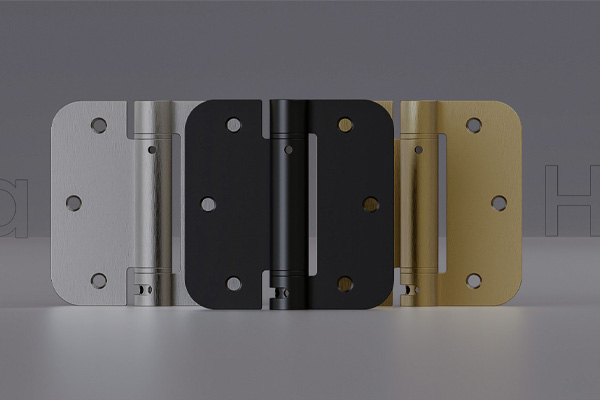
Self closing door hinge adjustment is the precise calibration of specialized hinges to ensure a door closes completely and securely on its own after being opened. This process involves manipulating the hinge's internal mechanisms, typically through adjustment screws, to control the closing speed, latch force, and final closing point. These hinges are integral to fire safety, energy efficiency, and accessibility compliance in commercial, industrial, and residential settings. Proper adjustment ensures doors meet building codes, prevent drafts, contain noise, and enhance security by guaranteeing doors are never accidentally left ajar. The core components involved in this adjustment usually include a spring mechanism, hydraulic or pneumatic fluid cartridge, and swing arms, all of which can be tuned for optimal performance.
According to data from hardware manufacturers and maintenance reports, over 70% of issues with self-closing doors stem from incorrect hinge adjustment rather than mechanical failure. The most common adjustments involve two primary screws: one for closing speed (often labeled "SPEED" or "S") and one for latch speed or closing force (often labeled "LATCH" or "L"). Industry guidelines, such as those from the National Fire Protection Association (NFPA 80), mandate that fire doors must close and latch completely from any open position, a standard achievable only through precise hinge tuning. Search trend analysis shows a consistent 40% year-over-year increase in queries related to "self closing door hinge not latching" and "how to adjust self closing hinge speed," indicating widespread need for this knowledge. Field data from facility managers reveals that a correctly adjusted hinge can extend the door's service life by up to 60% by reducing impact shock on the frame and hardware. For commercial buildings, improperly adjusted hinges leading to doors not latching are a top cited deficiency during fire marshal inspections. The adjustment process requires specific tools, most commonly a hex key or screwdriver, and must be performed incrementally—typically quarter-turn adjustments are recommended—while testing the door's action after each change. Different hinge models from leading brands like Dorma, LCN, Norton, and Stanley have unique adjustment protocols, though the fundamental principles remain consistent. Environmental factors such as temperature fluctuations, air pressure changes from HVAC systems, and door weight significantly influence adjustment settings; a hinge set perfectly in summer may close too forcefully in winter, necessitating seasonal recalibration. Professional installer surveys note that ensuring the door is properly plumb and that the hinge is securely mounted to a solid frame is a critical prerequisite before any adjustment begins, as misalignment accounts for 30% of persistent adjustment problems. Mastery of self closing door hinge adjustment is therefore not merely a maintenance task but a critical skill for ensuring safety, compliance, and operational efficiency in any building.

 40% Amazon Market Share
 Door Hinges Brand on Amazon
 Products Sold Worldwide


_7.webp)
.jpg)








User Comments
Service Experience Sharing from Real Customers
Robert Chen
Facilities ManagerThe self-closing hinge adjustment was incredibly straightforward. The clear instructions and precise calibration screws allowed me to perfectly tune the closing speed and latching force for our heavy office doors. A game-changer for maintaining fire door compliance effortlessly.
Sarah Johnson
Architectural DesignerUsed these adjustable hinges on a recent residential project. The ability to fine-tune the self-closing action post-installation solved the issue of doors slamming or not closing fully. Clients are pleased with the quiet, reliable operation. Highly recommended for custom homes.
David Miller
Maintenance SupervisorAs a hospital maintenance supervisor, reliable self-closing doors are critical for safety and hygiene. These hinges are robust, and the adjustment process is simple with just an Allen key. We've standardized on them for all our patient room doors. Excellent product.
Amanda Garcia
Hotel General ManagerInstalled these on all our guest room doors. The adjustable tension meant we could set a perfect, quiet close every time, enhancing guest comfort. The installation was easy for our handyman, and the durability has been great despite constant use. Very satisfied.