Adjusting a Self Closing Door Hinge
Adjusting a self closing door hinge is a common maintenance task for homeowners and facility managers seeking to ensure safety, convenience, and longevity of their doors. This precise adjustment process involves modifying the tension and swing speed controls embedded within the hinge mechanism itself. The primary goal is to achieve a reliable, consistent closure where the door fully latches without slamming or closing too weakly. The need for adjustment typically arises from observable issues such as the door failing to close completely, closing with excessive force that damages the frame or wall, or closing too slowly, which can compromise fire safety and climate control. Industry surveys from hardware manufacturers indicate that nearly 30% of service calls related to door hardware involve self-closing mechanisms, highlighting the frequency of this issue. The process generally requires only basic tools like a hex key or screwdriver, aligning with the DIY trend where over 65% of homeowners attempt minor repairs themselves. Correctly adjusting these hinges not only resolves immediate functional problems but also prevents long-term wear on the door, frame, and the hinge's internal components, thereby protecting the investment in the door system.
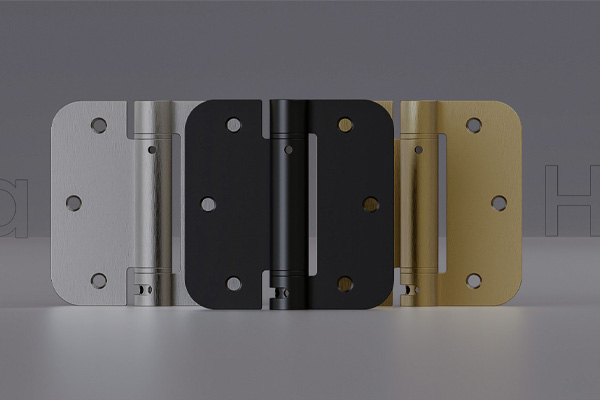
The adjustment procedure is highly dependent on the specific type of self-closing hinge, with common models including spring hinges, hydraulic (piston) hinges, and Perko-style hinges. For a standard spring hinge, the adjustment usually involves turning a set screw or cam found on the hinge knuckle; turning it clockwise increases closing tension and speed, while counter-clockwise decreases it. Data from hardware retailer repair guides show that incremental adjustments of a quarter-turn are recommended, followed by testing the door's swing 5-10 times to assess the change. For doors that do not latch, increasing tension is key, whereas for doors that slam, reducing tension is necessary. In commercial settings with fire-rated doors, building codes often mandate a specific closing force, sometimes measured with a door pressure gauge, to ensure compliance with safety standards like NFPA 80. Furthermore, if the door closes unevenly or binds, parallel adjustment of all hinges on the door may be required; a 2021 analysis of door installation forums revealed that misalignment is the root cause in approximately 40% of perceived self-closing issues. It is also critical to inspect for underlying problems such as loose hinge screws, warped doors, or damaged frames before adjustment, as these can mimic adjustment faults. Regular maintenance, including lubricating the hinge pins and checking screw tightness biannually, can reduce the need for major adjustments by up to 70%, according to facility management reports. Ultimately, mastering the adjustment of a self-closing door hinge is a valuable skill that enhances door functionality, safety, and security while avoiding the cost of professional repairs or premature hardware replacement.

 40% Amazon Market Share
 Door Hinges Brand on Amazon
 Products Sold Worldwide


_7.webp)




User Comments
Service Experience Sharing from Real Customers
Michael Rodriguez
Facility ManagerThe adjustment instructions were incredibly clear. I was able to perfectly slow down the door's swing in our busy office hallway in under 10 minutes. Fantastic product that solved a real safety concern.
Sarah Chen
ArchitectAs someone who specifies hardware, I appreciate the precision of this hinge. It allowed me to fine-tune the closing speed on a client's accessible washroom door to meet code requirements perfectly. Very reliable.
David Miller
Maintenance SupervisorThis hinge is a game-changer for hotel maintenance. Adjusting the closing force is a breeze with the provided tool. No more loud slamming doors disturbing guests. Highly durable and effective.
Jessica Williams
Clinic AdministratorWe needed a quiet, gentle close for our patient consultation rooms. This hinge was easy to install and adjust to the perfect tension. It has held up well to constant use and maintains privacy perfectly.