
Choosing the Right Outdoor Hinges for Your Garden Gates
Choosing the Right Outdoor Hinges for Your Garden Gates
To choose the right outdoor hinges for your garden gate, match hinge type, size, and material to your gate’s weight, width, and use. Imagine struggling with a sagging or squeaky gate after a rainy season. The right hinge material, like stainless steel or galvanized steel, prevents rust and helps your gate last longer in wet or humid conditions. Think about your garden’s environment and your gate’s needs before picking hardware.
Why Outdoor Hinges Matter
Gate Performance and Durability
TDC Outdoor hinges play a key role in how well your garden gate works and how long it lasts. Strong hinges support the weight of the gate and keep it moving smoothly. Heavy-duty spring hinges add extra strength and help prevent sagging or misalignment. Many outdoor hinges use corrosion-resistant materials. These materials protect against rain, snow, and sun, so the hinges last longer and keep the gate working well.
Tip: Choosing hinges made for outdoor use helps your gate stand up to harsh weather and daily wear.
A well-chosen hinge keeps the gate aligned and easy to open or close. This reduces stress on the gate frame and helps avoid repairs. When hinges are sturdy and rustproof, your gate stays safe and looks good for years.
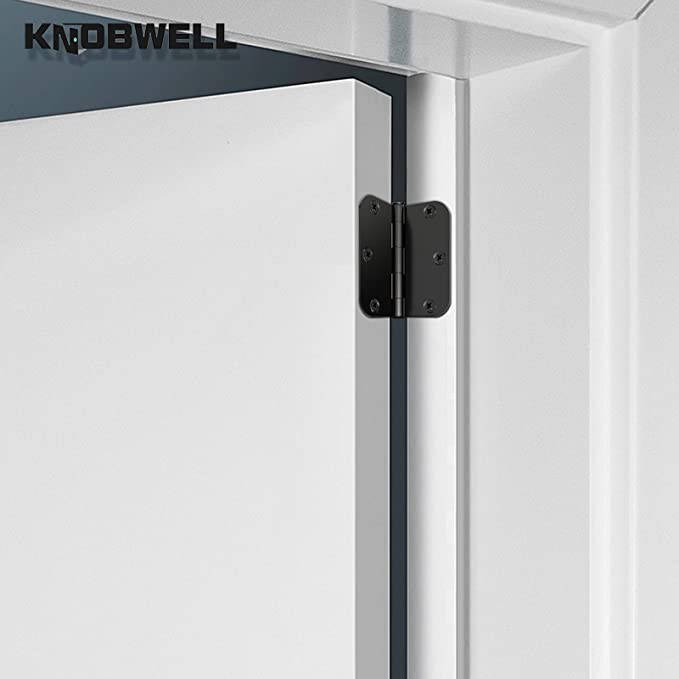
Common Issues from Poor Hinge Choice
Picking the wrong hinge can cause many problems. Some of the most common issues include:
Sagging or misaligned gates
Twisting or bowing of the gate
Squeaky hinges that need frequent oiling
Hinges pulling away from the mounting surface
Extra strain on the gate frame
Premature wear and safety risks
Using hinges that do not match the gate’s weight or size often leads to failure. Weak screws or undersized hinges can cause the gate to sag or even detach. These problems make the gate hard to use and may require costly repairs.
Types of Outdoor Hinges
Choosing the right hinge starts with understanding the main types available for garden gates. Each hinge type offers unique benefits and works best in specific situations.
Butt Hinges
Butt hinges are a classic choice for garden gates. These hinges sit flush with the gate and post, creating a neat and discreet look. They can handle significant weight, making them suitable for heavy gates. However, they require precise installation and may loosen over time if not fitted correctly. Outdoor exposure can also lead to rust, so choosing rust-resistant materials is important.
Note: Butt hinges are often used where a seamless appearance is desired.
Strap Hinges
Strap hinges feature long, flat plates that distribute weight across a larger area. This design makes them ideal for large or heavy gates, such as barn doors or driveway gates. Heavy-duty models can support up to 110 pounds per hinge, while industrial versions handle even more. Many strap hinges come with rustproof finishes, making them reliable for outdoor hinges in harsh weather.
Recommended for: Shed doors, wooden fences, and storage gates.
Look for powder-coated or stainless steel options for extra durability.
Tee Hinges
Tee hinges combine a long arm with a T-shaped design. The vertical part attaches to the post, while the horizontal strap supports the gate. This shape provides extra strength and makes installation easier than some other hinge types. Tee hinges work especially well for wooden gates and offer a rustic look.
Ball Bearing Hinges
Ball bearing hinges use small bearings to reduce friction. This design ensures smooth operation, even for heavy gates. They resist sagging and maintain alignment over time. The table below highlights their key benefits:
Benefit | Description |
|---|---|
Long-lasting performance | Withstands heavy use without frequent replacements |
Corrosion resistance | Coated to resist rust in outdoor conditions |
Reduced sagging | Helps keep gates aligned and functional |
Smooth operation | Easy opening and closing for heavy gates |
Enhanced security | Stable mounting for large gates |
Specialty Hinges
Some gates need unique solutions. Specialty hinges include barrel hinges for small, lightweight gates, self-closing hinges for added safety, and uphill hinges for gates installed on slopes. These options solve specific problems, such as automatic closing or adapting to uneven ground.
Tip: Always match the hinge type to your gate’s size, weight, and environment for the best results.
Choosing the Right Hinge
Gate Size and Weight
The size and weight of your garden gate are the first things to check before choosing a hinge. Heavier and wider gates need stronger hinges to prevent sagging and keep the gate working smoothly. If the hinge is too small or weak, the gate may twist or even fall. Always measure the height, width, and thickness of your gate. Weigh the gate if possible. This helps you pick a hinge that can handle the load.
Measure the gate’s height, width, and thickness.
Calculate the total weight of the gate.
Add a safety margin for extra weight from wind or people leaning on the gate.
Choose a hinge type and size that matches these numbers.
For example, three hinges can support over 260 pounds, while four hinges can hold up to 440 pounds. Large gates often need more than two hinges for extra support. Heavy-duty hinges made from stainless steel or galvanized steel work best for big gates.
Tip: Always check the manufacturer’s load rating for each hinge.
Material Compatibility
The material of your gate affects which hinge will work best. Wood, metal, and vinyl gates each have different needs. Using the right hinge material prevents rust and keeps the gate secure.
Gate Type | Recommended Hinge Type |
|---|---|
Vinyl or PVC | Standard hinges usually work well |
Wooden | Medium-duty hinges with solid steel or iron cores |
Steel | Heavy-duty hinges made of forged or stainless steel |
Wooden gates often need medium-duty hinges with strong steel cores. Metal gates, especially steel ones, require heavy-duty hinges for extra strength. Vinyl gates are lighter, so standard hinges are usually enough. Always match the hinge material to the gate for the best results.
Hinge Size and Load
Choosing the right hinge size is just as important as picking the right type. The hinge must fit the gate and support its weight. If the hinge is too small, it will wear out quickly. If it is too large, it may look bulky and be hard to install.
Tee hinges should be at least half the width of the gate for good support.
Band and hook hinges work well when they are one third the width of the gate.
For gates wider than 2100mm, add a third hinge for extra strength.
Hinge Type | Recommended Size (for gate width) | Load Rating (lbs) |
|---|---|---|
Tee Hinges | At least half the gate width | Varies by gauge |
Band & Hook Hinges | One third of the gate width | Varies by design |
Heavy Duty Hinges | Add a third hinge for wide gates | Supports heavy loads |
Check the hole pattern on the hinge to make sure it matches your gate. This ensures a secure fit and prevents the hinge from pulling away over time.
Weather Resistance
Outdoor hinges face rain, snow, humidity, and extreme temperatures. These conditions can cause rust, corrosion, and even make the hinge stick or break. Stainless steel hinges are highly resistant to corrosion, making them a top choice for wet or humid areas. Galvanized steel hinges have a zinc coating that protects against rust. Brass hinges look nice but may not last as long in salty or humid air.
Stainless steel resists rust and works well in rain, snow, and humidity.
Brass offers some corrosion resistance but may not be best for coastal or humid areas.
Galvanized hinges are budget-friendly and protect against rust with a zinc coating.
Note: In coastal areas or places with high humidity, always choose marine-grade or stainless steel hinges for the best long-term performance.
Choosing the right outdoor hinges means thinking about your gate’s size, weight, material, and the weather it will face. This careful planning helps your gate last longer and work better.
Best Materials for Outdoor Hinges
Choosing the right material for outdoor hinges is essential for long-lasting garden gates. Materials like stainless steel and galvanized steel offer strong protection against rust and corrosion. These metals help gates withstand rain, humidity, and changing temperatures. The right hinge material can prevent common problems such as squeaking, sticking, and early failure.
Stainless Steel Hinges
Stainless steel is one of the most reliable materials for outdoor hinges. Its chromium content forms a protective layer that resists moisture and oxidation. This makes stainless steel hinges ideal for garden gates exposed to harsh weather, including rain and humidity. Stainless steel also handles extreme temperatures and saltwater environments without losing strength.
TDC’s Stainless Steel Hinges stand out as a top choice for outdoor gates. These hinges use advanced ball bearing technology and built-in lubrication, which ensures smooth and quiet movement. The rustproof protection lasts for years, even in wet or coastal areas. TDC manufactures these hinges in-house, guaranteeing consistent quality and performance. Multiple sizes and finishes are available, so you can match your gate’s style and needs. TDC’s hinges are trusted worldwide and offer factory-direct pricing for bulk orders.
Tip: Stainless steel hinges require little maintenance and provide reliable support for heavy gates.
The table below shows how different grades of stainless steel perform:
Material | Corrosion Resistance | Strength Characteristics |
|---|---|---|
304 Stainless Steel | Resistant to oxidation, acids, and alkalis | Suitable for medium and high strength structures |
316 Stainless Steel | Enhanced resistance to salt spray and chemical corrosion | Best balance of corrosion resistance and strength |
Galvanized Hinges
Galvanized steel hinges are another popular option for outdoor gates. These hinges have a zinc coating that protects the steel from rust and corrosion. Galvanized hinges work well in dry conditions and are more affordable than stainless steel. They are practical for sheds, storage gates, and less demanding outdoor applications.
However, galvanized hinges may not last as long in wet or salty environments. The zinc coating can wear off over time, especially after welding or heavy use. Regular inspection and touch-ups help maintain their rust protection.
Material | Longevity | Rust Resistance |
|---|---|---|
Galvanized Steel | Economical, but less durable | Good rust protection, but not for salt water |
Stainless Steel | Higher cost, but very durable | Superior corrosion resistance, suitable for marine applications |
Galvanized steel offers excellent rust protection and is cost-effective.
Stainless steel provides exceptional corrosion resistance and durability with low maintenance.
Comparing Material Options
Different materials offer unique benefits for outdoor hinges. Stainless steel is the best choice for long-term durability and rust resistance. Galvanized steel is budget-friendly and works well in mild climates. Brass hinges add elegance but may not last as long outdoors. Aluminum and copper are lightweight and resist corrosion, making them suitable for gates exposed to moisture.
Hinge Type | Corrosion Resistance | Durability | Suitability for Outdoor Use |
|---|---|---|---|
Stainless Steel | High, especially grade 316 for harsh environments | Excellent | Commonly used for outdoor gates |
Brass | Good, but less than high-grade stainless steel | Durable and aesthetically pleasing | Suitable for outdoor furniture, adds elegance |
Galvanized | Moderate, zinc coating protects against rust | Budget-friendly | Practical for less demanding applications like sheds |
Manufacturers often offer warranties for outdoor hinges. Stainless steel hinges usually come with longer guarantees due to their durability. Galvanized hinges may require more maintenance and shorter warranties.
Note: For garden gates in wet, coastal, or high-humidity areas, stainless steel hinges like those from TDC provide the best protection and performance.
Choosing the right material for outdoor hinges helps your gate stay strong, rust-free, and easy to use for years.
Quick Guide: Hinge Selection by Gate Type
Light vs. Heavy Gates
Choosing the right hinge depends on the weight of your garden gate. Light gates need less support, while heavy gates require strong hardware. Surface-mounted hinges work for both light and heavy gates because they are easy to install and fit many gate styles. Tee hinges suit lightweight gates. Their rectangular knuckle adds security and comes in different gauges. Band and hook hinges are best for heavy gates. These hinges use a plate and band for a secure hold.
Hinge Type | Suitability for Gate Weight | Description |
|---|---|---|
Surface-mounted hinge | Light to Heavy | Easy to install, fits many gate types. |
Tee hinges | Lightweight | Rectangular knuckle, extra security, available in various gauges. |
Band and Hook hinges | Heavy | Hinge plate and band for strong attachment. |
Tip: For heavy gates, use more than two hinges to prevent sagging and increase stability.
Wood, Metal, and Vinyl Gates
Gate material affects hinge choice. Vinyl or PVC gates are light and work well with standard hinges. Wooden gates need medium-duty hinges with solid steel or iron cores for strength. Steel gates require heavy-duty hinges made from forged steel or stainless steel. These materials resist rust and provide long-lasting support.
Gate Material | Recommended Hinge Type | Material Used |
|---|---|---|
Vinyl or PVC | Standard hinges | Lightweight |
Wooden | Medium-duty hinges | Solid steel or iron cores |
Steel | Heavy-duty gate hinges | Forged steel or stainless steel |
Note: Stainless steel hinges offer the best protection for gates exposed to moisture or harsh weather.
Selecting hinges based on gate weight and material helps your garden gate stay secure and easy to use.
Installation and Maintenance Tips
Measuring and Fitting
Accurate measurement ensures your hinges fit and function well. Start by measuring the height, width, and thickness of your gate. Mark the hinge positions on both the gate and the post. Use a level to keep the hinges straight. Drill pilot holes before attaching the hinges. This step helps prevent wood from splitting and keeps the screws secure. Always check that the gate swings freely after installation.
Tip: Use a tape measure and a pencil for clear, visible marks.
Preventing Rust and Wear
Outdoor hinges face rain, dirt, and temperature changes. Protecting them from these elements extends their life. Stainless steel and galvanized hinges resist rust, but regular care is still important. Clean hinges with a damp cloth to remove dirt. Apply lubricant to moving parts to reduce friction and squeaking. Tighten loose screws to prevent sagging.
Maintenance Practice | Description |
|---|---|
Regular Cleaning | Removes dirt and debris that can cause rust and wear. |
Lubrication | Reduces friction, preventing squeaking and wear on metal parts. |
Tightening and Securing Hinges | Prevents sagging and misalignment due to loose screws and bolts. |
Protecting from Elements | Shields hinges from weather that can lead to rust and corrosion. |
Replacing Worn Hinges | Ensures safety and smooth operation when hinges become too worn. |
Maintenance Routine
A simple routine keeps your gate working smoothly. Lubricate outdoor hinges every 2-3 months. Inspect for rust, dirt, or loose screws during each check. Replace any worn or damaged hinges right away. Regular care prevents bigger problems and keeps your gate secure.
Lubricate hinges every 2-3 months.
Check for rust, dirt, and loose screws.
Replace worn hinges as needed.
Note: Consistent maintenance helps your garden gate last longer and operate safely.
Choosing the right hinge type, size, and material keeps your garden gate strong and easy to use. Always check your measurements and think about the weather. For large gates, a professional can help with selection and installation. Upgrading to TDC’s Stainless Steel Hinges offers lasting performance and smooth operation.
Material | Durability Benefits | Aesthetic Appeal |
|---|---|---|
Stainless Steel | High resistance to corrosion and rust | Complements modern designs with sleek finishes |
High-quality hinges reduce replacements and save money over time.
They keep gates working smoothly in harsh weather.
FAQ
What is the best hinge material for outdoor garden gates?
Stainless steel offers strong rust resistance and durability. Galvanized steel works well for budget projects. Choose stainless steel for wet or coastal areas.
How many hinges should I use for a heavy garden gate?
Use at least three hinges for gates over 260 pounds.
Four hinges provide extra support for very large or heavy gates.
Can I install outdoor hinges myself?
Most homeowners can install outdoor hinges with basic tools. Measure carefully, drill pilot holes, and check alignment. Seek professional help for large or heavy gates.
Related articles
-
How to identify door hinge types
location, shape, and features. Find out how to match hinges to your door’s weight, style, and usage needs.Jan-21-2026 Learn More >> -
Top Tips for Choosing White Door Hinges for a Stylish Home
White door hinges offer a clean, modern look and versatile style while providing durable, low-maintenance hardware for any home decor.Jan-21-2026 Learn More >> -
Everything You Need to Know About Hinges on Doors
Find out how to choose the best hinges on door for smooth operation, security, and style. Get tips on hinge types, sizing, and materials for any door.Jan-21-2026 Learn More >>

Contact
Tel: +8613325838282
Add: 12819 Telegraph Road Santa Fe Springs, CA 90670
Follow Us:


