
TDC Guide to Choosing Kitchen Cabinet Door Hinges for 2026
TDC Guide to Choosing Kitchen Cabinet Door Hinges for 2026
Selecting the right kitchen cabinet door hinges in 2026 means prioritizing durability, style, and flawless function. TDC’s Stainless Steel Hinges stand out for their superior rust resistance, long-lasting performance, and easy installation, as shown in recent industry tests:
Feature | Standard Hinges | TDC and Hager Hinges |
|---|---|---|
Rust Resistance | Low | High |
Durability | Moderate | Superior |
Installation | Often complex | Simple, with pre-drilled holes |
Adjustability | Limited | Advanced, easy alignment |
Outdoor Performance | Prone to failure | Reliable, weatherproof |
Common mistakes include mismatching hinge capacity with door weight, overlooking wood movement, and measurement errors.
Consider your cabinet construction, hinge type, overlay, and current design trends. Balance practical needs with your desired aesthetic for the best results.
Cabinet Type and Construction
Choosing the right kitchen cabinet door hinges starts with understanding your cabinet’s construction. The two main types are face frame and frameless cabinets. Each type requires specific hinge mounting methods and hardware.
Face Frame Cabinets
Face frame cabinets feature a solid wood frame attached to the front edges of the cabinet box. This frame provides extra strength and helps prevent door sagging over time. The robust structure also makes it easier to align and adjust doors and drawers. Hinges for face frame cabinets typically mount to the frame itself, often using a plate or adapter for secure attachment.
Cabinet Type | Hinge Mount | Key Hardware |
|---|---|---|
Face Frame | To the face frame (with plate or adapter) | Face-frame hinge system |
When selecting hinges for face frame cabinets, measure the door thickness and overlay. Mark the hinge-side edge of the door with the door closed, then measure from this mark to the cabinet opening. Ensure the overlay measurement matches the hinge specifications for a proper fit.
Frameless Cabinets
Frameless cabinets, also known as European-style cabinets, do not have a front frame. The doors attach directly to the cabinet’s side panels. This design allows for easier hinge adjustments and maximizes storage space by eliminating the center stile. Frameless cabinets often feature larger drawers and adjustable shelves, making them popular in modern kitchens.
Cabinet Type | Hinge Mount | Key Hardware |
|---|---|---|
Frameless | Direct to side panel | 35 mm concealed hinge |
For frameless cabinets, accurate measurement of the overlay is essential. The flat door surface simplifies installation and adjustment, ensuring a clean, seamless look. Always match the hinge type to the cabinet construction for optimal performance and durability.
Types of Kitchen Cabinet Door Hinges
Selecting the right kitchen cabinet door hinges is essential for both function and style in modern kitchens. The most common types used in 2026 include concealed, overlay, inset, and pivot hinges. Each type offers unique benefits and installation requirements.
Concealed Hinges
Concealed hinges, also known as European hinges, mount inside the cabinet and remain hidden when the door is closed. This design creates a clean, modern look that suits contemporary kitchens. These hinges require precise drilling and alignment during installation. Specialized tools help ensure proper fit and function. Many concealed hinges now feature soft-close or self-closing mechanisms for added convenience.
Note: TDC’s Stainless Steel Hinges offer advanced mechanisms, such as spring-loaded or hydraulic systems, for smooth and quiet operation.
Overlay Hinges
Overlay hinges attach to the outside of the cabinet frame and partially cover the cabinet edge. They are easy to install and adjust, making them popular for both new installations and replacements. Overlay hinges work well in modern kitchen designs and allow for quick door removal when needed. TDC’s overlay hinge options include adjustable tension and self-closing features for enhanced usability.
Inset Hinges
Inset hinges fit inside the cabinet frame, allowing the door to sit flush with the cabinet surface. This style requires careful measurement and precise installation to avoid rubbing or uneven gaps. Inset hinges are ideal for traditional or custom cabinetry where a seamless appearance is desired. TDC’s Stainless Steel Hinges provide exceptional durability and a range of finishes to match any design.
Pivot Hinges
Pivot hinges allow doors to swing from a single point at the top and bottom of the cabinet. These hinges are less common but suit unique or specialty cabinet designs. Pivot hinges offer a distinctive look and smooth movement, especially in high-end or custom kitchens. TDC’s precision manufacturing ensures reliable performance and longevity for pivot hinge applications.
Choosing the right kitchen cabinet door hinges depends on your cabinet style, installation needs, and desired features. TDC’s Stainless Steel Hinges combine advanced technology, quiet operation, and a variety of finishes to meet the demands of modern kitchens.
Door Overlay Options
Choosing the right door overlay is essential for both the appearance and function of your kitchen cabinets. The overlay style determines how much of the cabinet frame is covered by the door and directly impacts hinge selection, installation, and the overall look.
Door Style | Common Hinge Types | Aesthetic Impact |
|---|---|---|
Inset | Butt hinge, surface mount, inset European | Flush with the cabinet frame, providing a traditional look. |
Full Overlay | Full/partial wraparound, flush mount, full overlay European | Seamless, modern appearance with minimal gaps, ideal for contemporary designs. |
Partial Overlay | Full/partial wraparound, flush mount, partial overlay European | Traditional style with visible frame, easier installation and adjustments. |
Full Overlay
Full overlay doors cover nearly the entire cabinet face frame, leaving only a minimal gap between doors. This style creates a sleek, modern look that is popular in contemporary kitchens. Full overlay hinges, such as European concealed types, are designed to support this seamless appearance.
Tip: Full overlay cabinets enhance the high-end feel of your kitchen by minimizing visible lines.
Partial Overlay
Partial overlay doors cover only part of the cabinet frame, typically overlapping by about half an inch. This is considered the industry standard and works well in many kitchen styles. Partial overlay hinges are more forgiving during installation and adjustment, making them a practical choice for busy households. The visible frame can help disguise minor alignment issues.
Inset Doors
Inset doors sit flush within the cabinet frame, creating a clean, classic appearance. This style requires precise measurement and hinge alignment. Inset hinges, such as butt or surface mount types, support the door’s flush fit. Inset doors offer a timeless look and are often found in custom or traditional cabinetry.
When selecting kitchen cabinet door hinges, always match the hinge type to your chosen overlay style for optimal performance and aesthetics.
Key Features of TDC Stainless Steel Hinges
Smooth Operation
TDC Stainless Steel Hinges use advanced ball bearing technology and built-in lubrication. This combination ensures that doors open and close quietly and smoothly. Ball bearings reduce friction between moving parts, which extends the life of the hinge and minimizes maintenance. Built-in lubrication keeps the movement consistent and prevents squeaking or sticking. These features are especially important in high-traffic kitchens, where reliable performance matters every day.
Benefit | Description |
|---|---|
Reduced Wear and Lifespan | Ball bearings lower friction, increasing hinge durability. |
Maintenance Reduction | Less wear means fewer repairs and adjustments. |
Noise Reduction | Quiet operation is ideal for homes, schools, and offices. |
Hinges align easily for a perfect fit. |
Built-in lubrication also reduces the need for frequent maintenance and helps prevent annoying noises.
Rustproof Protection
TDC Stainless Steel Hinges offer superior rustproof protection compared to other hinge materials. This makes them ideal for kitchens, where humidity and spills are common. The table below shows how stainless steel outperforms iron, zinc, and brass in corrosion resistance and durability.
Feature | Iron Hinges | Zinc/Plated Hinges | Brass Hinges | Stainless Steel Hinges |
|---|---|---|---|---|
Corrosion Resistance | Low | Medium | Medium | High |
Durability | Medium | Medium | Medium | High |
Maintenance | High | Medium | Medium | Low |
Aesthetic Longevity | Poor | Fair | Fair | Excellent |
Ideal for Humid Spaces | No | Limited | Limited | Yes |
Stainless steel maintains its look and function over time, even in challenging environments.
Customization
TDC understands that every kitchen has its own style. The company offers a range of finishes to match modern, classic, or transitional designs. You can choose from matte black for a sleek look, polished brass for a traditional touch, or brushed nickel for a contemporary feel.
Finish Type | Description |
|---|---|
Matte Black | Sleek finish for modern kitchens. |
Polished Brass | Classic style, perfect for traditional cabinetry. |
Brushed Nickel | Contemporary look with added corrosion resistance. |
TDC Stainless Steel Hinges provide flexibility for any kitchen cabinet door hinges project, ensuring both performance and style.
Choosing Kitchen Cabinet Door Hinges for Functionality
Opening Angle
The opening angle of a hinge determines how far a cabinet door can swing open. This feature is critical in kitchens with high traffic, where accessibility and convenience are priorities. Wide opening angle hinges, such as those with a 170-degree range, allow full access to cabinet interiors. These are ideal for full-overlay European cabinets and deep corner units. Standard opening angle hinges, typically set at 110 degrees, offer smooth movement and are suitable for most kitchen layouts.
Hinge Type | Opening Angle | Description |
|---|---|---|
Wide Opening Angle Hinges | 170 degrees | Full-overlay European hinges for maximum accessibility. |
Corner Cabinet Hinges | Wide angle | Ideal for reaching items in deep corner cabinets. |
Standard Opening Angle Hinges | 110 degrees | Soft-close European hinges for smooth, controlled movement. |
Tip: Select hinges with a wider opening angle for cabinets located in corners or near appliances to maximize usability.

Soft-Close and Self-Close
Soft-close and self-close mechanisms enhance both safety and convenience in the kitchen. Soft-close hinges use hydraulic dampers to slow the door’s movement, preventing slamming and reducing noise. This feature is especially important in homes with children or pets, as it helps prevent injuries. According to the US National Safety Council, over 300,000 door-related injuries occur each year, many caused by slamming doors. Soft-close hinges help reduce these incidents by providing a controlled, gentle closure.
Soft-close hinges use hydraulic dampers to slow the door’s movement, eliminating banging and slamming.
Self-close hinges automatically pull the door shut, ensuring it remains closed, which is crucial for safety in homes with children or pets.
Self-closing cabinet hinges simplify the process of closing cabinet doors, allowing for effortless use of kitchen space, especially when multitasking during cooking.
TDC Stainless Steel Hinges incorporate advanced soft-close and self-close technology, making them a reliable choice for busy kitchens.
Material and Finish
The material and finish of kitchen cabinet door hinges affect durability, maintenance, and appearance. Stainless steel stands out for its exceptional resistance to water, heat, and stains. It is easy to clean and maintains its look over time. Other materials, such as solid hardwood and high-pressure laminate, offer structural stability and moisture resistance. Finishes like conversion varnish and high-quality acrylic paint provide additional protection against scratches and wear.
Material Type | Durability Features |
|---|---|
Solid Hardwood | Top durability, superior moisture and impact resistance. |
Plywood | Better structural stability, holds screws tighter, resists warping in moisture. |
High-Pressure Laminate | Highly durable, resistant to scratches, stains, and moisture. |
Stainless Steel | Exceptional durability, resistant to water, heat, and stains, easy to clean. |
Conversion varnish: Excellent scratch resistance and long-lasting protective layer.
High-quality acrylic paint: Formulated for kitchen use with antimicrobial properties.
Polyurethane finishes: Good for natural wood, though may yellow over time.
High-pressure laminate (HPL): Resistant to scratches, stains, and moisture, low maintenance.
Stainless steel: Resistant to water, heat, and stains, modern aesthetic.
TDC Stainless Steel Hinges are engineered for longevity and performance, making them suitable for both residential and commercial kitchens.
Door Size and Weight
The size and weight of cabinet doors determine the hinge specifications required for safe and reliable operation. TDC Stainless Steel Hinges are designed to support heavy doors, ensuring stability and smooth movement even in high-traffic environments. The following table shows the maximum door weight supported by each hinge size:
Hinge Size | Maximum Door Weight |
|---|---|
5" x 4 1/8" | 1,000 lbs |
6" x 7 7/16" | 4,000 lbs |
8" x 7 7/8" | 8,000 lbs |
8" x 8 1/4" | 13,000 lbs |
12" x 10 5/8" | 20,000 lbs |
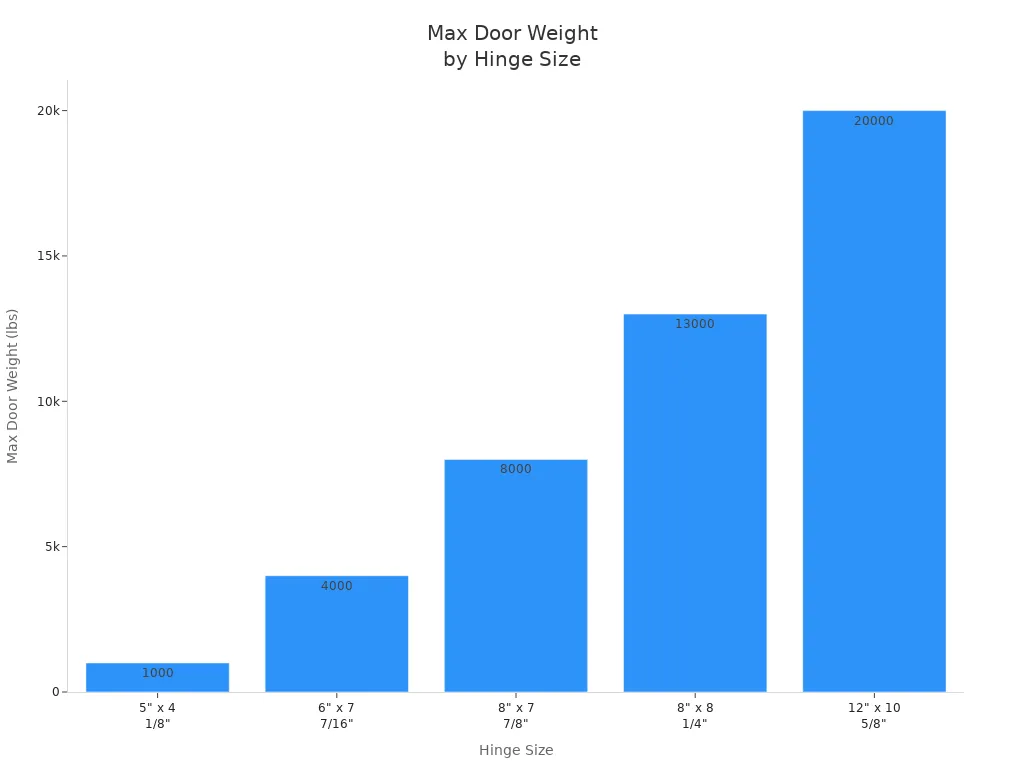
For oversized or heavy cabinet doors, select hinges with higher weight capacity to prevent sagging and ensure long-term performance.
TDC Stainless Steel Hinges deliver unmatched strength and reliability, making them the preferred solution for high-traffic and heavy-duty kitchen applications. When choosing kitchen cabinet door hinges, consider opening angle, soft-close/self-close features, material and finish, and door size and weight to achieve optimal functionality and durability.
Design Trends for 2026
Kitchen design in 2026 reflects a blend of innovation, timeless appeal, and environmental responsibility. Homeowners and designers focus on both aesthetics and function, making hardware selection more important than ever.
Modern Minimalism
Minimalism continues to dominate kitchen trends. Clean lines, flat cabinet doors, and panel-faced appliances create a seamless look. Many homeowners choose concealed hinges to eliminate visible hardware, which allows the cabinetry’s finish to stand out. Soft-close mechanisms add to the quiet, user-friendly environment. TDC Stainless Steel Hinges support this trend with their concealed mounting options and smooth operation.
Tip: For a true minimalist effect, match hinge finishes to cabinet colors or opt for monochrome schemes.

Classic Styles
Classic kitchens remain popular due to their timeless appeal. Transitional and traditional designs often feature inset doors, decorative moldings, and warm finishes. TDC Stainless Steel Hinges offer a range of finishes, such as polished brass and brushed nickel, that complement both classic and transitional cabinetry. Their durability ensures that even ornate or heavy doors operate smoothly for years.
Trend Category | Details |
|---|---|
Timeless Design | 72% favor transitional/timeless styles |
Statement Colors | Used in backsplashes, wallpaper, and islands |
Custom Kitchens | Dedicated beverage areas and smart storage are highly desired |
Sustainable Features
Sustainability shapes kitchen choices in 2026. Eco-friendly materials like recycled metals and low-VOC finishes are increasingly popular. TDC Stainless Steel Hinges are made from recyclable materials and have a long lifespan, reducing waste and environmental impact. Their resistance to corrosion also aligns with the demand for durable, sustainable kitchen cabinet door hinges.
Recycled materials and bamboo are common in hardware and cabinetry.
Long-lasting hinges minimize replacements and support green building goals.
TDC Stainless Steel Hinges fit seamlessly into modern, classic, and sustainable kitchen designs, making them a smart choice for the future.
Final Selection Checklist
Selection Steps
A systematic approach ensures you select the right kitchen cabinet door hinges for your project. Use this checklist to guide your decision:
Determine the required door opening angle for optimal access.
Match the hinge finish to your existing hardware for a cohesive look.
Evaluate cabinet functionality based on daily usage and traffic.
Assess the ease of installation, especially if using prebored doors.
Set a clear budget to streamline your options.
Consider future maintenance and prioritize long-term durability.
Tip: Review each step before making a final purchase to avoid common installation errors.
Sourcing TDC Hinges
Securing authentic TDC Stainless Steel Hinges guarantees performance and compliance. Follow these best practices:
Purchase directly from TDC’s official website for bulk or project orders.
Request compliance documentation with your order if needed.
Verify certifications such as ISO 9001, IATF 16949, CE Marking, and Fire-Rating Certifications.
Confirm that each hinge meets industry standards for safety and quality.
Authentic TDC Stainless Steel Hinges include relevant certification details upon request, ensuring you receive products that meet rigorous standards.
Selecting the right kitchen cabinet door hinges involves careful measurement, matching finishes, and considering daily use. TDC Stainless Steel Hinges offer:
Enhanced security with welded connections
Outstanding durability and rust resistance
Use the checklist for confident choices. Explore TDC’s full range for your next project.
FAQ
How do you fix a loose door hinge on a kitchen cabinet?
Tighten the screws with a screwdriver. If the screw holes are stripped, fill them with wood filler or toothpicks, then reinsert the screws.
How do you repair kitchen cabinet door hinge holes?
Remove the hinge. Fill the hole with wood filler or a wooden dowel. Let it dry, sand smooth, then reinstall the hinge with new screws.
How do you adjust kitchen cabinet door hinges?
Tip: Use a screwdriver to turn the adjustment screws.
Turn the side screw for left-right movement.
Turn the depth screw for in-out adjustment.
Turn the height screw for up-down alignment.
Related articles
-
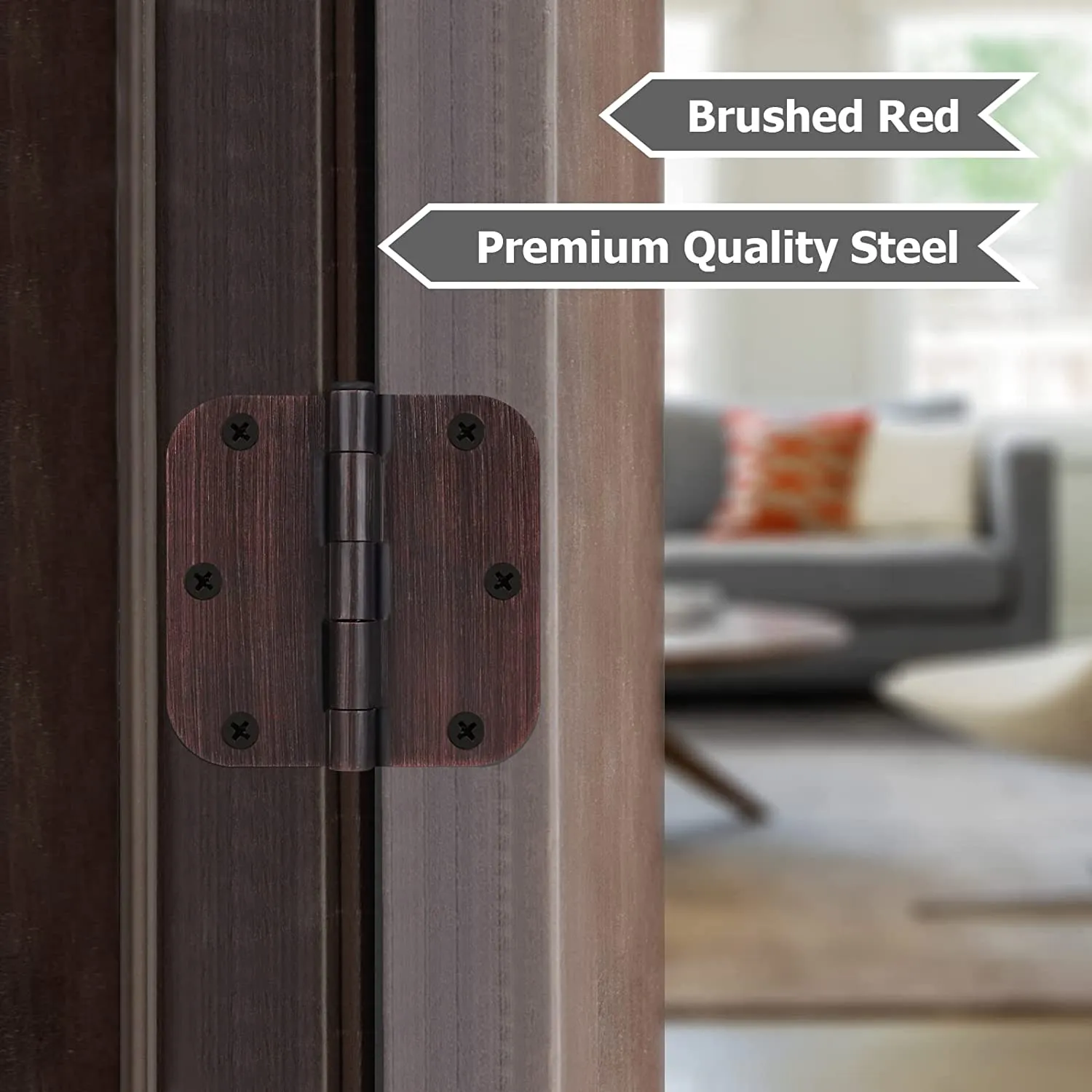
The Benefits of Using Hinges with Ball Bearings for Smooth Door Operation
Hinges with ball bearings ensure smooth, quiet door operation, reduce friction, boost durability, and minimize maintenance for residential and commercial use.Feb-28-2026 Learn More >> -

TDC soft close cupboard door hinges help cabinets stay new
Soft close cupboard door hinges prevent slamming, reduce noise, and extend cabinet life by protecting surfaces and ensuring smooth, safe operation.Feb-28-2026 Learn More >> -
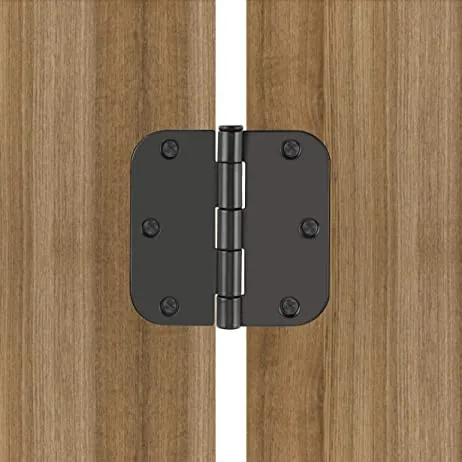
TDC Five Key Factors When Picking Exterior Door Hinges
Choose door hinges exterior with the right material, finish, and security features for lasting durability, weather resistance, and smooth operation.Feb-28-2026 Learn More >>

Contact
Tel: +8615026919634
Email: allen@tdc-hardware.com
Add: 12819 Telegraph Road Santa Fe Springs, CA 90670
Follow Us:


