
TDC Complete Guide to Cupboard Door Hinges for 2026
TDC Complete Guide to Cupboard Door Hinges for 2026
The right cabinet hinge depends on your cabinet style, door overlay, and features you want. Cabinets today include Slim Shaker, European Frameless, and Flat Slab Doors. Choosing hinges involves knowing your cabinet construction and overlay. TDC offers cabinet hinges for every need, with types of hinges for cupboard doors that ensure durability and smooth operation.
Benefit | Residential Projects | Commercial Projects |
|---|---|---|
Durability | Long-lasting performance | High-traffic durability |
Low Maintenance | Reduced upkeep | Less frequent maintenance |
Quiet Operation | Smooth and silent doors | Essential for professionals |
Customization | Tailored for home style | Adaptable for large projects |
TDC hinges fit cabinets in homes or businesses. Find the right cabinet hinge and cabinet hinges with TDC’s wide range. Each hinge meets strict quality standards. Select the best hinge for your cabinet and enjoy reliable performance.
Identify Your Cabinet and Door Style
Face Frame vs. Frameless Cabinets
Cabinets come in two main types: face frame and frameless. Face frame cabinets have a frame attached to the front, which gives extra strength and makes mounting hinges easier. Hinges for these cabinets attach directly to the frame. Frameless cabinets do not have a front frame. Hinges mount directly onto the cabinet box. This requires careful alignment for a smooth fit. Frameless cabinets often appear in modern kitchens and offices.
Face frame cabinets: Hinges mount on the frame.
Frameless cabinets: Hinges mount on the cabinet box, needing precise installation.
Door Overlay Types
The door overlay style affects hinge selection. There are three main cabinet door overlay options. Each overlay changes how much of the cabinet frame is visible.
Overlay Type | Description | |
|---|---|---|
Partial overlay | Smaller doors that reveal part of the face frame. | Partial overlay hinges |
Full overlay | Larger doors that cover the face frame completely. | Full overlay hinges |
Inset overlay | Doors sit flush with the face frame, no overlay. | Inset hinges |
Partial overlay is common in kitchens. Partial overlay hinges allow part of the frame to show. Full overlay covers the frame, giving a seamless look. Cabinet door overlay style matters when choosing hinges.

Measuring for Cabinet Hinge Fit
Accurate measurement ensures proper hinge installation. Measure from the top and bottom of the doors to the center of each hinge. Use the 3⁄4" overlap rule for partial overlay installations. For full overlay, calculate the door width based on the cabinet opening. Take photos and label parts during removal. Make sure cabinets are square and plumb before installing hinges. Factory boring for hinge holes helps avoid mistakes. If drilling yourself, place holes 3.5 inches from the top and bottom. Mounting plates should sit 2.25 inches from the cabinet edge. These steps help match the cabinet door overlay style and ensure a perfect fit.
Types of Hinges for Cupboard Doors
Choosing the right types of hinges for cupboard doors is essential for both function and style. TDC offers a wide variety of cabinet hinges, each designed for specific cabinet styles and needs. The following sections explain the most common types of cabinet hinges, their best uses, and how TDC’s advanced hinge solutions stand out in the market.
Concealed (European) Hinges
Concealed hinges, also known as European hinges, are the most popular choice for modern cabinetry. These hinges remain hidden when the door is closed, giving cabinets a clean and seamless appearance. In 2026, concealed hinges hold the largest market share among all types of hinges for cupboard doors.
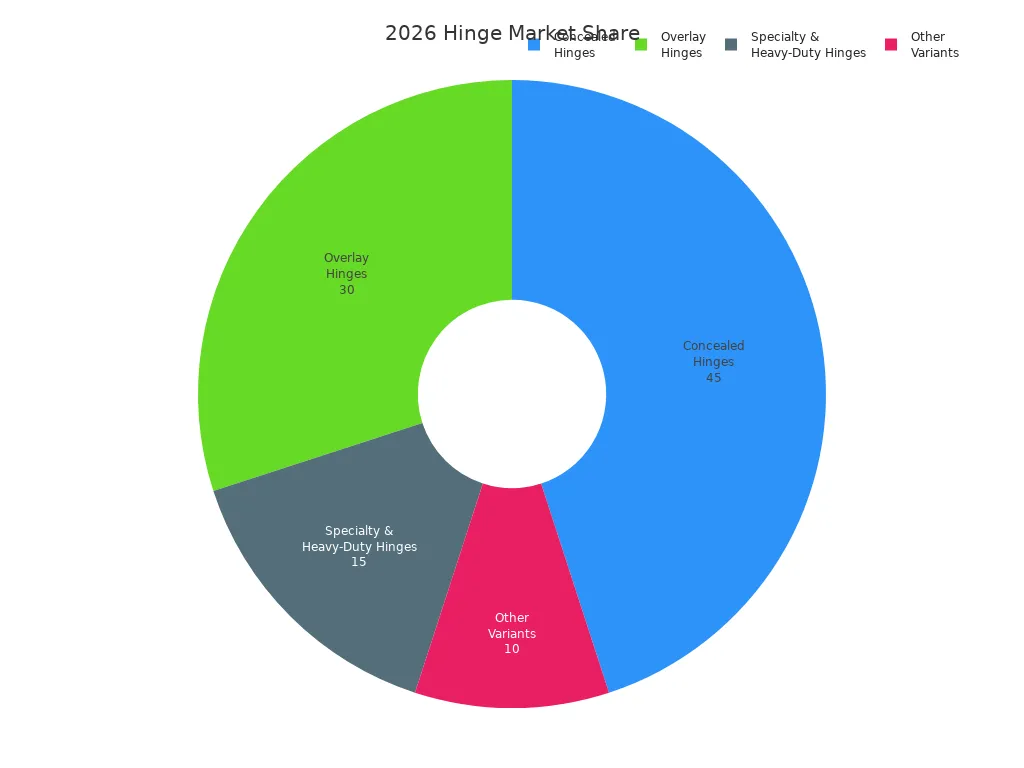
Hinge Type | Market Share | Description |
|---|---|---|
Concealed Hinges | 45% | Favored for aesthetic appeal and functionality. |
Overlay Hinges | 30% | Prominent in kitchen and office furniture. |
Specialty & Heavy-Duty Hinges | 15% | Used in commercial and industrial applications. |
Other Variants | 10% | Includes soft-close, self-closing, and pivot hinges. |
Concealed hinges offer several advantages:
They create a modern, streamlined look for cabinets.
Easy adjustability allows for perfect alignment of cabinet doors.
Available in many styles to fit different cabinet designs.
Many models include soft-close features for quiet operation.
Durable and robust, making them ideal for high-traffic areas.
Concealed hinges are easy to install and adjust. If a cabinet door becomes misaligned, a simple adjustment with a screwdriver can fix it. TDC’s concealed hinges come in multiple sizes and finishes, with options for soft-close and self-close features. These hinges are perfect for kitchens, bathrooms, and office furniture where a sleek look is important.
Tip: Concealed hinges work best with frameless cabinets and full overlay doors, but TDC offers models for face frame cabinets as well.
Overlay Hinges
Overlay hinges are another common choice for cupboard doors. These hinges attach to the outside of the cabinet frame and are visible when the door is closed. Overlay hinges are especially popular in kitchen and office furniture.
Feature | Overlay Hinges | Inset Hinges |
|---|---|---|
Price | More affordable | Higher cost |
Installation | Easy for DIY projects | Often requires professional help |
Adjustability | Adjustable post-installation | Limited adjustability |
Aesthetic | Traditional look | Sleeker, modern look |
Overlay hinges are valued for their affordability and ease of installation. Many homeowners choose overlay hinges for DIY projects because they do not require special tools or skills. These hinges allow for some adjustability after installation, making it easier to align doors. TDC’s overlay hinges come in a range of finishes and sizes, with options for both partial and full overlay doors. They are a reliable choice for traditional cabinets and are often used in residential and commercial settings.
Note: Overlay hinges are ideal for partial overlay and full overlay cabinet doors. TDC’s overlay hinge selection includes models with quiet close technology for added convenience.
Pivot and Barrel Hinges
Pivot and barrel hinges are specialty types of hinges for cupboard doors. Pivot hinges allow the door to rotate on a single point at the top and bottom, while barrel hinges are small and cylindrical, often used for lightweight doors or decorative applications.
Durability and maintenance are important considerations for these hinges:
The pivot point is not continuous, so careful alignment is needed to prevent binding.
Not suitable for exterior doors in harsh environments due to corrosion risk.
The weight of the door rests on a single pivot, which can lead to sagging over time.
Wood doors may warp, and edges can become damaged from impacts.
Servicing pivot hinges can be challenging, increasing long-term costs.
Wider doors may require extra pivots for stability.
Hinge Material | Strength | Corrosion Resistance | Recommended Use |
|---|---|---|---|
Stainless Steel | Very Strong | High | Heavy-duty exterior doors/gates |
Galvanized Steel | Strong | High | Outdoor gates, rust-prone areas |
Aluminum Hinges | Moderate | Low to moderate | Lightweight gates and doors |
TDC manufactures pivot and barrel hinges using high-quality materials, including stainless steel for maximum strength and corrosion resistance. These hinges are best for specialty cabinets, display cases, and certain commercial applications where unique movement or compact size is needed.
Spring and Stainless Steel Hinges
Spring hinges and stainless steel hinges are designed for durability and long life. Spring hinges use an internal spring to close the door automatically, making them ideal for self-closing cabinet doors in kitchens, offices, and commercial spaces. Stainless steel hinges are known for their superior corrosion resistance and strength, especially in environments exposed to moisture or salty air.
Feature | Stainless Steel Hinges | Spring Hinges |
|---|---|---|
Corrosion Resistance | Protective layer that fights rust from salty air | Not specified |
Longevity | Stay strong and look good for a long time | Not specified |
Ideal Environments | Coastal areas, marine environments, pools | Not specified |
Stainless steel hinges from TDC feature a protective layer that resists rust, even in coastal or marine environments. These hinges require less maintenance and last longer than standard steel hinges. TDC’s spring hinges are engineered for smooth, reliable operation and are available in various sizes and finishes. Both types are suitable for heavy-duty doors and high-traffic areas, making them a top choice for commercial and residential projects.
TDC’s product range includes rust-proof heavy-duty designs, quiet close technology, and modern designer finishes. TDC offers customization for all types of hinges for cupboard doors, ensuring the right fit for any project.
Summary Table: TDC Hinge Innovations vs. Competitors
Feature | TDC Hinge Innovations | Competitors' Hinges |
|---|---|---|
Rust-proof heavy-duty design | Yes | Varies |
Quiet close technology | Yes | Limited availability |
Modern designer finishes | Yes | Often traditional styles |
Durability | High | Varies |
Versatility | Indoor and outdoor use | Typically limited to one use case |
TDC stands out by offering a complete range of types of hinges for cupboard doors, with options for every cabinet hinge type. Whether you need concealed, overlay, pivot, barrel, spring, or stainless steel hinges, TDC provides high-quality, customizable solutions for any application.

Choosing the Right Cabinet Hinge
Selecting the best cabinet hinge for your project involves understanding several important factors. Each type of hinge offers unique benefits for different cabinets, overlays, and door styles. TDC provides a wide range of cabinet hinges, including options for customization and strict quality control. This section will help you compare features and make informed choices for your cabinets.
Concealed vs. Exposed Hinges
The appearance and function of hinges can change the look and feel of your cabinets. Concealed hinges, also called European hinges, remain hidden when the door is closed. Exposed hinges are visible and can add a decorative touch, but they may interrupt the clean lines of modern cabinets. The table below compares these two types:
Feature | Concealed Hinges | Exposed Hinges |
|---|---|---|
Appearance | Provides a clean, modern look; blends seamlessly with surroundings | Disrupts visual continuity; may have decorative elements but lacks subtlety |
Security | Less susceptible to tampering; no accessible pins | More vulnerable to tampering; removable pins can be exploited |
Adjustability | 3D adjustable; allows for precise alignment and easy adjustments | Limited adjustability; may require shims for proper fitting |
Durability | Protected from environmental factors; longer lifespan | More susceptible to wear and tear; requires frequent maintenance |
Load Capacity | Supports substantial weights; suitable for heavy doors | Significant load capacity but may need additional hinges for heavy doors |
Cost | Generally more expensive due to complex design | More budget-friendly and easier to install |
Concealed hinges work well for full overlay and inset doors, especially in kitchens with a modern style. Exposed hinges suit traditional cabinets or when you want a decorative accent. TDC offers both types, with options for soft-close and snap-close features.
Motion Features (Soft-Close, Self-Close)
Motion features improve the user experience and protect your cabinets. Soft-close hinges use a damping system to slow the door as it closes, preventing slamming. Self-close hinges pull the door shut with a gentle push, making sure doors do not stay open. These features offer several benefits:
Soft-close hinges reduce noise and protect fragile items inside cabinets.
Self-close hinges keep doors closed, maintaining a neat look and keeping dust out.
Both types extend the life of cabinets by minimizing wear and tear.
Soft closing hinges are ideal for high-traffic areas like kitchens and offices.
Snap-close and snap-closing hinge designs add convenience, especially for busy families.
TDC’s cabinet hinges include soft-close, self-close, and snap-close options. These features are available for overlay and inset doors, giving you flexibility for any cabinet style.
Material and Finish Options
The material and finish of your cabinet hinge affect both durability and appearance. In 2026, popular choices include high-gloss thermofoil, matte laminate, woodgrain-textured MDF, and solid wood veneer. The table below highlights these options:
Material | Description |
|---|---|
High-gloss thermofoil | Dramatic, reflective surface; shows fingerprints; suits modern luxury |
Matte laminate | Low-maintenance, sophisticated, hides wear better |
Woodgrain-textured MDF | Offers authentic wood appearance at engineered wood price point |
Solid wood veneer | Premium option for high-end projects |
TDC offers cabinet hinges in a variety of finishes, including stainless steel for rust resistance and designer colors to match your hardware. Matching the hinge finish to your cabinet hardware creates a cohesive look. Customization is available for large projects or unique designs.
Door Weight and Thickness
The weight and thickness of your cabinet doors determine the type of hinge you need. Heavier doors require stronger hinges and sometimes more hinges for support. The table below shows recommendations:
Door Weight | Recommended Hinge Material | Minimum Thickness |
|---|---|---|
Light (<5 lbs) | Steel, Brass | 1.5mm |
Medium (5-15 lbs) | Stainless Steel, Heavy Brass | 2.0mm |
Heavy (>15 lbs) | Heavy-Duty Steel, Reinforced | 3.0mm+ |
The thickness of the door also affects hinge size. For example:
3-inch hinges work best for lightweight interior doors.
3.5-inch hinges fit most standard interior doors with 1 3/8-inch thickness.
4-inch hinges support heavy doors or exterior doors with 1 3/4-inch thickness.
4.5-inch or larger hinges are needed for very heavy, thick doors, usually 2 inches or more.
TDC’s cabinet hinges are engineered for strength and reliability. Stainless steel and heavy-duty options are available for commercial cabinets and large overlay doors.
Installation and Adjustability
Proper installation ensures smooth operation and long-lasting performance. Common challenges include misalignment, rust, noise, incompatibility, and over-rotation. The table below lists these issues and solutions:
Installation Challenge | Description | Solution | Adjustability Feature |
|---|---|---|---|
Misalignment | Doors do not close properly or are uneven. | Adjust the hinge screws or reposition the hinges on the door. | Self-closing hinges for better alignment. |
Rust and Corrosion | Hinges show signs of rust, affecting performance. | Apply a rust cleaner and lubricate the hinges. | Stainless steel or corrosion-resistant hinges. |
Noise | Hinges creak or squeak when opening or closing. | Lubricate the hinges with silicone or WD-40. | Low-friction hinges designed to reduce noise. |
Incompatibility | Existing hinges do not fit the cabinet design. | Check hinge specifications and potentially modify the cabinet. | Universal hinges that fit various designs. |
Over-rotation | Doors swing too far open or closed. | Install a stop mechanism or adjust hinge placement. | Soft-close hinges with built-in damping system. |
TDC’s cabinet hinges feature 3D adjustability for precise alignment. This makes installation easier and helps avoid common mistakes, such as failing to measure or choosing the wrong hinge for your cabinet. Always check the overlay, door weight, and hinge specifications before installation.
Tip: For inset doors, use concealed hinges with soft-close or snap-close features for the best results. TDC’s quality control ensures every hinge meets high standards, so your cabinets operate smoothly for years.
Types of Cabinet Hinges in Modern Design
Minimalist and Handleless Trends
Modern cabinet design in 2026 focuses on clean lines and uncluttered surfaces. Minimalist styles are gaining popularity, with 60% of people expecting this trend to grow. Handleless cabinetry is a key feature, using push-open hinges, concealed edge pulls, and integrated finger grooves. These options create a seamless look. Full overlay and partial overlay doors both benefit from these advanced hinge systems. Push-open hinges allow users to open cabinet doors with a gentle touch, removing the need for handles. Full overlay hinge designs are especially common in kitchens that want a sleek, modern appearance.
Matching Hinges to Hardware
Choosing the right hinges for your cabinet hardware is important for both function and style. Matching the finish and style of the hinge to the cabinet hardware creates a cohesive look. A full overlay hinge should blend with the cabinet’s handles or pulls. This approach gives the room a refined and consistent atmosphere. Hinges should match the door style, whether you use full overlay, partial overlay, or inset doors. A well-matched hinge and hardware set can elevate the entire cabinet design.
Tip: Select hinges that complement your cabinet’s finish for a unified appearance.
Durability and Sustainability
Durability is a top priority for modern cabinet hinges. Stainless steel and brass are preferred materials because they resist daily wear and corrosion. Full overlay and partial overlay hinges made from these materials last longer and require less maintenance. Sustainability is also important. Many hinges now use recycled metals or low-VOC finishes. Some cabinet hardware even includes bamboo or other eco-friendly materials. Long-lasting hinges reduce the need for replacements, supporting green building goals and reducing waste.
Quick Reference for Hinges Selection
Hinge Type vs. Cabinet Style Chart
Selecting the right hinges for your cabinet depends on the cabinet style and the type of overlay you want. The chart below shows the most common hinge types for each cabinet style in 2026:
Cabinet Style | Common Hinge Types |
|---|---|
Inset | Butt hinge, surface mount, inset European |
Full Overlay | Full and partial wraparound, flush mount, surface mount, full overlay European |
Partial Overlay | Full and partial wraparound, flush mount, surface mount, partial overlay European |
For specific situations, the table below helps match your cabinet and overlay needs with the best hinge:
Your situation | Best first choice | Why it fits |
|---|---|---|
Frameless, full overlay | European concealed, straight arm | Clean look, 3-way adjust, soft-close options |
Frameless, half overlay | European concealed, half crank | Positions door correctly and keeps even reveals |
Frameless, inset | European concealed, full crank or invisible | Flush finish with clean lines |
Face-frame, full overlay | European concealed with frame plate or partial-wrap | Clears the frame and aligns fast |
Face-frame, partial overlay | Semi-concealed or partial-wrap | Classic look with simple install |
Face-frame, inset | Butt, invisible, or inset Euro with frame plate | Premium flush face and strong support |
Corner lazy Susan bi-fold | Corner Euro set with 170° frame hinge | Wide access and smooth folding |
Heavy or tall door | Three Euro hinges or a piano hinge | Spreads load and reduces sag |
Tip: Cupboard hydraulic hinges work well for heavy doors and prevent slamming. Concealed hinges give a modern look but need careful alignment.
Fast Selection Checklist
Use this checklist to choose the right hinge for your cabinet:
Gather all tools and materials.
Choose hinges that match your cabinet style and overlay.
Measure where the hinges will go.
Pre-drill holes to avoid splitting wood.
Use the correct screws for secure installation.
Understand the cup style and bore distance for your overlay.
Pick hinges with features like soft-close if needed.
This quick guide helps you select the best hinges for any cabinet project.
To select the right TDC hinge, follow these steps:
Identify your cabinet style and door type.
Choose the hinge based on weight, material, and opening angle.
Consider features like soft-close and adjustability.
TDC ensures quality, customization, and fast delivery. The right hinges improve both function and style.
FAQ
What is the difference between soft-close and self-close hinges?
Soft-close hinges slow the door before closing, preventing slamming. Self-close hinges pull the door shut automatically. Both options help protect cabinets and improve convenience.
How do I choose the right hinge for heavy cabinet doors?
Check the door’s weight and thickness. Use a heavy-duty hinge for strong support. Stainless steel options from TDC work well for large or commercial cabinets.
Can I install new hinges on old cabinets?
Yes. Remove the old hardware, measure carefully, and match the new hinges to your cabinet style. TDC offers solutions for both modern and traditional cabinets.
Related articles
-
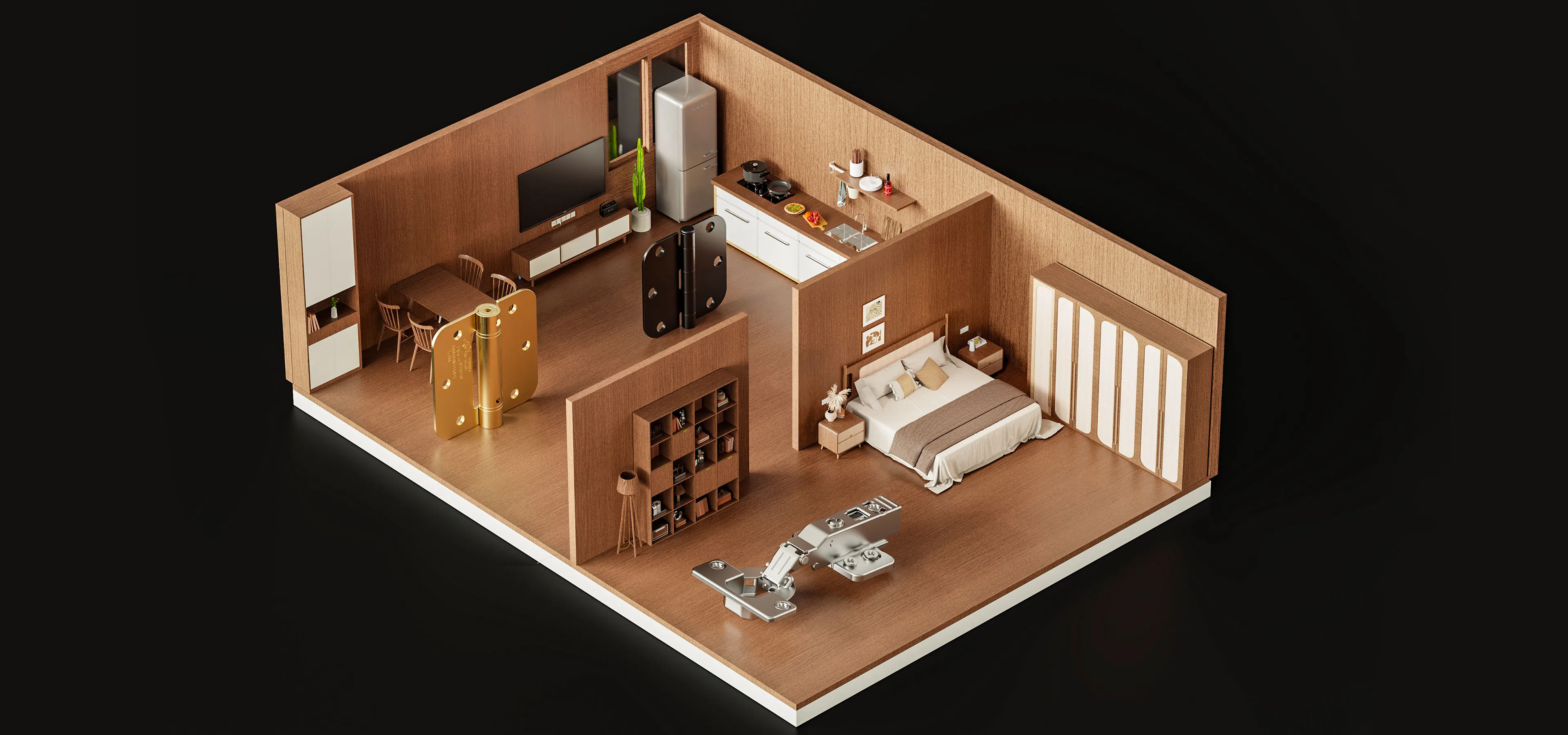
The Benefits of Installing Cupboard Self Closing Hinges in Your Kitchen
Cupboard self closing hinges boost kitchen safety, reduce noise, protect cabinets from damage, and offer easy DIY installation for lasting value.Mar-03-2026 Learn More >> -
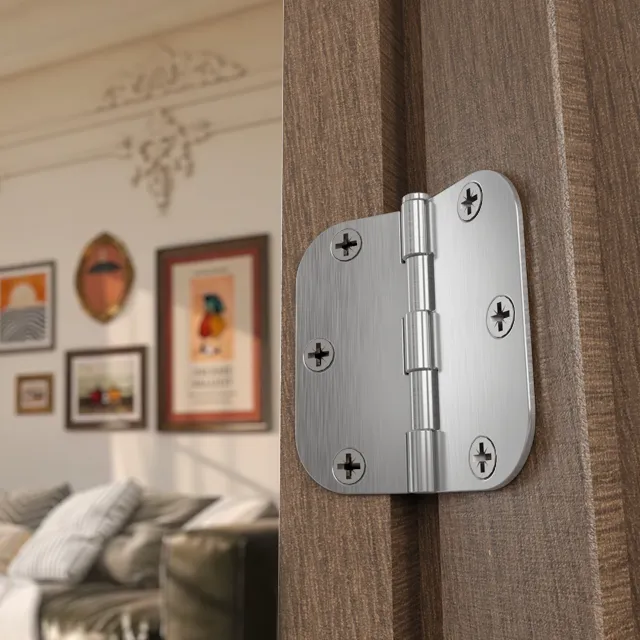
TDC Guide to Choosing Kitchen Cabinet Door Hinges for 2026
Choose the best kitchen cabinet door hinges for 2026 by considering cabinet type, overlay, durability, and style for a perfect fit and long-lasting use.Mar-03-2026 Learn More >> -
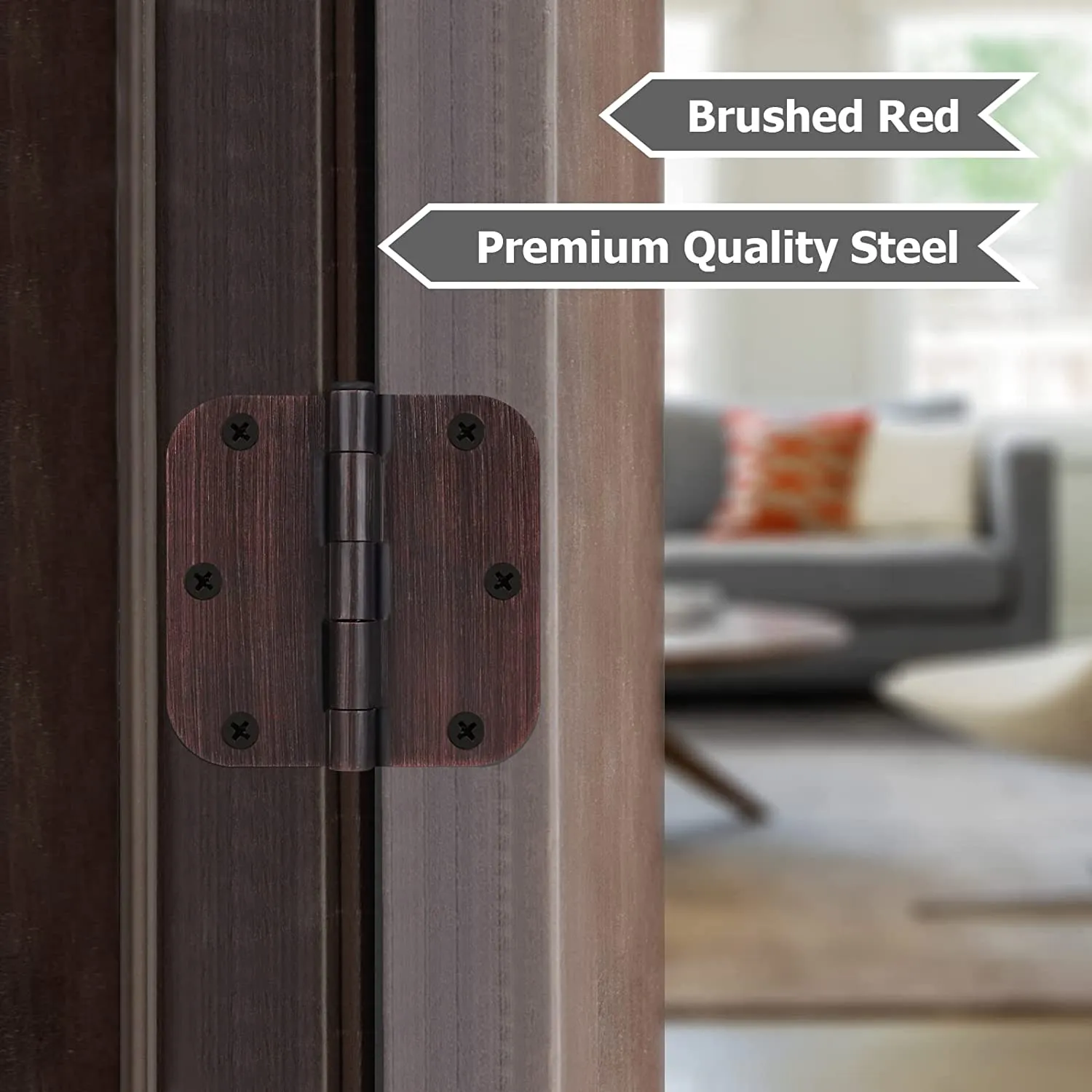
The Benefits of Using Hinges with Ball Bearings for Smooth Door Operation
Hinges with ball bearings ensure smooth, quiet door operation, reduce friction, boost durability, and minimize maintenance for residential and commercial use.Mar-03-2026 Learn More >>

Contact
Tel: +8613325838282
Add: 12819 Telegraph Road Santa Fe Springs, CA 90670
Follow Us:


