
Self closing hinges and their role in residential hinges
Self closing hinges and their role in residential hinges
Self-closing hinges use a spring or special mechanism to shut doors automatically. They help keep homes secure by preventing doors from being left open. These hinges add safety, make life more convenient, and support energy efficiency. TDC leads the market with high-quality solutions for residential hinges.
Self-closing hinges in residential hinges
What are self-closing hinges
Self-closing hinges are a type of hardware that automatically closes a door after someone opens it. Unlike traditional hinges, which require manual closing, self-closing hinges use built-in mechanisms such as springs or hydraulic systems. These features ensure the door returns to its closed position every time. Homeowners often choose self-closing hinges for their reliability and convenience in residential hinges. TDC, a leader in the hinge industry, offers a wide range of self-closing options designed for both interior and exterior doors.

How self-closing hinges work
Self-closing hinges use different mechanical systems to achieve automatic closing. The most common types include:
Spring-based hinges: These use coiled springs to store energy, making them durable and cost-effective.
Hydraulic hinges: These rely on fluid resistance to create a smooth, controlled closing motion, which works well for heavier doors.
Pneumatic hinges: These use air pressure for quiet and consistent operation, making them ideal for noise-sensitive spaces.
The spring mechanism in self-closing hinges operates through a simple process:
Step | Description |
|---|---|
Spring Tension | The hinge contains a spring that is tensioned to exert force for closing the gate. |
Opening the gate | Opening the gate compresses the spring, storing potential energy. |
Release of Energy | Upon releasing the gate, the stored energy in the spring is released, pulling the gate closed. |
Closing the gate | The unwinding spring pulls the gate back to the closed position, with speed determined by spring tension. |
Latching | The latch engages once the gate is closed, securing it in place. |
Recoil | Some hinges have a damping mechanism to slow the gate before it closes completely, preventing slamming. |
This mechanism ensures that doors in residential hinges close automatically, improving safety and convenience.
Benefits for residential hinges
Self-closing hinges offer several advantages for residential hinges:
They enhance security by preventing unwanted access to certain areas of the home.
They help maintain fire safety by ensuring fire-rated doors close automatically, stopping the spread of smoke and flames.
They reduce the risk of injuries for children and pets by preventing doors from slamming or staying open.
They support energy efficiency by keeping doors closed, which helps maintain indoor temperatures.
They contribute to acoustic management by reducing noise transfer between rooms.
They promote cleanliness by keeping dust and debris from entering through open doors.
Note: Self-closing hinges play a vital role in fire doors. They ensure doors close automatically, which is essential for stopping the spread of smoke and flames during a fire. This feature is especially important in high-traffic areas and helps homes comply with fire safety regulations.
TDC stands out in the market by offering a broad selection of self-closing hinges for residential hinges. Their products include stainless steel, ball bearing, and rustproof options. Homeowners and builders can choose from multiple sizes, finishes, and custom specifications. TDC’s commitment to quality and innovation makes them a trusted choice for both interior and exterior doors, including fire doors.
Choosing and installing residential hinges
Types of self-closing hinges
Homeowners can choose from several types of self-closing hinges for residential hinges:
Spring-loaded hinges use a spring to close the door automatically.
Hydraulic hinges offer a smooth, controlled closing action, perfect for heavy doors.
Adjustable tension hinges allow users to set the closing speed and force.
Concealed hinges, also called European hinges, stay hidden when the door is closed for a clean look.
TDC provides all these options, including stainless steel and ball bearing models for extra durability and smooth operation.
How to select the right hinge
Selecting the right hinge for residential hinges involves several factors:
Door thickness determines the hinge size.
Hinge placement affects how well the door works.
Swing direction guides the choice of hinge type.
Material and durability matter for long-term performance.
Weight capacity must match the door.
Adjustability helps control how the door closes.
Aesthetics should fit the door’s style.
Frequency of use impacts the hinge’s lifespan.
TDC offers factory-direct customization, so homeowners can match hinges to their specific needs.
Installation and maintenance tips
Proper installation ensures reliable performance:
Remove old hinges and mark new locations.
Drill holes for the new hinges.
Attach the hinges with screws.
Adjust tension if needed.
Test the door for smooth closing.
For maintenance, inspect hinges regularly, lubricate moving parts, clean off dust, tighten screws, and adjust as needed. Rustproof technology in TDC hinges reduces upkeep and extends life.
Comparing self-closing hinges to other types
Self-closing hinges provide automatic closure, which increases safety and convenience. They help keep doors closed, prevent accidents, and support fire safety. Unlike standard hinges, they require less maintenance and offer better energy efficiency. TDC’s bulk order and OEM solutions give builders and importers cost savings and fast delivery.
Self-closing hinges offer homeowners important benefits:
They improve safety by keeping doors closed and secure.
They add convenience and help save energy.
They support fire safety and privacy.
TDC’s reputation for quality makes them a smart choice. Homeowners should measure doors, select the right hinge, and follow installation steps for best results.
FAQ
How do self-closing hinges improve home safety?
Self-closing hinges keep doors shut automatically. They help prevent accidents and stop unauthorized entry. They also support fire safety by closing fire-rated doors.
Can TDC hinges fit any door size?
TDC offers many sizes and custom options. Homeowners can choose hinges that match their door’s thickness, weight, and style.
What maintenance do self-closing hinges need?
Regular cleaning and lubrication keep hinges working smoothly. TDC’s rustproof technology reduces the need for frequent maintenance.
Related articles
-
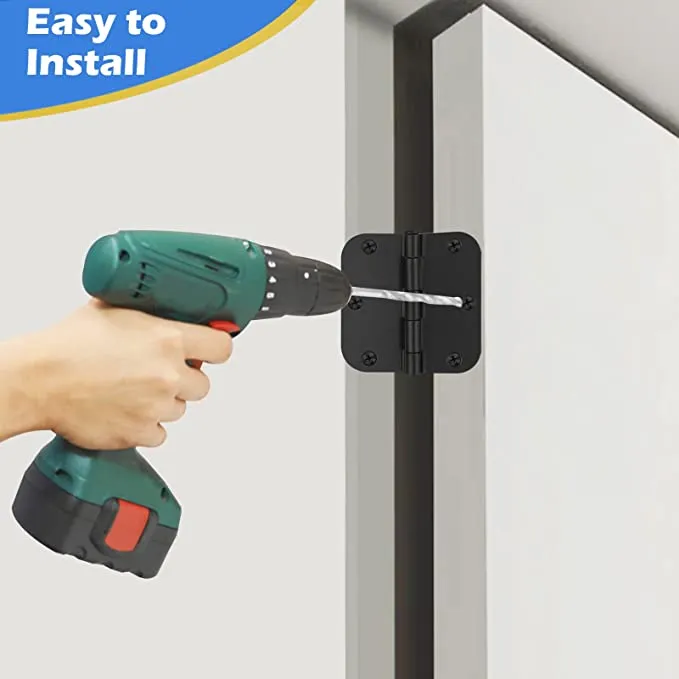
How to put hinges on a door
Put hinges on a door easily with step-by-step instructions, tool tips, and alignment advice for a secure, smooth-swinging door using quality TDC hinges.Mar-19-2026 Learn More >> -
How to measure a strap hinge length
Measure a strap hinge by placing your tape from the tip of the strap to the center of the pin and knuckle for accurate length and fit.Mar-19-2026 Learn More >> -
TDC Guide to Measuring Door Hinges Easily
Measure door hinges by checking height, width, thickness, and corner radius for a perfect fit. Use a tape measure and match screw hole patterns.Mar-19-2026 Learn More >>

Contact
Tel: +8615026919634
Email: allen@tdc-hardware.com
Add: 12819 Telegraph Road Santa Fe Springs, CA 90670
Follow Us:


