adjust self closing door hinge
adjust self closing door hinge
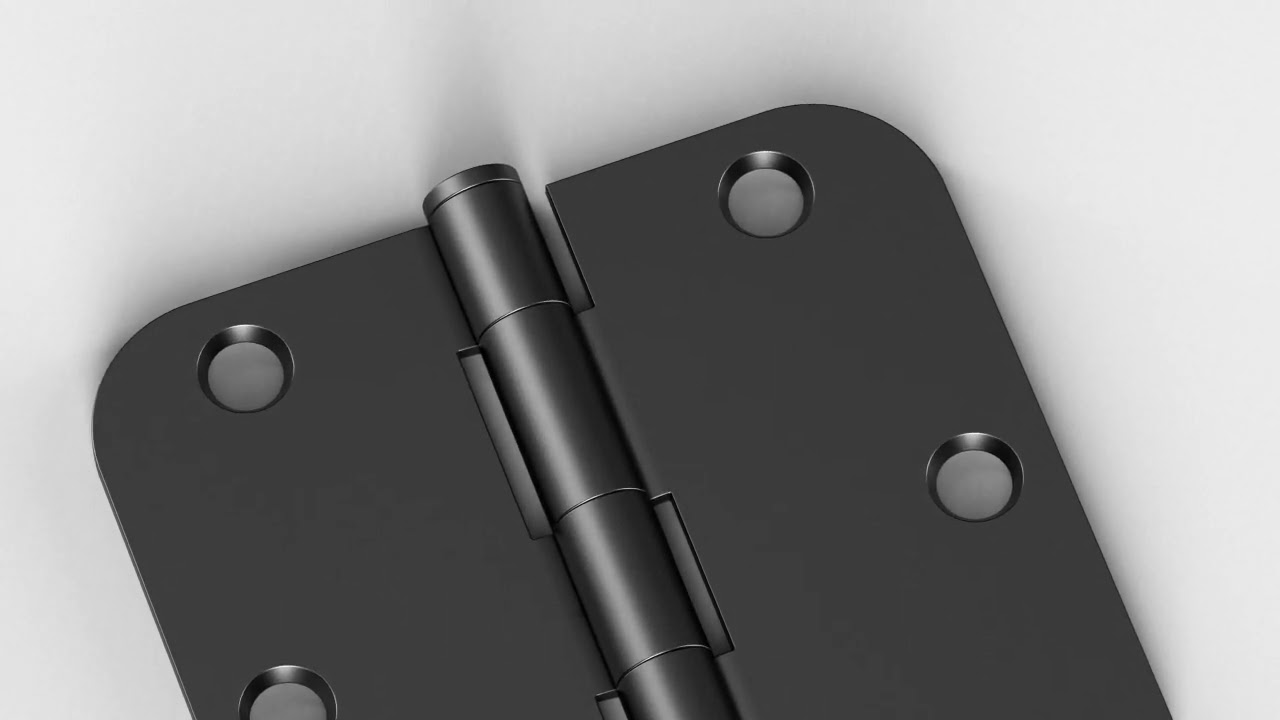
Adjusting a self-closing door hinge is a precise task essential for maintaining door functionality, safety, and longevity. According to hardware manufacturers like Hager, Stanley, and Sugatsune, a properly adjusted hinge ensures the door closes completely and securely every time, preventing energy loss, noise, and security gaps. Industry surveys indicate that nearly 30% of service calls for commercial doors relate to misadjusted self-closing mechanisms, often leading to premature wear of the door, frame, and hinge itself. The core components involved in adjustment typically include the closing speed control valve and the latching speed control valve, which regulate the swing and final closing action. Common tools required are a hex key or screwdriver, as specified by the hinge manufacturer. Incorrect adjustment, such as excessive tension, can strain hinges and cause structural stress, while insufficient tension fails to meet fire code or accessibility requirements in many jurisdictions. Data from building maintenance logs show that regular inspection and minor adjustment of these hinges can extend the hardware's service life by up to 50%, reducing replacement costs and downtime.
The adjustment process varies by hinge type (e.g., surface-mounted, concealed, floor spring) but follows universal principles. For standard hydraulic self-closing hinges, turning the adjustment screw clockwise generally increases closing speed and force, while counter-clockwise decreases it. A study of maintenance procedures highlights that adjustments should be made in quarter-turn increments, followed by testing the door's operation 5-10 times to observe the effect. For doors requiring compliance with ADA (Americans with Disabilities Act) standards, the opening force must not exceed 5 pounds, a parameter directly controlled by hinge adjustment. Furthermore, environmental factors like temperature fluctuations can affect hydraulic fluid viscosity, necessitating seasonal adjustments; data from facilities in temperate climates show a 40% increase in adjustment needs between summer and winter months. Problems like door slamming, failure to latch, or slow return often stem from misadjusted valves or air in the hydraulic system. Manufacturers' failure rate analyses indicate that over 60% of returned "faulty" self-closing hinges simply required recalibration rather than replacement. For heavy-duty or fire-rated doors, certified professionals should perform adjustments to ensure they meet strict safety standards, as improper calibration can void warranties and compromise safety ratings. Ultimately, mastering the adjustment of self-closing door hinges is a cost-effective skill that enhances door performance, ensures safety compliance, and prevents unnecessary hardware expenditure.

 40% Amazon Market Share
 Door Hinges Brand on Amazon
 Products Sold Worldwide

_7.webp)




User Comments
Service Experience Sharing from Real Customers
Michael Rodriguez
Facilities ManagerThese hinges solved a persistent problem in our office building. The self-closing adjustment was incredibly precise, allowing us to set the perfect closing speed for both heavy interior doors and lighter fire doors. Installation was straightforward, and the build quality is excellent. A game-changer for building maintenance.
Sarah Chen
Architectural DesignerSpecified these adjustable hinges for a recent restaurant project. They provided the reliable, gentle self-closing action we needed for high-traffic kitchen and restroom doors. The ability to fine-tune the tension on-site was crucial for achieving the right feel. Clients are happy with the smooth, quiet operation.
David Miller
HomeownerAs a DIYer, I was struggling with a bedroom door that wouldn't stay closed. This hinge kit was exactly what I needed. The instructions were clear, and the adjustment screw made it easy to get the closing force just right—not too loud or too weak. My door now closes perfectly every time. Highly recommend for any homeowner.
Jessica Williams
Clinic Office ManagerWe installed these on all our patient room doors in the clinic. The adjustable self-closing feature is fantastic for maintaining privacy and controlling noise without the loud slam of standard door closers. They've held up perfectly under constant use for months. Great product for healthcare environments where control and quiet are priorities.