Cabinet Strap Hinges: Maintenance, Selection, and Long-Term Reliability Guide
Maintenance of Cabinet Strap Hinges
Proper maintenance is crucial for ensuring the longevity and smooth operation of cabinet strap hinges, which are a visible and functional hardware component often used on decorative cabinets, chests, and certain furniture styles. Unlike concealed hinges, their exposed nature makes them susceptible to dust accumulation, tarnishing, and wear if not cared for correctly. Industry data from hardware manufacturers like Hettich and Blum suggests that a regular maintenance routine can extend the functional life of these hinges by decades, preventing common issues such as squeaking, stiffness, or sagging doors. The process involves a combination of regular cleaning, lubrication, and periodic inspection for mechanical wear. For brass or bronze finishes, which are common in strap hinge designs, maintenance also includes protecting the patina or polish from corrosive elements. Neglecting these steps can lead to premature failure, necessitating replacement, which can be costly and may require drilling new screw holes, potentially damaging the cabinet material. A systematic approach to maintenance not only preserves the hinge's mechanism but also its aesthetic appeal, which is a significant part of its design purpose.
The maintenance routine for cabinet strap hinges begins with a thorough and gentle cleaning process. Over time, grease, dust, and grime can build up in the pivot points and on the surface of the hinges, impeding movement and causing corrosion. It is recommended to use a soft, lint-free cloth dampened with a mild soapy water solution for cleaning. Harsh chemical cleaners, abrasives, or steel wool should be strictly avoided as they can permanently scratch and damage the protective finish, whether it is a polished brass, antique nickel, or powder-coated black. For stubborn grime in the knuckle and pivot areas, a soft-bristled brush, like an old toothbrush, can be used gently. After cleaning, the hinge must be dried completely with a separate clean cloth to prevent water spots and rust formation, especially on iron-based hinges or those with minor finish imperfections. The next critical step is lubrication, which is the key to silent and smooth operation. A silicone-based lubricant or a light machine oil is ideal; petroleum jelly is also a commonly used and effective option. A small amount should be applied to the pivot pin and the points where the strap rotates against the hinge plate. It is vital to wipe away any excess lubricant to prevent it from attracting more dust and creating a gummy residue. This cleaning and lubrication cycle should be performed every six to twelve months, or more frequently in high-humidity environments like kitchens or bathrooms. Furthermore, part of maintenance involves checking and tightening the screws. Over years of use, screws can work themselves loose due to the opening and closing motion. Using the correct screwdriver, gently tighten all screws on both leaves of the hinge. If a screw hole has become stripped and no longer holds the screw tightly, a simple fix involves filling the hole with a toothpick or specialized wood filler and then re-inserting the screw. For antique cabinets, this maintenance preserves both the hardware and the value of the furniture itself.
when to choose cabinet strap hinges
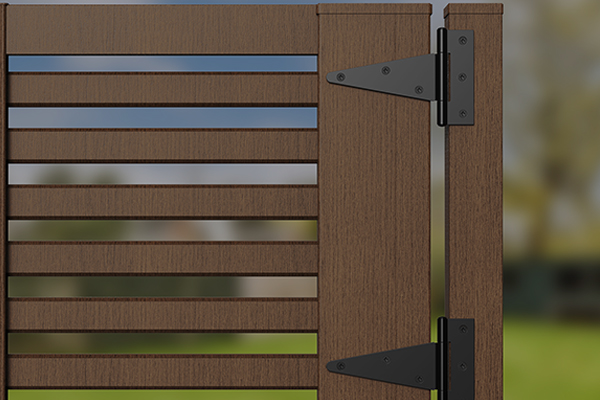
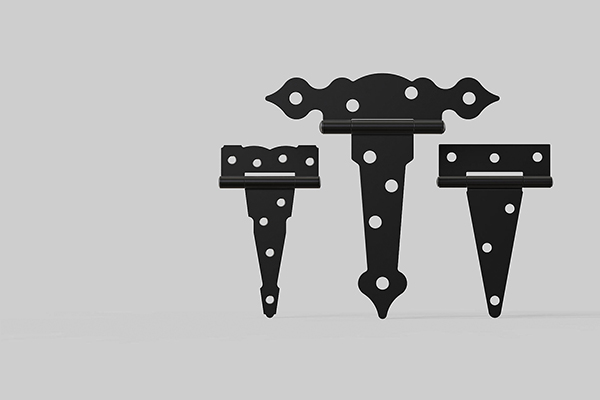
Cabinet strap hinges are not a universal solution for every cabinet but are a specific design choice with distinct functional and aesthetic applications. They are typically selected for projects where the hardware is intended to be a prominent visual feature rather than hidden. According to market analysis and product catalogs from major suppliers like Rockler and Woodcraft, the decision to use strap hinges is primarily driven by the cabinet's style, door size and weight, and the desired historical authenticity. They are a hallmark of traditional, rustic, farmhouse, and industrial design schemes. Functionally, their long strap plate provides superior support and load distribution, making them exceptionally suitable for heavy solid wood doors, large lids on chests or blanket boxes, and gates. When a cabinet door is particularly wide or heavy, standard butt hinges may struggle with the load, leading to sagging over time. The extended length of the strap hinge counters this by anchoring the weight across a larger area of the cabinet frame. Therefore, the choice is clear in situations demanding both decorative impact and robust mechanical performance. They are also the historically accurate choice for restoring antique furniture, where authenticity is paramount. Understanding the specific scenarios that call for strap hinges ensures a successful and durable cabinet installation.
The decision to install cabinet strap hinges is most appropriate in several key scenarios. Firstly, for style and aesthetics, if you are designing or refurbishing a cabinet in a rustic, farmhouse, industrial, or traditional style, strap hinges are an excellent choice. Their exposed, often decorative design adds character and an artisanal touch that concealed hinges cannot provide. Search trend data from platforms like Pinterest and Houzz consistently shows a high interest in "decorative cabinet hardware" for these design styles, with strap hinges being a top result. Secondly, for door size and weight, strap hinges are the preferred engineering solution for large, heavy doors. A common rule of thumb among cabinetmakers is that if a door is over 24 inches wide or made from solid wood over 1 inch thick, the reinforcement provided by a strap hinge is advisable. The long strap distributes the door's weight and the stress of opening and closing over a much larger section of the cabinet's frame, preventing the wood from splitting and the door from sagging. This makes them ideal for entertainment centers, armoires, large pantry doors, and furniture like hope chests. Thirdly, for specific furniture types, they are almost indispensable. Blanket chests, treasure chests, and jewelry boxes traditionally use strap hinges because they allow the lid to open fully to 180 degrees and provide the necessary strength for a lid that is lifted repeatedly. Furthermore, in renovation projects, if you are working with face-frame cabinetry where the door sits on the frame's exterior, strap hinges are a practical and attractive mounting option. Their surface-mount design requires no complex routing or mortising, making them a DIY-friendly option compared to European cup hinges. Finally, for historical restoration, using strap hinges is often the only way to maintain the authenticity and value of an antique piece. When any of these conditions—decorative prominence, heavy-duty support, or historical accuracy—are present, cabinet strap hinges are the unequivocally correct choice.
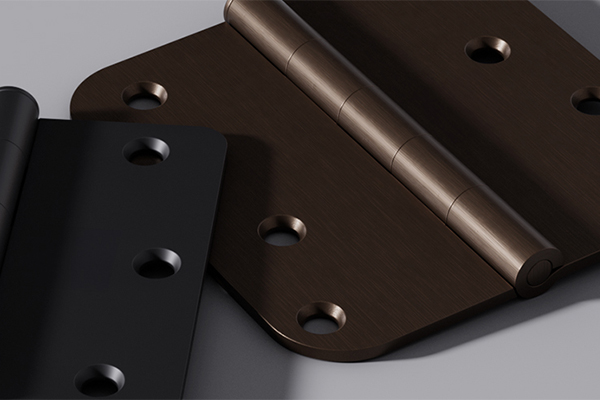
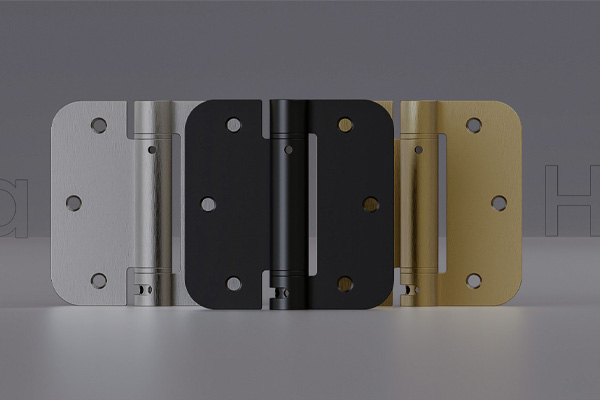
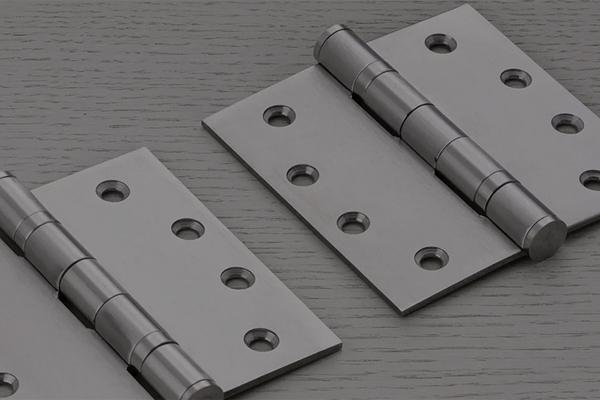
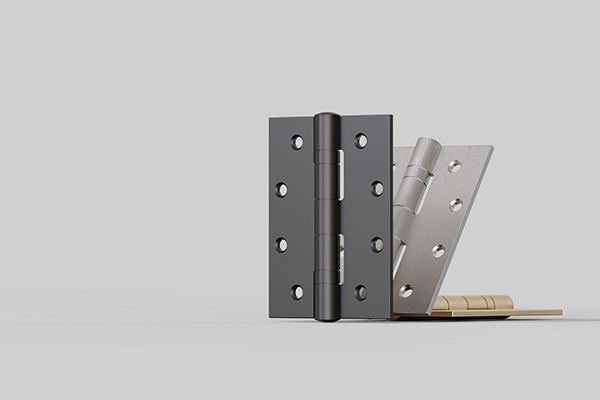

 40% Amazon Market Share
 Door Hinges Brand on Amazon
 Products Sold Worldwide

.webp)
_7.webp)




User Comments
Service Experience Sharing from Real Customers
Michael Thompson
CarpenterThese cabinet strap hinges are incredibly durable and easy to install. They provide excellent support for my heavy cabinet doors and the finish is flawless.
Sarah Chen
Interior DesignerPerfect combination of functionality and aesthetics! The brass finish looks premium and my clients love how smoothly these hinges operate on their custom cabinets.
David Rodriguez
Cabinet MakerHigh-quality strap hinges that hold up well under daily use. The installation was straightforward and they've maintained their appearance after months of use.
Jennifer Williams
Property ManagerExcellent value for money! These hinges have solved the sagging door issues in several rental properties. They're sturdy, reliable, and look professional.