
Choosing the Right Exterior Door Hinge: Key Features to Consider
Choosing the Right Exterior Door Hinge: Key Features to Consider
Selecting the right exterior door hinge requires attention to several features. The table below highlights key aspects buyers value:
Feature | Benefit |
|---|---|
Fixed Pins | Enhanced security |
Pin Material | Longevity, wear resistance |
Hinge Type | Structural integrity, visual appeal |
TDC’s reputation for quality and customization helps ensure the best fit for your door, environment, and specific needs.
Why Exterior Door Hinge Choice Matters
Security Benefits
The right exterior door hinge plays a critical role in protecting both residential and commercial properties. Security features such as non-removable pins, hospital tips, security studs, and concealed hinges help prevent unauthorized entry and tampering. The table below highlights some of the most effective security features found in modern hinges:
Feature | Description |
|---|---|
Non-removable Pins | Prevent the hinge pin from being removed when the door is closed |
Hospital Tips | Sloped knuckles that prevent items from being hung on the hinge |
Security Studs | Projections that interlock when the door is closed |
Concealed Hinges | Hidden from view when the door is closed |
These features add layers of protection, making it more difficult for intruders to bypass the door. Engineering standards also ensure that hinges meet safety and load capacity requirements, which is essential for passing inspections and adhering to building codes.
Durability Factors
A high-quality exterior door hinge supports the weight of heavy doors and withstands frequent use. In commercial buildings, hinges directly affect the longevity and operational stability of doors. Investing in durable hinges reduces the need for frequent replacements and repairs, saving both time and money. Manufacturers test hinges through cycle testing, load testing, and exposure to harsh environments to confirm their resistance to fatigue and corrosion. The table below shows the average lifespan of common hinge materials:
Hinge Material | Average Lifespan |
|---|---|
Stainless Steel | 10–20 years with maintenance |
Brass | Decades with light usage |
Zinc | Primarily indoor, moderate resistance |

Visual Appeal
The design of an exterior door hinge can enhance the overall look of an entryway. Homeowners and designers often select hinges that complement the style of the door and the building. Popular styles include minimalist flush doors for a modern appearance, intricately carved wooden doors for a traditional feel, and bold black doors for a striking contrast. Double doors with symmetrical hinges create an elegant and grand entrance. The right hinge not only supports the door but also adds to the curb appeal of any property.
Material Options
Choosing the right material for an exterior door hinge is essential for achieving optimal performance and longevity. TDC offers a comprehensive range of hinges crafted from steel, brass, and stainless steel, each selected for specific applications and environments. Advanced material control and rigorous quality assurance procedures ensure that every hinge meets industry standards for durability and reliability.
Steel Hinges
Steel hinges remain a popular choice for exterior doors due to their strength and cost-effectiveness. TDC’s steel hinges undergo strict raw material traceability and receive advanced anti-corrosion coatings, which enhance their resistance to harsh weather conditions. These coatings help prevent rust and deterioration, making steel hinges suitable for both residential and commercial installations.
Statistic | Description |
|---|---|
9.8% | Amputation rate in patients due to door entrapment and motorized cutters. |
3.4% - 11% | Range of hand amputations in children caused mainly by door entrapment. |
N/A | Installing a finger protection device on door hinges can prevent doors from closing unexpectedly. |
Steel hinges provide several benefits:
Enhance security by ensuring doors close automatically, reducing the risk of unwanted access.
Improve energy efficiency by maintaining indoor temperatures, leading to lower utility bills.
Provide weather protection by keeping doors tightly shut against drafts and moisture.
TDC’s specialty steel hinges feature advanced anti-corrosion coatings, ensuring consistent performance and minimal deterioration even in challenging environments.
Brass Hinges
Brass hinges offer a classic appearance and are often chosen for their decorative appeal. However, brass is less durable than steel or stainless steel, especially in humid or coastal environments. TDC’s brass hinges are manufactured with precision, but users should consider the material’s limitations when selecting hinges for exterior applications.
Material | Corrosion Resistance | Longevity | Durability |
|---|---|---|---|
Brass | Moderate | Compromised | Less durable |
Stainless Steel | High | Long-lasting | More durable |
Steel | High | Long-lasting | More durable |
Brass hinges may tarnish and develop a greenish patina in humid or salt-air environments. In high-traffic areas, brass hinges can sag or develop play at the pin after a few years of use. For properties near the coast, brass hinges may deteriorate rapidly, making them less suitable for exterior doors exposed to moisture.
Stainless Steel Hinges
Stainless steel hinges represent the pinnacle of durability and corrosion resistance. TDC’s stainless steel hinges are engineered for demanding conditions, including marine and industrial environments. These hinges feature built-in lubrication and ball bearings, delivering smooth operation and long-lasting performance.
Benefit | Description |
|---|---|
Corrosion Resistance | Stainless steel hinges resist rust and corrosion, making them ideal for humid or harsh environments. |
Strength and Durability | They are known for their strength and durability, suitable for demanding conditions like marine and industrial applications. |
Visual Appeal | Stainless steel hinges not only perform well but also have an attractive appearance, making them popular in various settings. |
Stainless steel hinges develop a protective coating that prevents rust, essential for structures exposed to moisture. High alloy grades are particularly effective in resisting corrosion under extreme conditions. TDC’s advanced material control ensures that every stainless steel hinge delivers consistent quality and reliability, making them the preferred choice for exterior door hinge applications where longevity and performance are critical.
Tip: For exterior doors in coastal or humid environments, stainless steel hinges provide unmatched protection against rust and corrosion.
TDC’s commitment to material excellence, combined with factory-direct customization and anti-corrosion technology, guarantees that every hinge is built to withstand the demands of its environment.
Finish and Weather Resistance
Popular Finishes
Selecting the right finish for an exterior door hinge is essential for both appearance and long-term performance. TDC offers a wide range of factory-direct finishes, allowing customers to match hinges to their architectural style and environmental demands. The finish not only defines the visual character of the hinge but also influences maintenance requirements and resistance to environmental wear.
The table below summarizes the most popular finishes for exterior door hinges, their appearance, durability, and recommended applications:
Finish Type | Appearance Characteristics | Long-Term Durability | Recommended Applications |
|---|---|---|---|
Satin Nickel | Soft Metallic | Moderate | Transitional / Classic / Modern Farmhouse |
Polished Chrome | Mirror-Like Shine | High, but fingerprints | Modern / Luxury / Commercial Spaces |
Antique Brass | Vintage Warm Tone | Moderate | Traditional / Rustic / Retro |
Matte Black | Rich Matte Texture | High | Modern Black Interior Doors |
Matte finishes, especially those applied through advanced electroplating, provide excellent protection against fading and environmental wear. Brushed finishes hide minor scratches and require less maintenance, making them ideal for high-traffic areas. Mirror-polished finishes enhance corrosion resistance but need regular cleaning to maintain their shine. TDC’s customization options ensure that every hinge can be tailored to the client’s preferred finish, supporting both aesthetic goals and functional requirements.
Note: The finish of a hinge directly affects its maintenance schedule. Matte and brushed finishes are easier to care for, while polished surfaces require more frequent cleaning to preserve their appearance.
Rustproof Protection
Weather resistance is a critical factor for exterior door hinges, especially in regions with high humidity, coastal air, or frequent rainfall. TDC hinges undergo rigorous salt spray testing to ensure superior corrosion resistance, exceeding many industry standards. Factory-direct finishes and weatherproof coatings protect hinges from rust, tarnish, and environmental degradation.
The following table compares TDC’s weather resistance features with typical industry standards:
Feature | TDC Hinges | Industry Standards |
|---|---|---|
Durability Testing | Rigorous salt spray testing for corrosion resistance | Varies by manufacturer |
Customization Options | Unlimited customization for specific needs | Limited options available |
Pricing Model | Factory-direct pricing with no middleman | Often includes distributor markups |
Customer Satisfaction | High satisfaction due to tailored solutions and cost savings | Varies widely among competitors |
TDC’s weatherproof coatings include advanced anti-corrosion layers and electroplated finishes. These treatments extend the lifespan of hinges, even in harsh environments. Stainless steel hinges, in particular, offer unmatched rustproof protection, making them ideal for exterior doors exposed to moisture and salt air.
Weatherproof coatings prevent oxidation and surface deterioration.
Electroplated finishes resist fading and maintain color integrity.
Anti-corrosion layers ensure hinges perform reliably year after year.
TDC’s commitment to customization allows clients to select finishes and coatings that best suit their climate and usage patterns. This flexibility, combined with factory-direct pricing, delivers both performance and value.
Tip: For exterior doors in coastal or humid environments, select hinges with advanced rustproof coatings and electroplated finishes to maximize longevity and maintain visual appeal.
Hinge Types
Choosing the right hinge type is essential for the performance and longevity of any exterior door hinge. Each hinge type offers unique features that suit different door weights, usage frequencies, and security needs.
Standard Hinges
Standard hinges are the most common choice for residential doors. They feature a simple design with two leaves and a central pin. For exterior doors, standard hinges often include reinforced knuckles and non-removable pins to enhance security. These hinges support moderate loads and provide reliable operation for most entryways.
Feature | Benefit |
|---|---|
Non-removable pins | Deters burglars from lifting off the door |
Security studs | Keeps the door attached to the frame |
Tamper resistance | Prevents unauthorized access to hinge pins |
Durable materials | Increases strength against tampering |
Standard hinges made from weather-resistant materials, such as stainless steel, meet industry standards for outdoor durability and corrosion resistance.
Spring Hinges
Spring hinges contain an internal spring mechanism that automatically closes the door after opening. These hinges are ideal for fire-rated doors, office exits, and areas where safety and energy efficiency are priorities. Spring hinges help maintain indoor temperatures and reduce energy loss by ensuring doors close securely every time.
Benefit/Application | Description |
|---|---|
Automatic Closure | Ensures doors close automatically, reducing manual effort |
Safety | Enhances fire safety by closing doors promptly |
Energy Efficiency | Maintains indoor climate by keeping doors closed |
Versatility | Suitable for residential, commercial, and industrial applications |
Facilities that require ADA compliance or fire safety often use spring hinges for added convenience and protection.
Ball Bearing Hinges
Ball bearing hinges are engineered for heavy or high-traffic doors. They use ball bearings between the hinge knuckles to reduce friction, resulting in smoother and quieter operation. These hinges are ideal for solid wood, metal, or glass doors that weigh over 100 pounds.
Feature | Benefit |
|---|---|
Reduces rotational friction | Allows doors to open and close effortlessly, even under heavy loads |
Ideal for heavy doors | Suitable for solid wood, metal, or glass doors over 100 lbs |
Reduces strain on hardware | Prolongs the lifespan of door frames and hardware |
Consistent performance | Maintains functionality over thousands of cycles |
Self-lubricating | Minimizes maintenance needs |
Ball bearing hinges last longer and operate quietly, making them a preferred choice for busy entryways and commercial buildings.
Tip: For exterior doors that experience frequent use or support heavy panels, ball bearing hinges deliver superior performance and extended service life.
Size and Quantity
Measuring for Fit
Selecting the correct hinge size is essential for the performance and safety of any exterior door hinge. The hinge must support the door’s weight and ensure smooth operation. Measure the height, width, and thickness of the door before choosing a hinge. Heavier or taller doors require larger hinges to distribute the load evenly and prevent sagging. For most residential entry class doors, a 4-inch hinge is standard. Commercial or oversized doors may need 4.5-inch or 5-inch hinges for optimal support.
TDC offers a wide variety of hinge sizes and customization options. This flexibility allows contractors and builders to select hinges that match the exact specifications of each project. TDC’s bulk order capabilities also make it easy to source large quantities for multi-unit developments or commercial installations.
Tip: Always match the hinge size to the door’s weight and dimensions to ensure long-term durability and reliable function.
Number of Hinges
The number of hinges installed on a door directly impacts its stability and security. Industry guidelines recommend the following:
Use at least three hinges for solid wood or metal entry doors to prevent sagging and maintain balanced support.
Hollow-core interior doors may only require two hinges due to their lighter weight.
The top hinge should be positioned 6–10 inches from the top of the door, and the bottom hinge 9–11 inches from the bottom for proper alignment.
For doors over 5 feet in height, add an extra hinge for every additional 30 inches.
A standard entry door should always have a minimum of three hinges. This configuration ensures the door remains stable and secure, even with frequent use or heavy panels. Proper hinge placement also enhances the overall security features of the door.
TDC’s extensive range of sizes and bulk order options positions the brand as a preferred supplier for projects requiring both flexibility and reliability.
Matching Hinges to Door and Environment
Door Weight Considerations
Selecting the right hinge starts with understanding the weight and size of your door. Heavier doors require hinges that can handle greater loads without sagging or failing. For most exterior doors, the following guidelines apply:
Standard interior doors weigh between 40 and 100 pounds.
Exterior doors often exceed 150 pounds.
Use at least three hinges for doors over 80 pounds or taller than 80 inches.
Heavy-duty butt hinges, continuous (piano) hinges, and ball-bearing hinges are recommended for substantial doors. Always check the manufacturer’s specifications to confirm the hinge’s weight capacity. TDC provides custom load and cycle testing, ensuring each hinge meets the demands of your project.
Tip: Proper hinge selection prevents sagging and extends the life of both the door and the frame.
Environmental Factors
Environmental conditions play a significant role in hinge performance and longevity. Consider the following factors when choosing an exterior door hinge:
Temperature fluctuations can cause expansion and contraction, affecting hinge alignment.
Moisture leads to rust and can wash away lubricants, increasing wear.
Airborne contaminants, such as dust and debris, may embed in hinge joints.
UV radiation degrades protective coatings and lubricants.
Chemical exposure can accelerate corrosion and weaken materials.
Material choice is critical. Stainless steel and galvanized steel offer superior resistance to rust and environmental damage. TDC supports unique projects with a range of material options and provides test reports and certificates of compliance for added assurance.
Hinge Type | Material Options |
|---|---|
4 inch door hinges | Iron, Stainless Steel |
Stainless steel door hinges | Iron, Stainless Steel |
Self-closing door hinges | Iron, Stainless Steel |
TDC’s customization services ensure that every hinge matches the specific requirements of your door and environment.
Selecting the right exterior door hinge involves careful consideration of material, finish, type, size, and quantity. TDC offers advanced customization, rigorous quality control, and rapid delivery. For tailored solutions and to avoid common installation errors, consult TDC experts and ensure optimal performance for every project.
FAQ
How to adjust exterior door hinges
Use a screwdriver to tighten or loosen the hinge screws. Adjust the door position by shifting the hinge slightly, then retighten for proper alignment.
What size screws for exterior door hinges
Use #9 or #10 screws, 2.5 to 3 inches long. This size provides secure attachment and supports the weight of most exterior doors.
How many hinges on exterior door
Install at least three hinges on exterior doors. This ensures stability, prevents sagging, and meets standard security requirements for residential and commercial entryways.
Related articles
-
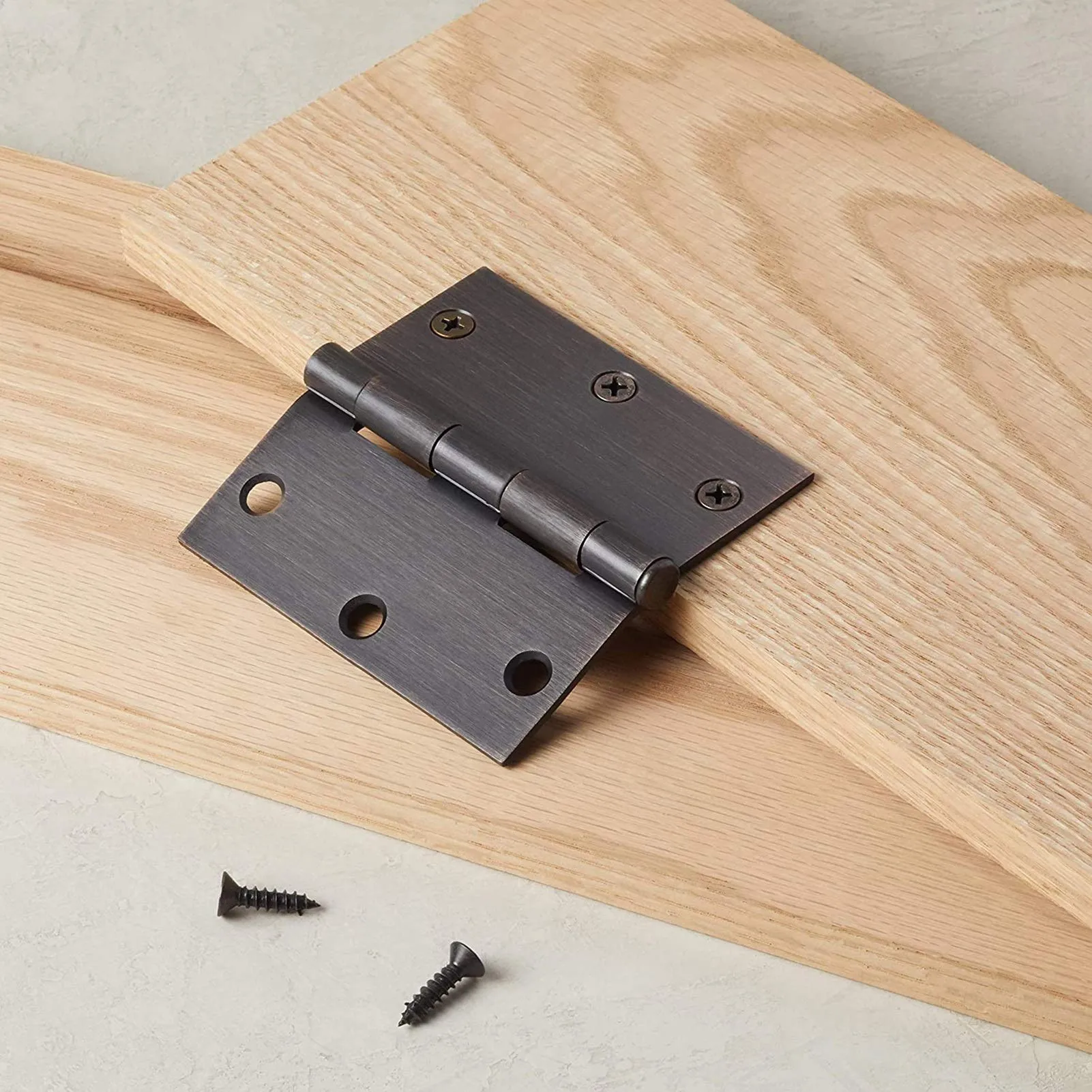
Why Your Business Needs the Right TDC Commercial Door Hinge
Choosing the right commercial door hinge boosts business security, ensures smooth operation, and reduces costly maintenance risks.Mar-13-2026 Learn More >> -
.webp)
The Importance of Locked Door Hinges for Enhanced Home Security
Locked door hinges boost home security by preventing tampering and forced entry, offering durable protection for doors against intruders.Mar-13-2026 Learn More >> -
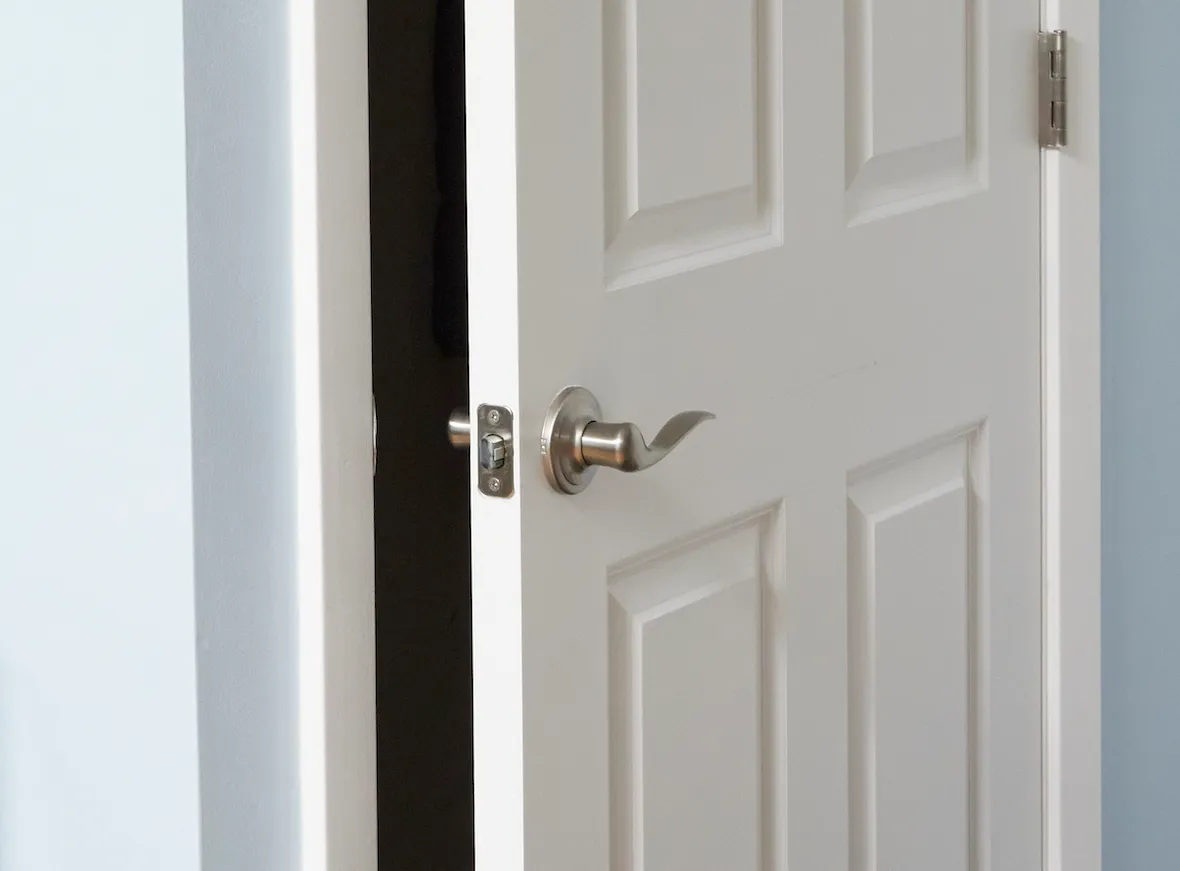
The Aesthetic Appeal of Ornamental Door Hinges: Transforming Your Home's Entryways
Ornamental door hinges elevate entryway style, boost home value, and offer durable, customizable options to match any decor for a lasting first impression.Mar-13-2026 Learn More >>

Contact
Tel: +8613325838282
Add: 12819 Telegraph Road Santa Fe Springs, CA 90670
Follow Us:


