
Essential Tips for Selecting Gate Hinges
Essential Tips for Selecting Gate Hinges
Selecting the right hinges for gate requires careful attention. Gate size, weight, and environment all determine the best hinge type and capacity. Trusted brands like TDC provide reliable solutions that combine durability and style. Homeowners should consider both function and appearance when choosing hinges for lasting performance.
Assess Your Gate
Gate Type and Material
Choosing the right hinges for gate starts with understanding the gate itself. Gates come in many types, such as wooden, metal, or vinyl. Each material affects hinge selection. Wood gates often need sturdy hinges that resist warping. Metal gates require corrosion-resistant hinges, especially in outdoor settings. Vinyl gates benefit from lightweight hinges that prevent sagging. The gate’s design also matters. Single-panel gates need different support than double gates. Homeowners should match hinge material to gate material for best results.
Tip: Always check the manufacturer's recommendations for hinge compatibility with your gate material.
Measuring Size and Weight
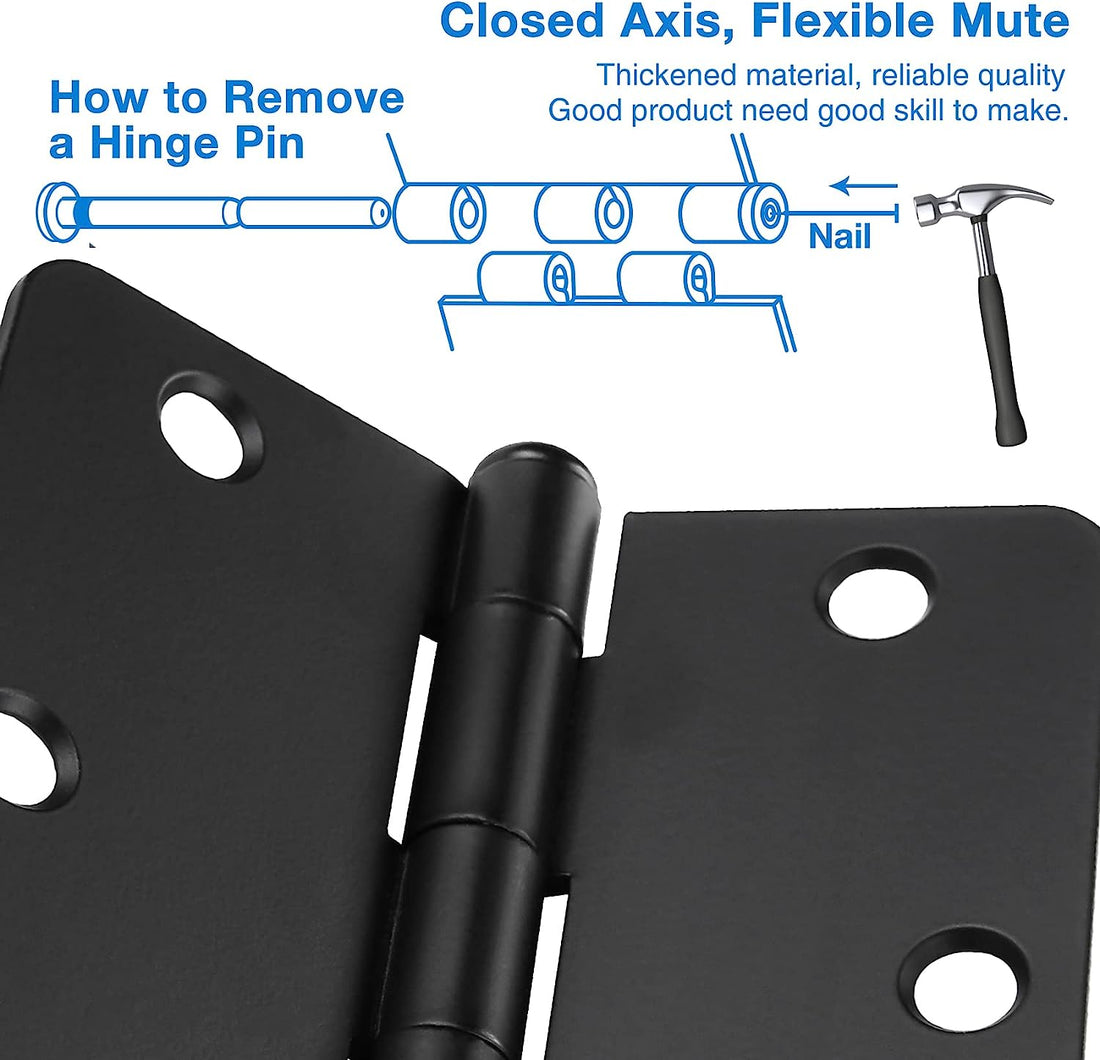
Accurate measurements help ensure the gate operates smoothly. Measure the height, width, and thickness of the gate. Weigh the gate if possible. Heavier gates need stronger hinges for gate to prevent drooping or misalignment. Use a tape measure for precise dimensions. Record these numbers before shopping for hardware. Many hinge manufacturers provide weight ratings. Compare your gate’s weight to these ratings. Select hinges that can handle the load and allow for smooth movement.
Height and width affect hinge placement.
Weight determines hinge strength.
Thickness influences screw length and mounting hardware.
A well-measured gate leads to a secure and long-lasting installation.
Types of Hinges for Gate
Strap, Tee, and Butt Hinges
Homeowners and builders often choose from several hinge styles when selecting hinges for gate. Each type offers unique benefits and works best in specific situations.
Strap Hinges
Strap hinges feature long, flat arms that distribute weight across a wide area. They provide strong support for heavy wooden gates and barn doors. The extended design helps prevent sagging and ensures smooth operation. Strap hinges suit rustic or traditional gates and add a decorative touch.Tee Hinges
Tee hinges combine a long strap with a rectangular mounting plate. The "T" shape allows easy installation on narrow frames. Tee hinges work well for medium-weight gates and garden entrances. They offer a balance between strength and simplicity.Butt Hinges
Butt hinges consist of two rectangular plates joined by a pin. These hinges for gate fit flush against the gate and post, creating a clean look. Butt hinges suit lighter gates, doors, and interior applications. Builders often use them for residential doors because they allow smooth, quiet movement.
Note: TDC Residential Door Hinges provide reliable performance for both gates and doors. Their steel construction and moisture resistance make them suitable for many environments. Homeowners can choose from several finishes to match their style.
The table below summarizes the main uses for each hinge type:
Hinge Type | Best Use | Appearance |
|---|---|---|
Strap | Heavy wood gates | Decorative, rustic |
Tee | Garden, medium gates | Simple, practical |
Butt | Light gates, doors | Clean, modern |
Self-Closing and Specialty Hinges
Some gates require hinges with extra features for safety or convenience. Self-closing and specialty hinges offer solutions for these needs.
Self-Closing Hinges
Self-closing hinges use springs or tension mechanisms to close the gate automatically. These hinges for gate help keep pets and children safe by ensuring the gate never stays open. Pool gates and backyard fences often use self-closing hinges.Spring Hinges
Spring hinges operate like self-closing hinges but use a coiled spring to provide the closing force. They suit gates that need to close securely without manual effort. Spring hinges work well for security gates and access points.Specialty Hinges
Specialty hinges include adjustable, double-action, and heavy-duty models. Adjustable hinges allow fine-tuning for perfect alignment. Double-action hinges let gates swing both ways, which helps in busy areas. Heavy-duty hinges support large driveway gates and commercial entrances.
Tip: Always check the hinge specifications for load capacity and compatibility with your gate material. TDC Residential Door Hinges offer easy installation and reversible designs, making them a versatile choice for many gate styles.
Choosing the right hinge type ensures the gate operates smoothly and lasts for years. Homeowners should match the hinge style to the gate’s weight, material, and intended use.
Load Capacity and Quantity
Weight Support Calculation
Selecting the right hinges for gate starts with understanding how much weight each hinge can support. Manufacturers often list the maximum weight rating for each hinge. Homeowners should check these ratings before making a purchase. For example, a heavy wooden gate may need hinges that support over 100 pounds each. Lighter gates require less support.
A simple calculation helps determine the total load capacity needed. Add the weight of the gate and any additional hardware. Divide this number by the number of hinges planned for installation. Each hinge must support at least this amount. The table below shows a sample calculation:
Gate Weight (lbs) | Number of Hinges | Minimum Capacity per Hinge (lbs) |
|---|---|---|
120 | 3 | 40 |
80 | 2 | 40 |
200 | 4 | 50 |
Tip: Always choose hinges with a higher weight rating than the minimum required. This ensures long-term durability.
Number of Hinges Needed
The number of hinges depends on the gate’s height, weight, and usage. Most residential gates use two or three hinges. Taller or heavier gates may need four or more. More hinges distribute the weight evenly and prevent sagging. Install hinges at equal intervals along the gate’s edge for best support.
Small gates (under 5 feet): 2 hinges
Medium gates (5-7 feet): 3 hinges
Large gates (over 7 feet): 4 hinges
Proper hinge quantity improves stability and extends the life of the gate. Homeowners should always follow manufacturer guidelines for installation.
Installation and Compatibility
Mounting Requirements
Proper installation starts with matching the hinge to both the gate and the post. Homeowners should check the hole pattern on the hinge plates. The holes must line up with the gate frame and the post for a secure fit. Most hinges for gate come with pre-drilled holes, but some gates may need custom drilling. Always use the screws provided by the manufacturer, as these match the hinge’s design and strength.
A table can help compare mounting options:
Hinge Type | Hole Pattern | Mounting Hardware Included |
|---|---|---|
Strap | Multiple | Usually Yes |
Butt | Standard | Yes |
Tee | Simple | Sometimes |
Tip: TDC Residential Door Hinges include all necessary screws and feature a reversible design. This makes them easy to install on either left or right-hand gates.
Tools and Skills
Most homeowners can install hinges with basic tools. A screwdriver, drill, and measuring tape cover most needs. For heavy gates, a level ensures proper alignment. Some gates may require a wrench or socket set for larger bolts.
Use a pencil to mark screw locations.
Pre-drill holes to prevent wood splitting.
Tighten screws firmly, but avoid over-tightening.
TDC hinges resist moisture, making them ideal for outdoor or humid environments. Their simple design helps even beginners achieve a professional result.
Environmental Factors
Weather Resistance
Gate hinges face many environmental challenges. Rain, humidity, and temperature changes can cause rust and corrosion. Homeowners should select hinges with weather-resistant finishes to protect against these elements. Stainless steel and galvanized steel resist moisture and prevent rust. Powder-coated finishes add another layer of protection. TDC Residential Door Hinges feature moisture resistance, which helps them last longer in damp or outdoor settings.
Tip: Always check the product description for weatherproof features before buying hinges for outdoor gates.
A comparison of common hinge materials and their weather resistance:
Material | Weather Resistance | Best Use |
|---|---|---|
Stainless Steel | Excellent | Outdoor, humid |
Galvanized Steel | Very Good | Garden, driveway |
Brass | Good | Decorative, indoor |
Powder-Coated | Excellent | All environments |
Special Applications (Double Gates, Driveways)
Some gates require special hinge solutions. Double gates need hinges that support extra weight and allow both panels to swing smoothly. Driveway gates often use heavy-duty hinges for security and stability. Adjustable hinges help align double gates and prevent sagging over time. Spring-loaded or self-closing hinges add safety for gates near busy streets.
Double gates: Use at least three heavy-duty hinges per panel.
Driveway gates: Choose hinges rated for high weight and frequent use.
Adjustable hinges: Allow fine-tuning for perfect alignment.
Note: TDC Residential Door Hinges offer robust construction and easy installation, making them suitable for many special gate applications.
Budget and Sourcing
Cost vs. Quality
Buyers often compare price and quality when selecting hinges for gate. High-quality hinges last longer and perform better. Low-cost options may save money at first, but they can wear out quickly. Reliable brands like TDC use strong materials and offer moisture resistance. These features help prevent rust and damage. Homeowners should check the finish and construction before making a decision.
A simple table helps compare features:
Feature | Low-Cost Hinges | Premium Hinges |
|---|---|---|
Material | Basic metal | Steel, brass |
Finish | Plain | Satin, matte |
Durability | Short-term | Long-lasting |
Moisture Proof | Rare | Common |
Tip: Investing in quality hinges reduces maintenance and replacement costs over time.
Where to Buy Hinges for Gate
Many stores sell hinges for gate. Hardware stores carry basic models. Specialty shops offer more choices and expert advice. Online retailers like Amazon provide a wide selection and customer reviews. TDC Residential Door Hinges rank as a top-selling option online. Buyers can compare finishes, sizes, and installation features before purchasing.
Local hardware stores: Quick access, limited selection.
Specialty shops: Expert help, premium brands.
Online retailers: Wide variety, easy comparison.
Buyers should read product descriptions and check ratings. Trusted brands give peace of mind and reliable performance.
Common Mistakes
Overlooking Gate Specs
Many homeowners forget to check the specifications of their gate before buying hinges. This mistake can lead to poor performance and frequent repairs. Gate specs include size, weight, material, and design. Each factor affects hinge selection. For example, a heavy wooden gate needs strong hinges with high load capacity. A lightweight vinyl gate works best with smaller, corrosion-resistant hinges.
Tip: Always measure the gate and write down its weight and dimensions before shopping for hinges.
A quick checklist helps avoid this mistake:
Measure gate height, width, and thickness.
Weigh the gate if possible.
Note the gate material (wood, metal, vinyl).
Check if the gate is single or double panel.
Ignoring these details can cause the gate to sag, squeak, or fail to close properly.
Ignoring Environment
Some buyers do not consider the environment where the gate will be installed. Weather, humidity, and exposure to water can damage hinges over time. Outdoor gates need hinges with weather-resistant finishes. Indoor gates in kitchens or bathrooms also face moisture challenges.
Environment | Recommended Hinge Feature |
|---|---|
Outdoor | Moisture resistance, rustproof |
Humid areas | Corrosion-resistant finish |
Dry indoor | Standard finish |
Note: TDC Residential Door Hinges offer moisture resistance, making them suitable for challenging environments.
Choosing the wrong hinge for the environment can lead to rust, corrosion, and early hinge failure. Homeowners should match hinge features to the gate’s location for long-lasting results.
Selecting the right hinges for gate requires careful planning. Homeowners should match hinge type, load capacity, and installation needs to their specific gate. Trusted brands like TDC offer quality and reliability. Accurate measurements and a review of available options help ensure a secure and long-lasting installation.
FAQ
What size hinge works best for a standard residential gate?
Most standard gates use 3.5" or 4" hinges. TDC offers both sizes. Measure the gate thickness and weight before choosing the hinge size.
How can someone prevent gate hinges from rusting outdoors?
Select hinges with weather-resistant finishes like stainless steel or powder coating. TDC Residential Door Hinges feature moisture resistance, which helps prevent rust in outdoor environments.
Can TDC Residential Door Hinges fit both left and right-hand gates?
Yes. TDC hinges have a reversible design. Homeowners can install them on either left or right-hand gates without extra tools or hardware.
Related articles
-
Choosing the Right Exterior Door Hinges: Key Features and Benefits
Exterior door hinges with security features, durable materials, and weather resistance keep entry doors safe, long-lasting, and easy to operate.Dec-03-2025 Learn More >> -

Exploring the Versatility of Butt Hinges: Applications Beyond Doors
Butt hinge versatility extends to cabinets, windows, furniture, and specialty equipment, offering strength, durability, and design flexibility for many projects.Dec-03-2025 Learn More >> -
_7.webp)
Black door hinges make any room look stylish
Black door hinges add bold contrast and timeless style, making any room look more sophisticated while matching both modern and classic decor.Dec-03-2025 Learn More >> -
.webp)
The Benefits of Choosing Residential Pivot Hinges for Your Home
Residential pivot hinges offer modern style, smooth operation, and lasting strength for your home's doors, making them a smart upgrade for any space.Dec-03-2025 Learn More >>

Contact
Tel: +8613325838282
Add: 12819 Telegraph Road Santa Fe Springs, CA 90670
Follow Us:


