
Exploring the Versatile Types of Hinges for Every Application
Exploring the Versatile Types of Hinges for Every Application
Many people discover the versatility of hinges when selecting hardware for a home or DIY project. They often encounter diverse types of hinges, such as butterfly, piano, and concealed hinges. Matching the right hinge to its application ensures durability and enhances appearance. The ultimate guide to understanding hinges helps users appreciate the functions of hinges in everyday life.
Butterfly Hinges
Butt Hinges
Piano Hinges
2E Hinges
3E Hinges
Understanding Hinges
What Are Hinges?
A hinge is a mechanical device that connects two solid objects, allowing limited rotation between them. People use hinges every day on doors, cabinets, gates, and windows. Each hinge contains several important parts that work together to create smooth movement and reliable support.
Component | Description |
|---|---|
Pin | The rod that holds the leaves together, inside the knuckle. Also known as a pintle. |
Knuckle | The hollow portion creating the joint of the hinge through which the pin is set. |
Leaf | The portions that extend laterally from the knuckle and revolve around the pin. |
End Play | Axial movement between the leaves along the axis of the pin, allowing rotation without binding. |
Gauge | Thickness of the leaves, crucial for strength and durability. |
Hinge Width | Length from the outer edge of one leaf to the outer edge of the other leaf across the pin. |
Hinge Length | The length of the leaves parallel to the pin. |
Knuckle Length | The typical length of an individual knuckle parallel to the pin. |
Leaf Width | Length from the center of the pin to the outer edge of the leaf. |
Modern hinges often feature innovations such as soft-closing mechanisms and smart sensors. These advancements reduce noise, improve safety, and promote sustainability by using eco-friendly materials.
Why Hinge Choice Matters
Selecting the right hinge affects the durability and performance of doors, cabinets, and furniture. High-quality hinges made from stainless steel, brass, or zinc alloy resist wear and corrosion. Durable finishes like chrome or powder coating protect against scratches and rust.
Premium hinges may last over 15 years, while cheaper options can fail in just a few years.
Sturdy construction and quality finishes reduce the need for repairs or replacements.
Low-quality hinges may cause squeaking, misalignment, or corrosion.
Smart hinges can alert homeowners if a door is left open and integrate with security systems. Manufacturers now focus on sustainability by using recycled metals and reducing harmful chemicals. Choosing the right hinge ensures smooth operation, long life, and better user experience.
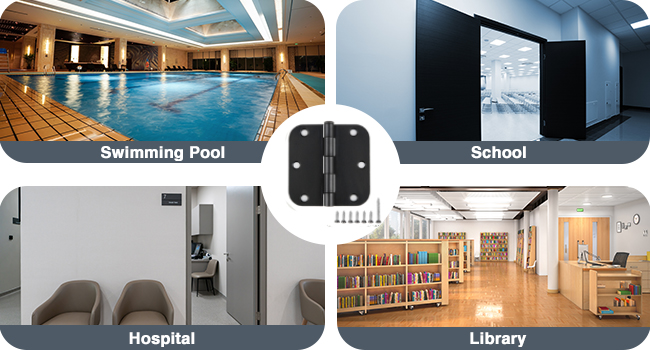
Common Types of Hinges
Many projects require different types of hinges to achieve the right balance of function and style. The most common types of hinges appear in construction, furniture, and cabinetry. Each hinge style offers unique features and best uses, making it important to match the hinge to the specific door or application.
Butt Hinges
Butt hinges rank among the most widely used hinge styles in both residential and commercial settings. These hinges consist of two rectangular leaves joined by a central pin. People often install butt hinges on entry doors, interior doors, cabinet doors, and window shutters. They also appear in cabinets, storage units, and historical renovations.
Tip: Butt hinges provide a classic look and reliable support for most standard doors.
The best uses for butt hinges include:
Entry doors and interior doors in homes and offices
Cabinet doors and storage units
Windows and shutters
Butt hinges offer strength and durability, making them a staple in many types of hinges found in homes and businesses.
Ball Bearing Hinges
Ball bearing hinges improve upon traditional butt hinges by adding ball bearings between the knuckles. This design reduces friction and distributes weight more evenly. As a result, these hinges operate smoothly and quietly, even with heavy doors.
Feature | Ball Bearing Hinges | Other Hinges |
|---|---|---|
Friction | Reduced due to ball bearings | Higher due to metal contact |
Load Capacity | Designed for heavier loads | Limited load capacity |
Durability | More durable, ideal for high-traffic areas | Less durable |
Noise | Quieter operation | Prone to squeaking |
Wear Resistance | Better resistance to wear and tear | More susceptible to wear |
The best uses for ball bearing hinges include:
Heavy entryway doors
Office and restaurant doors
Storefront doors and public restroom stalls
Ball bearing hinges extend the life of the door and hinge assembly, especially in high-traffic areas.
Piano (Continuous) Hinges
Piano hinges, also called continuous hinges, run the entire length of the door or panel. This hinge style provides even load distribution and enhanced durability. People often use piano hinges in environments with frequent door use, such as schools, hospitals, and storage chests.
Feature | Continuous Hinges | Shorter Hinges |
|---|---|---|
Durability | Enhanced durability for heavy-duty use | Shorter lifespan due to size |
Load Distribution | Better load distribution across the length | Limited load distribution |
Stability | Provides stability in frequent use | Less stable under heavy use |
Piano hinges reduce wear and tear on both the door and the hinge. Their continuous design also improves security by making it harder to tamper with the hinge.
Concealed Hinges
Concealed hinges, sometimes called hidden hinges, remain invisible when the door is closed. This hinge style creates a clean, modern look in cabinetry and furniture. Concealed hinges allow doors to open up to 180 degrees, improving accessibility in tight spaces.
Advantage | Description |
|---|---|
Aesthetic Appeal | Concealed hinges create elegant storage solutions without disrupting the design flow. |
Functionality | They allow for hidden doors, integrating functional entrances into walls or decorative panels. |
Durability | Made from premium materials, they minimize maintenance and resist dust and corrosion. |
Ease of Maintenance | Their design prevents dust accumulation, especially in humid environments like kitchens. |
Adjustability | Clip-on installation systems allow for quick removal or adjustment without damage. |
Soft-Close Feature | Many concealed hinges offer soft-close options for quiet operation. |
The best uses for concealed hinges include:
Modern kitchen and bathroom cabinets
Furniture with a sleek, uninterrupted appearance
Hidden doors or panels in walls
Concealed hinges combine style, durability, and easy maintenance, making them a favorite in contemporary design.
Strap Hinges
Strap hinges feature long, narrow leaves that provide extra support for large or heavy doors. These hinges often appear on gates, barn doors, and large wooden doors. Strap hinges use heavy-duty materials like iron or steel, making them suitable for outdoor and heavy-duty applications.
Feature | Strap Hinges | Traditional Hinges |
|---|---|---|
Application | Used in gates, barn doors, and large wooden doors | Used in residential or lightweight cabinet doors |
Durability | Made from heavy-duty materials like iron or steel, suitable for outdoor use | Typically made from lighter materials, not suitable for heavy weights |
Strap hinges offer both strength and a rustic appearance, making them ideal for exterior doors and decorative gates.
Dummy Hinges
Dummy hinges serve as decorative elements rather than functional hardware. These hinges mimic the look of working hinges but do not allow the door to move. People use dummy hinges to add character to doors, shutters, and cabinets where only the appearance of a hinge is needed.
Common types of hinges like dummy hinges help achieve a specific design style without affecting the function of the door or cabinet.
Note: When selecting from the many types of hinges, always consider the weight, size, and intended use of the door to ensure the best performance and appearance.
The wide variety of hinge styles allows builders and homeowners to find the perfect match for any project. By understanding the common types of hinges and their best uses, anyone can choose the right hinge for durability, style, and smooth operation.
Types of Door Hinges
Standard Door Hinges
Standard hinges appear in most homes and buildings. They connect the door to the frame and allow it to swing open or closed. Builders often choose standard hinges for their reliability and ease of installation. These hinges work well for interior and exterior doors. The most common types of door hinges in residential construction include casement, sliding, and folding hinges. Each type serves a unique purpose and fits specific door styles.
Hinge Type | Description | Best Applications |
|---|---|---|
Casement Door Hinges | Allow doors to swing inward or outward, providing smooth operation and security. | Main entrance doors, bedroom doors, interior doors. |
Sliding Door Hinges | Facilitate horizontal movement along a track, maximizing space efficiency. | Closets, patio doors, bathroom doors. |
Folding Door Hinges | Designed for doors that fold in sections, ideal for compact storage. | Pantry doors, room dividers, closet doors. |
Standard hinges offer strength and stability. They remain the first choice for most entryways and interior spaces.
Pivot and Barrel Hinges
Pivot hinges allow the door to rotate on a single point at the top and bottom. Designers use these hinges for heavy or oversized doors. Pivot hinges create a smooth swinging motion and support more weight than standard hinges. Barrel hinges, on the other hand, fit inside the edge of the door. They work best for cabinets and gates where a hidden hinge is preferred. Both types of door hinges provide unique solutions for special installations.
Tip: Pivot hinges suit large entry doors in modern homes, while barrel hinges work well for concealed cabinet doors.
Spring Hinges
Spring hinges use a built-in spring mechanism to close the door automatically. These hinges improve convenience and safety in homes and public buildings. Spring hinges help keep doors closed, which is important for fire-rated doors and energy efficiency. They also reduce wear and tear on the door and frame.
Enhanced convenience: Spring hinges close doors automatically, which helps in homes with children or busy areas.
Improved safety: These hinges play a key role in smoke and fire-rated doors, stopping the spread of flames and smoke.
Energy efficiency: Spring hinges help maintain temperature control, lowering energy bills.
Reduced wear and tear: The spring mechanism protects the doorframe and hinges, making them last longer.
Spring hinges remain popular for self-closing doors in kitchens, bathrooms, and commercial spaces. They offer practical benefits and reliable performance.
Cabinet Hinges
European (Concealed) Hinges
Cabinet hinges play a vital role in both the function and appearance of modern cabinetry. European concealed hinges, sometimes called cup hinges, have become a popular choice for many homeowners and builders. These cabinet hinges mount on the inside of the cabinet door, so they remain hidden when the door is closed. This design creates a seamless and minimalistic look, which fits well with contemporary kitchens and bathrooms. European hinges offer several advantages for cabinet hinge types:
Adjustability: Users can fine-tune the position of the door in multiple directions for a perfect fit.
Soft-close mechanism: The hinge gently closes the door, preventing slamming and extending the life of cabinet doors.
Sleek aesthetic: The modern, discreet design complements many cabinet styles.
Variety of applications: These cabinet hinges work for almost any cabinet door.
Quick installation: Once the door is bored for the cup, installation is fast and simple.
Easy adjustments: Even after installation, users can make small changes for perfect alignment.
Sleek functionality: The hinge stays virtually invisible when the door is closed, keeping the cabinet’s look clean.
Cabinet hinges like these have become the standard for new construction and remodels.
Inset and Overlay Hinges
Inset and overlay cabinet hinges affect both the alignment and the appearance of cabinet doors. These cabinet hinge types help determine how the door sits on the cabinet frame. The table below shows the main differences:
Type of Hinge | Alignment | Appearance |
|---|---|---|
Inset | Flush with the cabinet frame | Sleek and neat |
Overlay | Covers the cabinet frame | More traditional aesthetic |
Inset cabinet hinges allow the door to sit flush with the frame, creating a smooth, modern look. Overlay cabinet hinges let the door cover the frame, which gives a more classic style. Choosing the right cabinet hinges ensures the doors align properly and match the desired design. Cabinet hinges remain one of the most important parts of any cabinet project, and understanding cabinet hinge types helps users achieve the best results.
Choosing Hinges
Load and Weight
Selecting hinges for a door starts with understanding load and weight. Builders must consider the weight of the door, how often it will be used, and the hinge size. The following table shows important factors:
Factor | Description |
|---|---|
Door Weight | The weight of the door and any added hardware. |
Frequency of Use | How often the door opens and closes. |
Hinge Size | The hinge size should match the door’s weight and dimensions. |
Material | The hinge material must handle the load and usage frequency. |
Design | The hinge design should fit the door type and usage conditions. |
Heavy doors or gates may need more hinges to distribute weight and prevent sagging. High-traffic doors require hinges that can endure frequent use.
Material and Finish
Material and finish affect the durability and appearance of hinges. Stainless steel resists corrosion and lasts longer, especially in humid climates. The finish also impacts scratch resistance and maintenance. For example, satin nickel offers high corrosion resistance and low maintenance, while matte black provides a modern look with moderate protection. Builders should match the hinge finish to the decor style and environment.
Motion and Range
Some applications need hinges that allow a wide range of motion. Pivot hinges and continuous hinges support heavy doors and provide smooth operation. These hinges work well for industrial storage and commercial cabinetry. Soft-close hinges add convenience by gently closing the door, reducing noise and wear. Many soft-close hinges now appear in kitchens and bathrooms.
Aesthetics and Environment
Aesthetics play a role in choosing the right hinge. Concealed hinges create a clean look, while strap hinges add rustic charm. Environmental factors matter too. In humid or tropical areas, moisture can cause metal hinges to rust and doors to warp. Stainless steel or polymer hinges resist corrosion in marine or medical settings. Sealed or gasketed hinges protect against moisture and dust. Soft-close hinges improve safety and comfort in homes and offices.
Tip: Builders should always check industry standards for hinges in commercial projects. Standards ensure safety, load capacity, and fire performance.
Choosing the right hinge depends on load, material, motion, aesthetics, and environment. Soft-close hinges and other advanced designs help doors last longer and work better in many applications.
Installation and Maintenance
Installation Tips
Proper installation of hinges ensures that every door operates smoothly and lasts longer. Installers begin by measuring and marking the exact locations for each hinge. The top hinge sits 7 inches from the top of the door, while the bottom hinge is placed about 10 inches from the bottom. If a third hinge is needed, it goes halfway between the top and bottom hinges. Precision in measurement prevents misalignment, which can cause the door to bind or wear unevenly.
Installers use sharp tools to cut clean mortises so the hinges sit flush with the door edge and frame. Drilling perpendicular pilot holes keeps screws straight and stable. After securing the hinges, they test the door to confirm it opens and closes without resistance. Any gaps are filled with wood filler and sanded for a professional finish. Common mistakes include using the wrong drill bit, neglecting clearance for thermal expansion, and failing to secure the hinges tightly. These errors can lead to sagging doors and poor function, especially with self-closing hinges.
Maintenance Advice
Regular maintenance extends the life of hinges, especially in high-use environments with self-closing doors. Inspect hinges every three to six months for rust, loose screws, misalignment, or dirt buildup. Clean hinges with a cloth and brush to reach tight spaces. Tighten any loose screws to maintain stability. Lubricate hinges at least twice a year, or more often if exposed to harsh conditions, using high-quality lubricants that withstand frequent use. Check alignment to prevent uneven wear, which is important for self-closing hinges. Maintain the surrounding environment by managing humidity to prevent corrosion. Self-closing hinges require extra attention to ensure the spring mechanism works properly and the door closes securely.
Tip: Frequent inspections and proper lubrication help self-closing hinges perform reliably and keep every door operating smoothly.
Maintenance Task | Frequency | Purpose |
|---|---|---|
Inspect hinges | Every 3-6 months | Catch wear or misalignment |
Lubricate hinges | Twice a year | Reduce friction, prevent rust |
Tighten screws | As needed | Ensure stability |
Clean hinges | Regularly | Remove dirt and debris |
Understanding hinge types helps builders and homeowners make informed choices for every project. Careful hinge selection improves durability and function.
Material and finish influence longevity, especially in high-traffic areas.
Specialty hinges, like double action and European designs, enhance furniture and door performance.
Assess project needs before choosing a hinge to achieve lasting results.
FAQ
What hinge works best for outdoor gates?
Strap hinges provide strong support for outdoor gates. They resist weather and hold heavy doors securely. Builders often choose iron or steel for extra durability.
How often should someone lubricate door hinges?
People should lubricate door hinges twice a year. Regular lubrication prevents squeaking and rust. High-traffic doors may need more frequent attention.
Can concealed hinges support heavy cabinet doors?
Concealed hinges can support heavy cabinet doors. Manufacturers design many concealed hinges for strength. Users should check weight ratings before installation.
Related articles
-
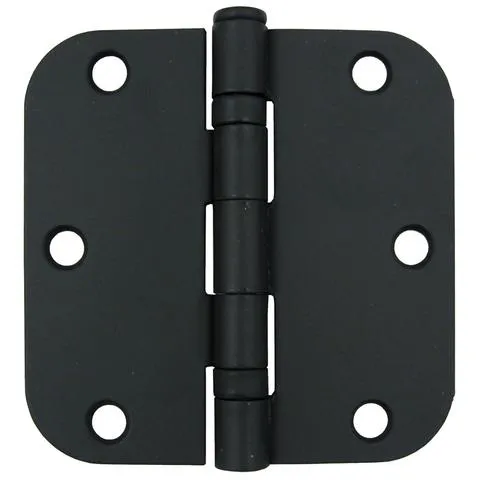
The aesthetic appeal of black cabinet hinges
Black cabinet hinges add bold contrast, elegance, and durability to any cabinetry, suiting both modern and traditional styles for a timeless upgrade.Dec-08-2025 Learn More >> -
Why Spring Loaded Hinges Make Modern Door Design Safer
Spring loaded hinges improve door safety by preventing accidents, securing spaces, and offering energy efficiency for homes and businesses.Dec-08-2025 Learn More >> -
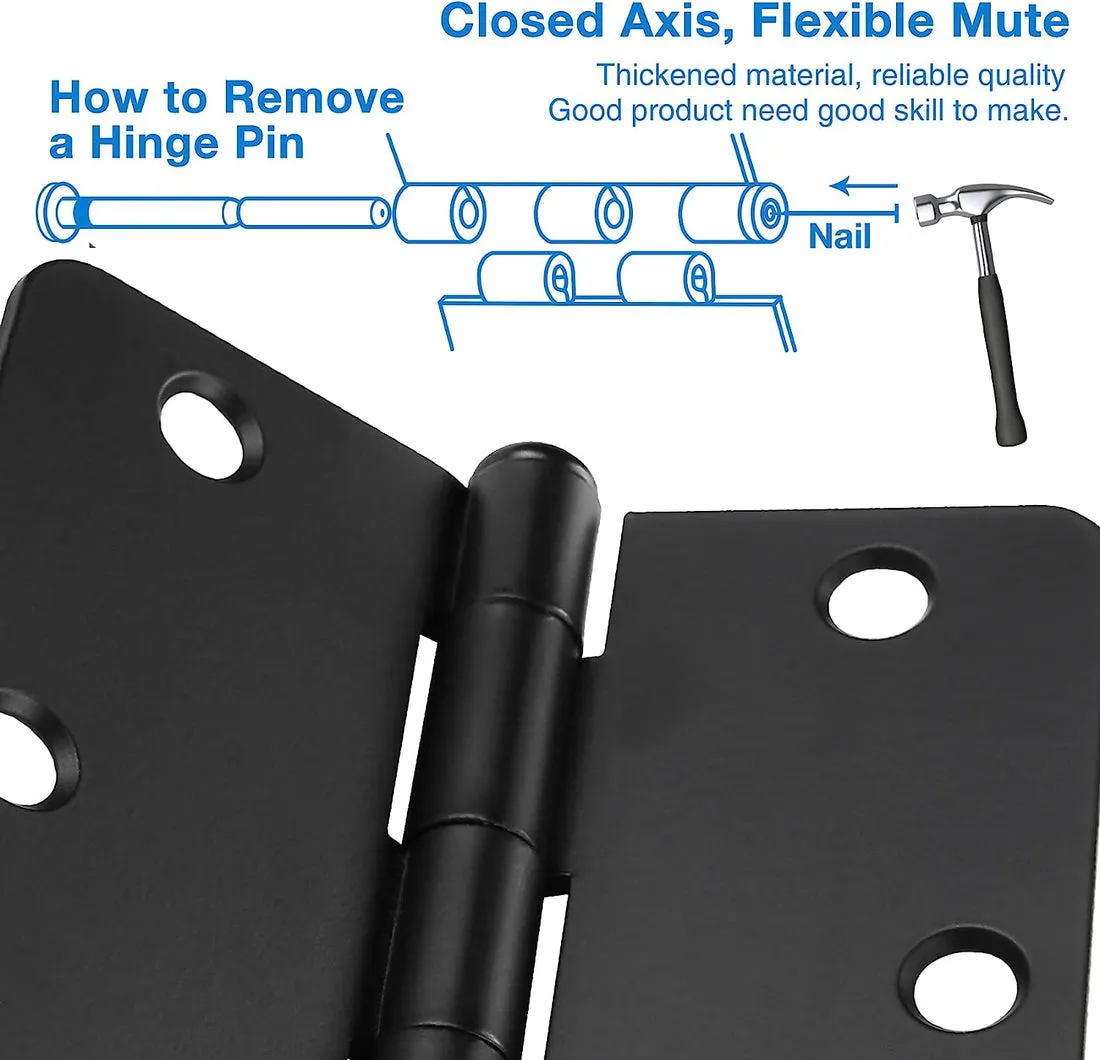
Essential Tips for Selecting Gate Hinges
Choose the best hinges for gate by considering gate size, weight, material, and weather resistance for secure, long-lasting performance in any environment.Dec-08-2025 Learn More >>

Contact
Tel: +8613325838282
Add: 12819 Telegraph Road Santa Fe Springs, CA 90670
Follow Us:


