
How to Choose the Perfect Inside Door Hinges for Every Room
How to Choose the Perfect Inside Door Hinges for Every Room
Selecting inside door hinges shapes both the look and function of every door in your home. The right hinge selection prevents common problems that can affect daily life.
Nearly 30% of door malfunctions result from poor hinge choices.
Many homeowners face issues because they do not choose the right hinges.
Types of Interior Door Hinges
Choosing the right types of interior door hinges is essential for both the look and functionality of every door in your home. This section of the hinge buying guide explains the most common types, how to select them by room, and which special hinges work best for unique doors.
Common Types of Door Hinges
Many types of door hinges are used in residential construction. Each type offers unique features and benefits for different applications. Here are the most popular types:
Butt Hinges: These are the most common interior door hinges. They come in full mortise and full surface designs. Butt hinges work well for standard doors and are easy to install or replace.
Ball Bearing Hinges: These hinges use ball bearings to reduce friction. They are ideal for heavy doors and high-traffic areas. Ball bearing hinges last longer and require less maintenance than standard butt hinges.
Concealed Hinges: These hinges remain hidden when the door is closed. Concealed hinges provide a clean, modern look and add security.
Continuous Hinges: Also called piano hinges, these run the full length of the door. Continuous hinges offer extra support and durability, making them perfect for doors that see frequent use.
Spring Loaded Butt Hinges: These hinges close the door automatically. They are useful for rooms where doors should not be left open.
Security Hinges: Designed to prevent tampering, these hinges add an extra layer of safety to your home.
Tip: Always check for certifications like CE or UL when choosing interior door hinges. These certifications ensure safety and quality, especially for fire-rated doors.
Choosing Hinge Type by Room
Different rooms in your home have different needs. The best interior door hinges depend on the door's weight, frequency of use, and the room's function. Here is a quick guide:
Room | Recommended Hinge Type | Reason |
|---|---|---|
Bedroom/Living Room | Butt Hinge | Standard doors, moderate use |
Kitchen/Bathroom | Self-Closing Hinge | Ensures doors close automatically, keeps spaces tidy |
Entryway | Ball Bearing Hinge | Handles heavy doors and frequent use |
Closet | Concealed or Butt Hinge | Clean look or simple installation |
Utility/Laundry | Continuous Hinge | Extra durability for high-traffic or heavy doors |
Self-closing hinges are especially useful in kitchens and bathrooms. They help keep doors closed, which can improve cleanliness and privacy. Ball bearing hinges work best for entryways or any area with a heavy or often-used door. For closets or less-used doors, standard butt hinges or concealed hinges are usually enough.
Special Hinges for Unique Doors
Some doors require special hinge types to function properly. Unique doors like bi-fold, pocket, or specialty doors need hinges designed for their specific movement.
Hinge Type | Features | Typical Use |
|---|---|---|
1603 Non-Mortise Hinges | Easy installation and removal, nylon bearings for smooth operation | Bi-fold or lightweight doors |
1703 Surface Mount Spring Hinges | Spring dampened to reduce shock from fast opening/closing | Pocket or specialty doors |
Non-mortise hinges allow for quick replacement and easy fitting, making them a good choice for doors that need frequent adjustments. Surface mount spring hinges help control the speed and force of door movement, which protects both the door and the frame.
Note: Always match the hinge type to the door's function and weight. This ensures smooth operation and extends the life of both the hinge and the door.
When selecting inside door hinges, consider the types of door hinges available, the specific needs of each room, and any special requirements for unique doors. This approach ensures the right balance of style, safety, and functionality throughout your home.
Sizing and Placement of Door Hinges
Standard Sizes for Inside Door Hinges
Choosing the right size for inside door hinges is important for both safety and functionality. Most standard interior doors in a home use 3-1/2-inch hinges. Heavier or taller doors may need larger hinges, such as 4-inch or 4-1/2-inch sizes. If a hinge is too small, it can cause misalignment or even failure. This is especially true for doors that are used often or support more weight. When planning for replacement, always match the new hinge size to the original for best results.
Number of Hinges per Door Height
The height of a door affects how many hinges are needed. For most doors up to 60 inches tall, two hinges are enough. For doors between 60 and 90 inches, three hinges are recommended. Add a fourth hinge for doors taller than 90 inches. Taller doors need more hinges to prevent sagging and to keep the door stable. The spacing between hinges also matters. Placing them too close together on a short door can make the door unstable.
Hinge Positioning Guidelines
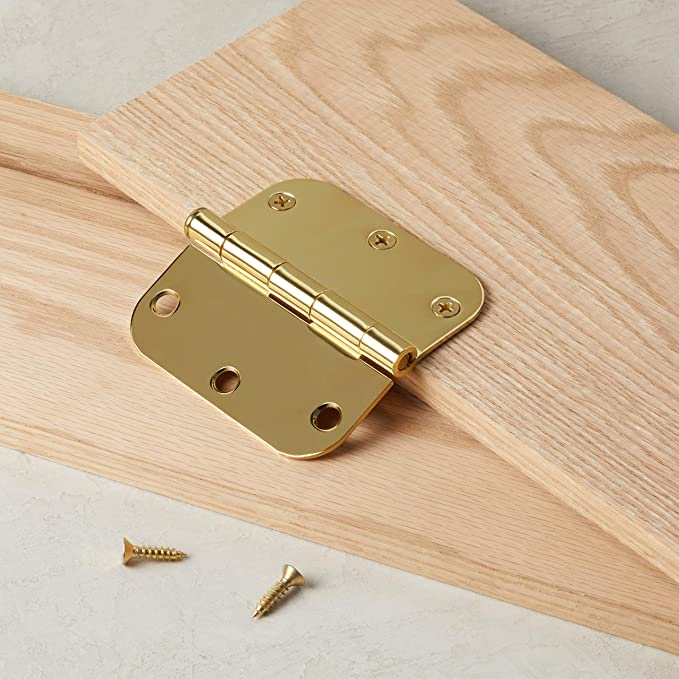
Proper hinge placement ensures smooth operation and long-lasting performance. The top hinge should sit about 5 inches from the top of the door, while the bottom hinge should be about 10 inches from the bottom. If a third hinge is used, place it in the center. Always keep the hinge axes parallel to the door edge for balance. The corner radius of a hinge also affects compatibility:
Square corners fit traditional frames.
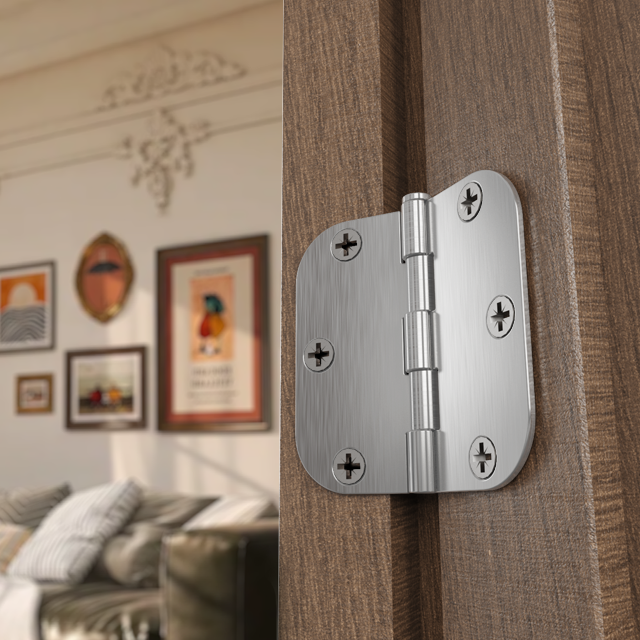
1/4-inch and 5/8-inch radius corners match most modern pre-cut doors.
The correct radius ensures a snug fit and smooth opening.
Regular checks and maintenance help keep door hinges working well, especially for self-closing hinges or doors that see heavy use.
Materials and Finishes for Door Hinges
Durable Materials for Interior Door Hinges
Choosing the right material for inside door hinges helps ensure both safety and long-lasting performance. The most common materials for door hinges include steel, stainless steel, brass, and aluminum alloy. Each material has its own strengths and best uses:
Material | Strengths | Best Uses |
|---|---|---|
Steel Hinges | Strong, budget-friendly, easy to install | Interior doors, cabinets |
Stainless Steel Hinges | Rust-resistant, durable, smooth operation | Bathrooms, high-humidity areas |
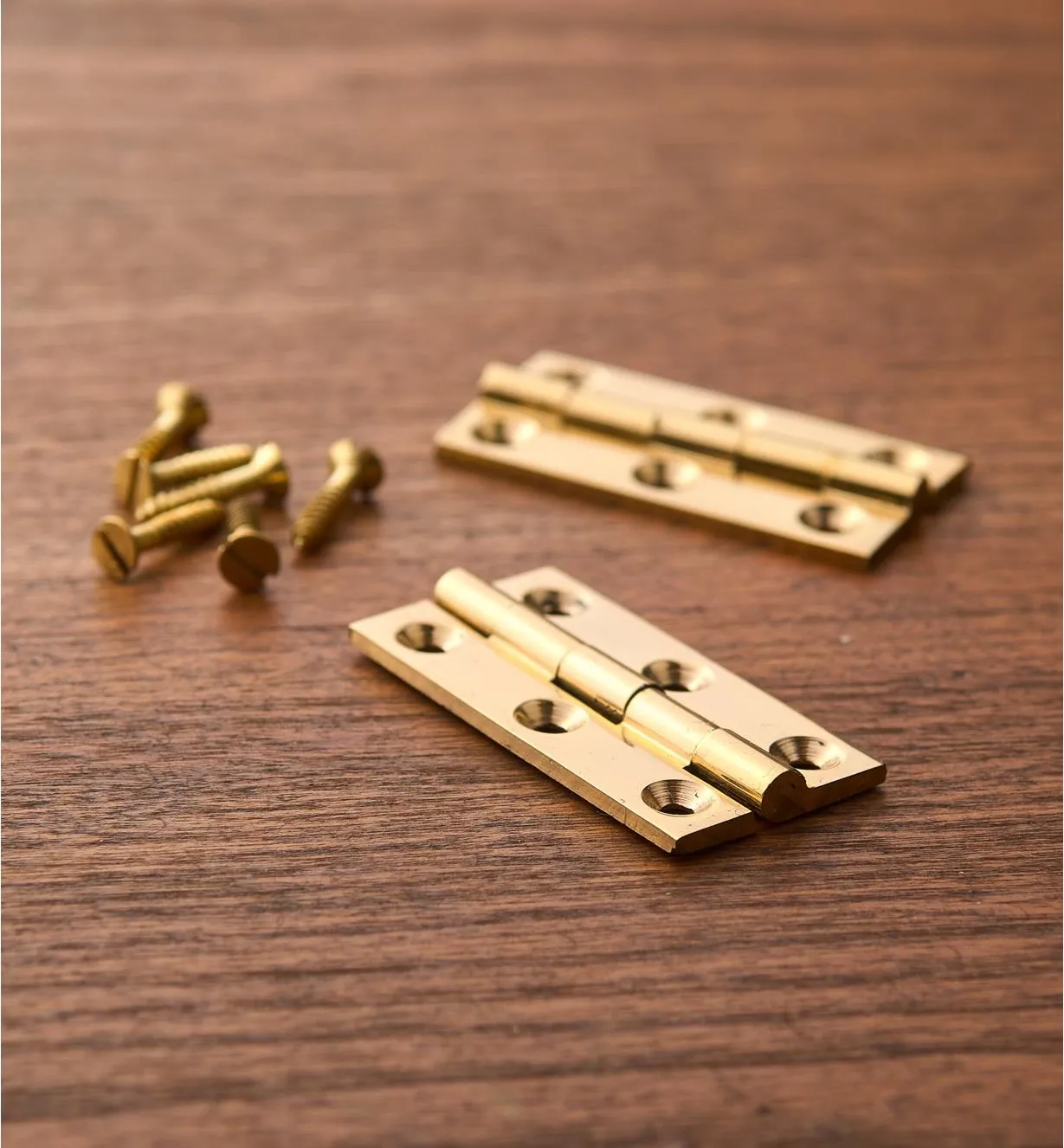
Brass Hinges | Elegant, corrosion-resistant, low friction | Decorative interior doors |
Aluminum Alloy Hinges | Lightweight, rust-resistant | Small doors, windows |
Stainless steel and bronze hinges resist corrosion well, making them ideal for rooms with moisture. Aluminum is also a good choice for humid spaces because it does not rust.
Finish Options to Match Decor
The finish of a hinge can change the look of a door and the whole room. Homeowners can choose from many finishes to match their style:
Finish Type | Description | Complementary Styles |
|---|---|---|
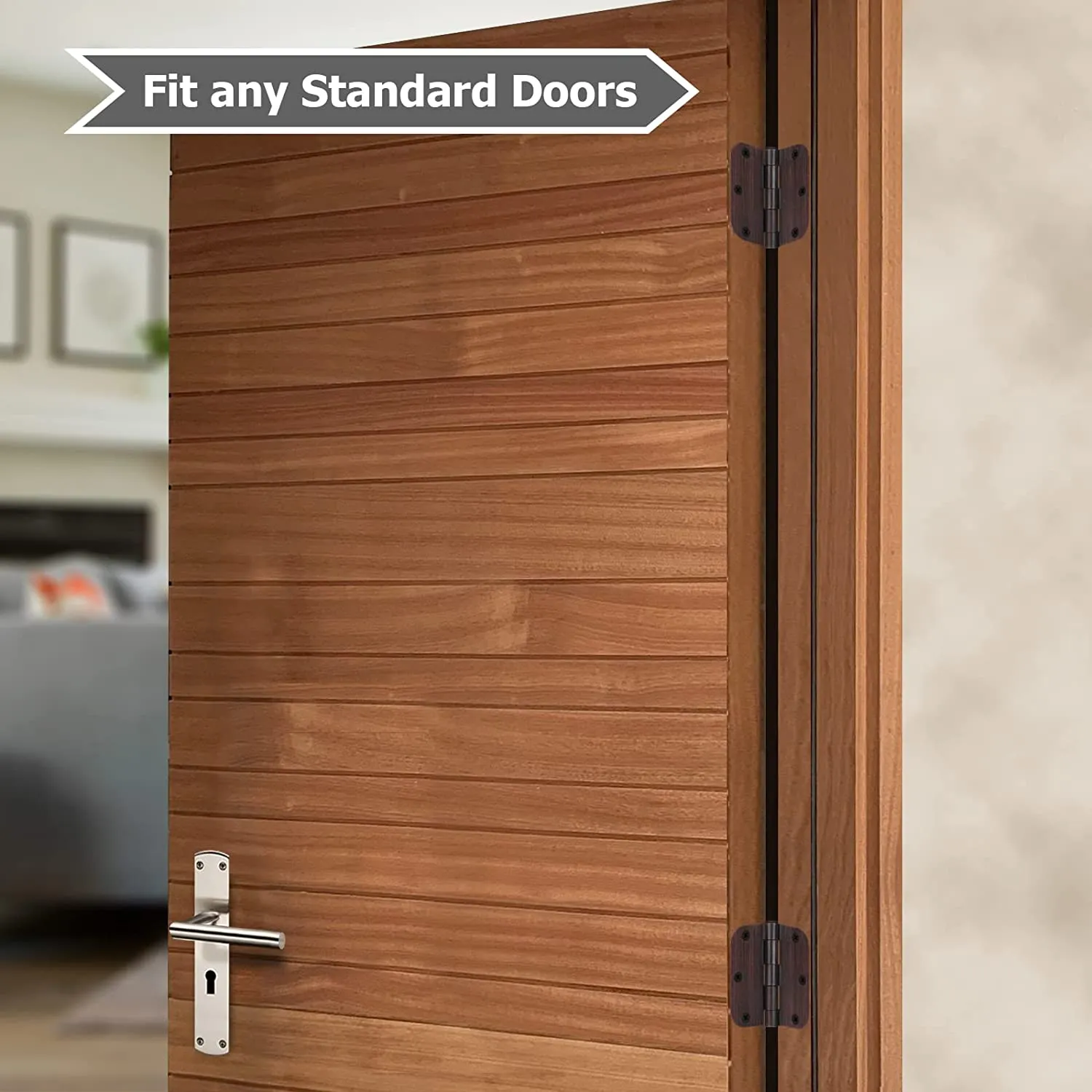
Oil Rubbed Bronze | Dark, antique look | Traditional, rustic |
Satin Nickel | Silvery, modern, and timeless | Modern, classic |
Black | Bold, dramatic, adds sophistication | Modern, industrial |
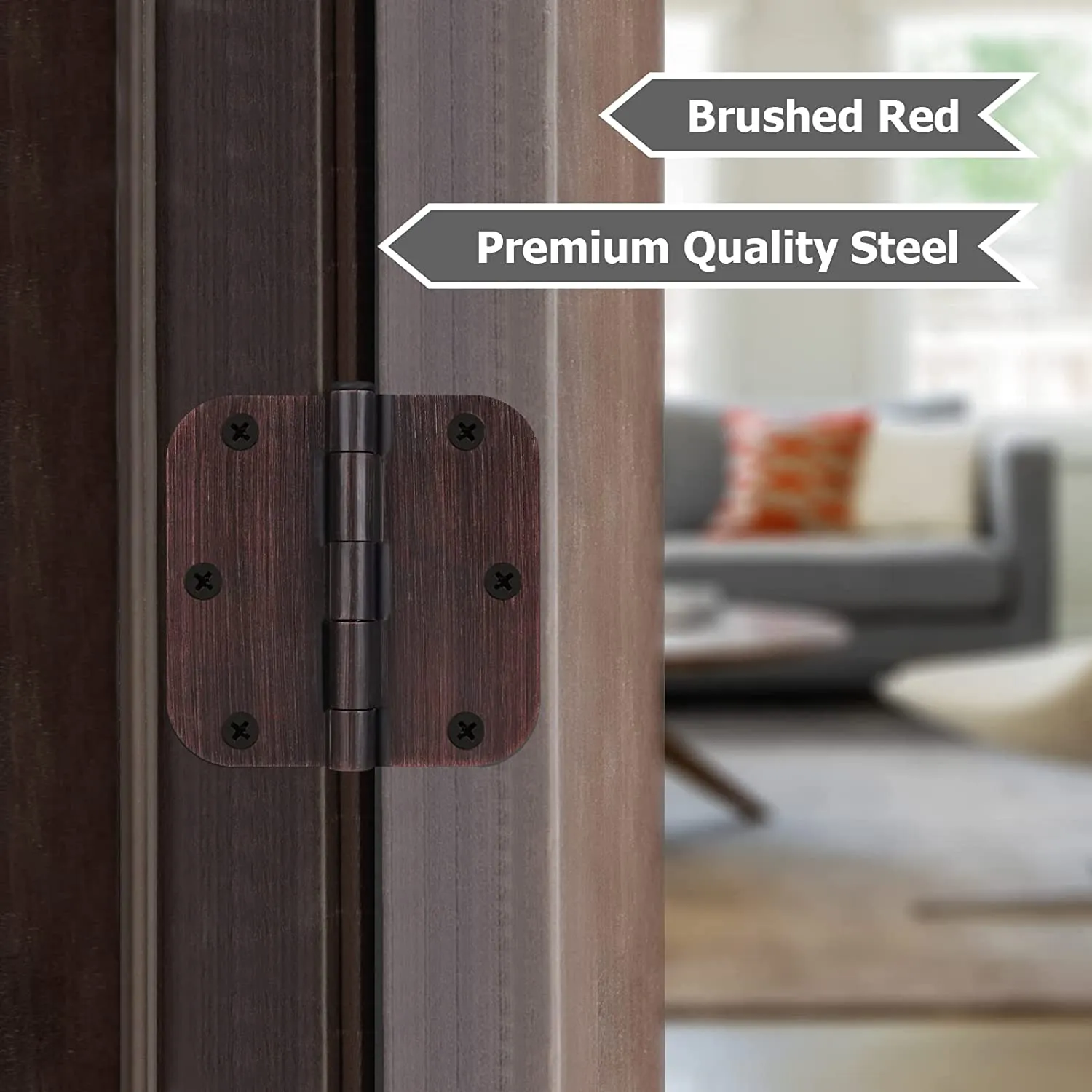
A satin nickel finish works well in most homes. Oil rubbed bronze adds warmth to traditional rooms. Black finishes suit modern or industrial spaces.
Maintenance and Longevity
Proper care extends the life of any hinge. Regularly clean hinges by wiping away dust and dirt. Lubricate with silicone spray or light oil to keep doors moving smoothly. Inspect hinges for rust or wear, especially in humid rooms. Environmental factors like humidity and temperature can affect hinge performance, so choose materials that match your room’s needs. Good maintenance ensures safety and keeps doors working well for years.
Style and Compatibility
Matching Hinge Style to Room Decor
Choosing the right hinge style helps each room in your home look its best. The table below shows how to match hinge styles with popular decor themes. This makes it easy to select inside door hinges that fit your design.
Decor Theme | Hinge Style Recommendations |
|---|---|
Modern | Sleek shapes, simple lines, finishes like Matte Black, Polished Chrome, or Satin Stainless Steel |
Traditional | Rounded or curved shapes, brass or antique brass finishes, substantial hardware |
Rustic | Straight lines, barn-style details, finishes like Matte Black or Oil-Rubbed Bronze |
A modern room looks best with simple, geometric hinges. Traditional rooms benefit from classic shapes and warm finishes. Rustic spaces often use bold, dark finishes and sturdy designs.
Coordinating with Existing Hardware
Consistency is important for a polished look. When choosing door hinges, consider these points:
Match hinge finishes with other hardware, such as knobs and handles, for a unified appearance.
Treat hinges as part of the overall design, not just as functional parts.
Keep hardware finishes consistent to create a cohesive look.
Make sure hinges complement light fixtures and furniture in the room.
This approach helps every door blend with the rest of the home.
Ensuring Door and Frame Compatibility
Proper compatibility ensures safety and smooth operation. Follow these steps:
Select hinges based on the door’s weight and how often it is used.
Check manufacturer instructions for installation.
Make sure the hinge fits the door, frame, and other hardware.
Choose the right size and material for durability.
Pick a hinge style that matches the room’s design.
New trends include soft-close, concealed, and adjustable hinges. These options improve both function and style in modern homes.
Installation Tips for Inside Door Hinges
Pre-Drilled vs. Custom Installation
Choosing between pre-drilled and custom installation affects both the ease and outcome of your project. Pre-drilled hinges come with holes already made, which simplifies the process. They save time and reduce mistakes that can damage the door or frame. Pre-hung doors, often used in new construction, include the frame, hinges, and sometimes the lockset. This makes them convenient for many homeowners. Slab doors, on the other hand, offer more customization but require extra work. Custom installations need careful measuring and more skill. They allow you to measure door hinges for the correct size and fit, but they take more time and effort.
Tip: Pre-drilled hinges are best for quick replacement hinges, while custom installations suit unique or older doors.
Fitting and Alignment Tips
Proper fitting ensures safety and smooth functionality. Start by checking that all screws are tight in both the door and the frame. Use longer screws for the top hinge if you notice sagging. Place the top hinge about five inches from the top and the bottom hinge ten inches from the bottom. For heavier doors, add a third hinge in the center. Always keep the hinge axes straight and parallel to the door edge. High-quality hinges help prevent frequent alignment problems. Regular maintenance, such as tightening screws, keeps the door working well.
Troubleshooting Common Issues
Many common problems can occur during installation. The table below shows typical issues, their causes, and solutions:
Issue | Description | Solution | Upgrade Suggestion |
|---|---|---|---|
Misalignment | Door does not close or is uneven | Adjust screws or reposition the hinge | Self-closing hinges |
Rust/Corrosion | Hinges show rust, affecting movement | Clean and lubricate the hinge | Stainless steel hinges |
Noise | Hinges creak or squeak | Lubricate with silicone or WD-40 | Low-friction door hinge |
Incompatibility | Hinge does not fit the door or frame | Check specs and modify as needed | Universal or replacement hinges |
Over-rotation | Door swings too far open or closed | Install a stop or adjust hinge placement | Self-closing or soft-close hinge |
Improper installation can lead to door binding, uneven wear, or even frame damage. Always measure carefully and choose the correct TDC residential hinges for inside door hinges to ensure long-lasting performance in your home.
Selecting the right inside door hinges improves both safety and style in your home. Always measure the door, match hinge type and material, and check load capacity. Use this checklist:
Gather tools and measure carefully
Mark and pre-drill holes
Align and fasten each hinge
Test door movement
Apply these steps for every door.
FAQ
Can you get inside hinges on an outward-opening door?
Yes. You can install a hinge on the inside of an outward-opening door, but it may reduce security. Exterior doors usually use outside hinges.
How do you clean inside door hinges?
Remove dust with a dry cloth. Apply a small amount of oil to the hinge pin. Open and close the door to spread the lubricant.
How do you install inside door hinges?
Mark the hinge position on the door and frame. Pre-drill holes. Attach the hinge with screws. Test the door for smooth movement.
Related articles
-
Types of Door Hinges That Make Home Upgrades Easy
Types of door hinges like butt, ball bearing, and concealed hinges offer easy home upgrades, improved function, and style for any door or renovation project.Jan-28-2026 Learn More >> -
How Industrial Hinges Are Shaping Manufacturing Trends in 2026
Industrial hinges boost efficiency, safety, and adaptability in manufacturing, driving 2026 trends like smart features, sustainability, and automation.Jan-28-2026 Learn More >> -
Everything You Need to Know About Residential Door Hinges
Find the best residential door hinges for your home by matching hinge type, size, and material to your door’s weight, location, and usage needs.Jan-28-2026 Learn More >>

Contact
Tel: +8613325838282
Add: 12819 Telegraph Road Santa Fe Springs, CA 90670
Follow Us:


