Stainless Steel Strap Hinges: Durable & Corrosion-Resistant Hardware for Heavy-Duty Applications
What is stainless steel strap hinges
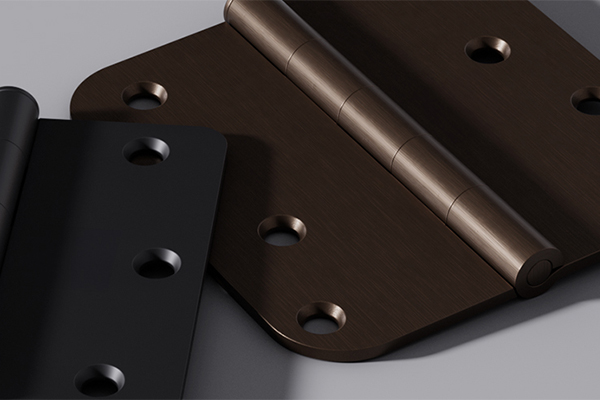
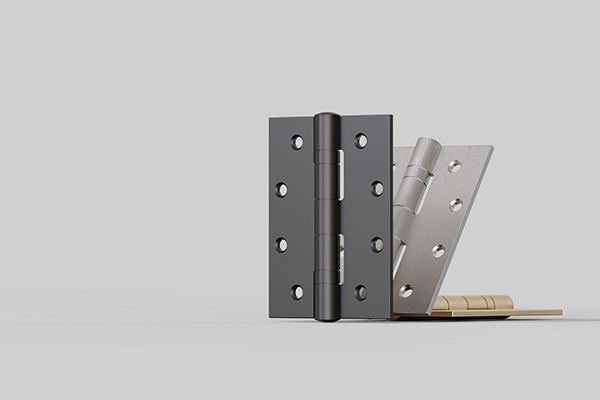
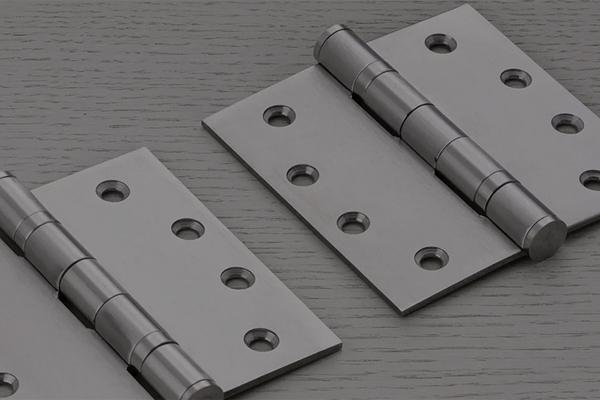
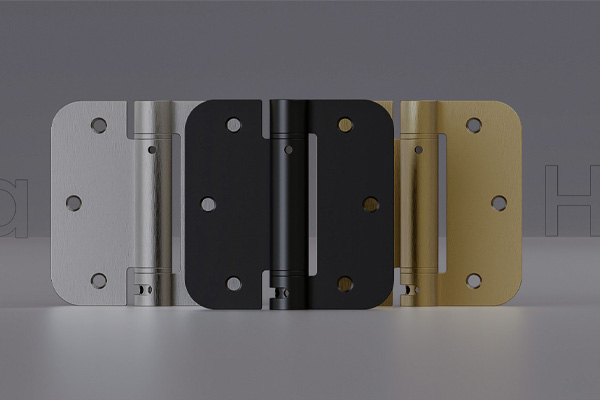
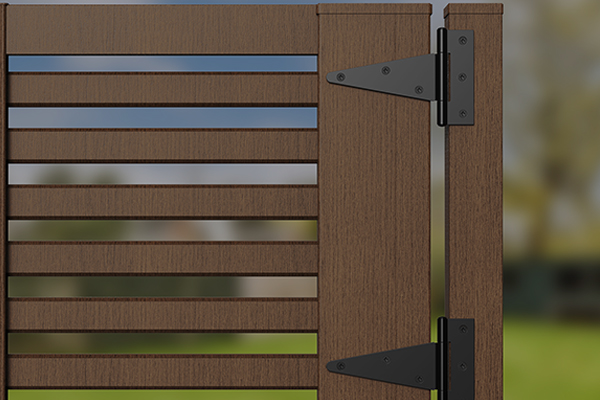
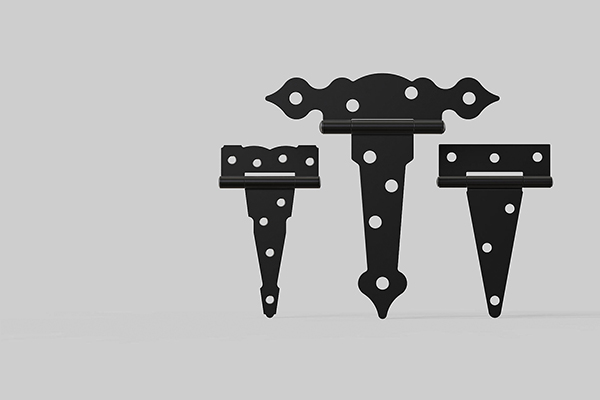
Stainless steel strap hinges are a specific type of hardware used for hanging doors, gates, lids, and other swinging structures. Characterized by their long, narrow leaves (or straps) that extend along the surface of the door and frame, they are a traditional and highly robust hinge design. The term "strap" refers to the elongated shape of the hinge plates, which provide a large surface area for secure fastening, distributing weight and stress over a wider area. This fundamental design is what makes them exceptionally strong and suitable for handling heavy loads and withstanding frequent use. The primary material, stainless steel, is an iron alloy containing a minimum of 10.5% chromium, which gives the hinges their defining property: exceptional resistance to rust and corrosion. This combination of a strong mechanical design and a resilient material makes stainless steel strap hinges a preferred choice for both demanding industrial environments and aesthetically conscious residential projects where durability and longevity are paramount. They are commonly manufactured in grades like 304 and the more corrosion-resistant 316 (marine grade), and are available in various finishes such as brushed, polished, or satin to match different architectural styles.
Stainless steel strap hinges are a fundamental component in construction, manufacturing, and woodworking, designed specifically for applications where strength, longevity, and environmental resistance are non-negotiable. The defining feature of a strap hinge is its long, narrow leaf that extends along the surface of the door and the frame or cabinet. This elongated design is not merely aesthetic; it serves a critical engineering purpose. By providing a large surface area for screw or bolt placement, the hinge distributes the operational stress and weight of the door over a wider area. This prevents point load concentration, which can cause the wood to split or the metal to fatigue over time, leading to hinge failure. The "stainless steel" aspect refers to the specific alloy used in their manufacture. Stainless steel is an iron-based alloy containing a minimum of 10.5% Chromium. This chromium content is crucial as it reacts with oxygen in the air to form a passive, invisible, and adherent layer of chromium oxide on the surface. This layer is self-repairing; if scratched or damaged, it re-forms in the presence of oxygen, providing continuous protection. This mechanism grants stainless steel its renowned resistance to rust, staining, and corrosion, which is far superior to standard carbon steel or plated hinges. Common grades include Type 304, which offers excellent corrosion resistance for most environments, and Type 316, which includes Molybdenum for enhanced resistance to chlorides and is often specified for coastal "marine-grade" applications or areas where de-icing salts are used. These hinges are ubiquitous in both heavy-duty industrial settings—such as warehouse doors, machine guards, and utility gates—and in residential and commercial projects like large garden gates, barn doors, chest lids, and decorative architectural elements. Their versatility is further enhanced by the range of available finishes, from a non-reflective brushed or satin finish that hides fingerprints and scratches to a highly polished, decorative finish that adds a sleek, modern look. The installation typically involves through-bolting for the highest security and load-bearing capacity, making them a permanent and reliable solution. In summary, a stainless steel strap hinge is a synergy of a load-bearing geometric design and a chemically resistant material, engineered to provide a durable, long-lasting, and low-maintenance pivoting solution for a vast array of demanding applications.
Advantages of stainless steel strap hinges
The advantages of stainless steel strap hinges are extensive and directly linked to their material properties and mechanical design, making them a superior choice over alternatives like galvanized steel, brass, or aluminum hinges. The most prominent benefit is their exceptional corrosion resistance. Unlike carbon steel hinges that require protective coatings like paint or zinc plating (which can chip, scratch, and wear off), the protective oxide layer of stainless steel is integral to the material itself. This makes them ideal for environments exposed to moisture, humidity, salt spray, chemicals, and temperature fluctuations. They will not rust or corrode under normal conditions, ensuring a long service life and maintaining their structural integrity and appearance for decades. This is a key reason why they are specified for coastal properties, food processing plants, breweries, and outdoor applications. Secondly, their strength-to-weight ratio is outstanding. Stainless steel is an incredibly strong and hard-wearing material, and when formed into the long-leaved strap hinge design, it creates a component capable of supporting very heavy doors and gates without bending or sagging. The extended leaf provides superior leverage and distributes the door's weight and operational forces evenly across the mounting surface, reducing the risk of pull-out and material failure. This inherent strength translates to enhanced safety and security, as the hinge is difficult to force or break. Furthermore, stainless steel strap hinges offer remarkable durability and impact resistance. They can withstand physical abuse, repeated swinging, and sudden impacts that would deform or break hinges made from softer metals. This low-maintenance nature is another significant advantage; they do not require painting or recurring protective treatments, needing only occasional cleaning with soap and water to maintain their look. From an aesthetic standpoint, they provide a clean, modern, and professional appearance that is often associated with quality and permanence. Their timeless design ensures they do not go out of style, and the material does not discolor or degrade, preserving the visual appeal of the installation. Finally, they are highly hygienic and easy to clean, as the non-porous surface does not harbor bacteria, mold, or contaminants, making them compliant with strict hygiene standards in medical, pharmaceutical, and food service industries.
The superiority of stainless steel strap hinges is not based on conjecture but is backed by their material science and proven performance in real-world applications. The primary advantage, corrosion resistance, is quantifiable. For instance, Grade 304 stainless steel can withstand exposure to a wide range of atmospheric conditions and many corrosive media. In salt spray tests (ASTM B117), 304 stainless demonstrates significant resistance to red rust formation for hundreds of hours, far outperforming plated steel hinges which may show failure in under 100 hours. Grade 316, with its 2-3% Molybdenum content, offers even greater resilience, particularly against pitting and crevice corrosion caused by chloride ions. This makes it the undisputed choice for marine environments, where search data and industry specifications consistently show "marine-grade stainless steel hinges" as a high-volume requirement. The structural advantage is equally demonstrable. The long strap design fundamentally changes the load dynamics. Instead of a few screws near the pivot point bearing the entire load, the weight is distributed along the entire length of the leaf. This is why they are specified for heavy wooden gates weighing several hundred pounds or large industrial doors. Data from architectural hardware catalogs and engineering guidelines often provide load-bearing charts specific to hinge size and material, consistently showing that larger stainless steel strap hinges can support loads that would cause failure in smaller, standard butt hinges. Their durability translates directly into a lower total cost of ownership. While the initial purchase price may be higher than a galvanized alternative, the elimination of replacement costs, repainting, and ongoing maintenance over a lifespan that can exceed 25 years provides substantial long-term savings. This is a critical factor in commercial and municipal projects where life-cycle costing is a standard practice. The hygienic properties are also a matter of material fact. The passive surface of stainless steel is non-porous, with a smooth finish that minimizes areas for microbial attachment. This is why regulatory bodies like the FDA and NSF reference stainless steel favorably in guidelines for food contact surfaces and equipment in healthcare settings. In summary, the advantages of stainless steel strap hinges—proven corrosion resistance, superior load distribution, exceptional longevity, low maintenance, and inherent hygiene—are tangible benefits supported by material standards, engineering principles, and their widespread specification across countless demanding industries and applications.

 40% Amazon Market Share
 Door Hinges Brand on Amazon
 Products Sold Worldwide





User Comments
Service Experience Sharing from Real Customers
James Wilson
Cabinet MakerThese stainless steel strap hinges are incredibly durable and corrosion-resistant. Perfect for outdoor furniture projects. The finish is smooth and installation was straightforward.
Sarah Chen
Boat BuilderExcellent quality hinges that withstand harsh marine environments. The stainless steel construction shows no signs of rust after months of saltwater exposure. Highly recommended for marine applications.
Michael Rodriguez
General ContractorReliable and sturdy strap hinges for various construction projects. They hold heavy gates securely and the stainless steel maintains its appearance over time. Good value for money.
Emily Parker
Restoration SpecialistPerfect for historic door restoration projects. The traditional strap design combined with modern stainless steel material provides both authenticity and longevity. Excellent craftsmanship.