
TDC Guide to Measuring Door Hinges Easily
TDC Guide to Measuring Door Hinges Easily
Many homeowners and professionals need to measure door hinges for replacements due to factors like heavy doors, environmental exposure, or high traffic causing wear. TDC stands out for its high customer ratings, such as a 4.9 for Magnetic Mushroom Hinge Toppers, and offers tailored solutions for every project.
Prepare to Measure Door Hinges
Gather Tools and Supplies
Before starting any measurement process, professionals recommend assembling the right tools. These items help ensure accuracy and efficiency when working with door hinges:
Tape measure
Pencil
Ruler or straight edge
Hinge template (optional)
Marking gauge (for precise measurements)
A screwdriver assists in removing hinges for detailed inspection. A notepad allows users to record measurements and notes. These tools support both residential and commercial projects.
TDC offers a comprehensive selection of hinge types and customization options. The following table highlights the variety available:

Hinge Type | Customization Options |
|---|---|
Gate Hinges | Various materials and finishes available |
Door Hinges | Custom solutions for unique projects |
Specialty Hinges | Tailored for specific applications |
Finishes | Satin, polished, matte black, antique bronze |
Engineered for durability in commercial use |
TDC’s factory-direct customization ensures that every hinge fits the specific requirements of each project.
Set Up a Safe Workspace
Safety remains a top priority when measuring or replacing door hinges. The workspace should be clear of obstacles and well-lit. Workers must avoid standing directly beneath overhead doors. The following table shows common safety incidents and statistics:
Incident Type | Statistics |
|---|---|
Overhead Door Injuries | Estimated 20,000 workplace injuries annually due to sudden mechanical failures. |
Danger Zone | A falling door can create an immediate danger zone for workers beneath it. |
Safe-T-Support manufactures safety arms that prevent overhead doors from falling during mechanical failures. These OSHA-certified devices lock the door in an open position and transfer the weight to the ground. The system activates automatically during spring breakage or cable failure.
By preparing the right tools and workspace, users can measure door hinges efficiently and safely.
How to Measure Door Hinges
Measure Height and Width
Measuring door hinges begins with determining the height and width. Installers lay the hinge flat on a stable surface. They measure the height from the top edge to the bottom using a ruler or tape measure. Standard sizes include 3 inches, 3.5 inches, 4 inches, and 4.5 inches. Next, they open the hinge fully and measure the width from the outside edge of one leaf to the outside edge of the other. This step ensures compatibility with the door and frame.
Professionals also check the distance between screw holes, both vertically and horizontally. Matching the screw hole pattern prevents misalignment during installation. For heavy or wide doors, examining the knuckle and pin is essential. These components must support the door’s weight and movement.
Tip: Removing the hinge from the door allows for more precise measurements. This practice helps avoid errors caused by uneven surfaces or obstructed views.
Check Corner Radius and Thickness
Corner radius and thickness play a critical role in fitting door hinges. Installers use a radius gauge to measure the curve at the corners. Many professionals match the radius by placing a quarter or dime against the corner. A quarter fits a 5/8-inch radius, while a dime matches a 1/4-inch radius. Measuring from the edge of the hinge to the end of the radius with a ruler or tape provides additional accuracy.
Thickness measurement requires a caliper or ruler. Installers measure the thickness of each leaf to ensure it matches the door’s requirements. Selecting larger and stronger hinges for heavier doors prevents sagging and maintains proper function. Heavy-duty hinges distribute stress evenly, preserving the alignment of the door frame and extending the lifespan of both the hinge and the door.
Note: Matching hinge thickness to door thickness is vital for safety and durability. Incorrect sizing can cause twisting, binding, and accelerated wear.
Record Accurate Measurements
Accurate recording of measurements ensures successful installation and long-term performance. Installers write down each dimension in a notepad, double-checking values before proceeding. They avoid common mistakes by closing the door properly, lining up the tape correctly, and using the right reference points.
Common Measurement Errors and How to Avoid Them:
Overlooking door weight and material
Ignoring manufacturer instructions
Failing to double-check measurements
Not accounting for door thickness
Using incorrect reference points
Rushing the measuring process
Accurate measurements and proper tool usage prevent misalignment and improper fitting. Installers verify that the new door and its framework match the recorded measurements. This practice saves time and reduces the risk of needing to redo work.
Step | Tool Used | Best Practice |
|---|---|---|
Measure Height | Tape measure | Lay hinge flat, measure top to bottom |
Measure Width | Tape measure | Open hinge fully, measure edge to edge |
Check Corner Radius | Radius gauge | Match with quarter or dime |
Measure Thickness | Caliper/ruler | Ensure thickness matches door |
Record Measurements | Notepad | Double-check and write down values |
Installers who follow these steps achieve precise results and select the right door hinges for every project.
Select the Right TDC Hinge
Match Measurements to TDC Hinges
Installers use their recorded measurements to select the correct TDC hinge model. TDC offers a wide range of hinge types, including butt hinges, ball-bearing hinges, continuous hinges, T-hinges, and specialty hinges. Each model suits specific applications, from interior residential doors to heavy commercial entryways. Ball-bearing hinges support heavy doors and provide smooth operation in high-traffic areas. Continuous hinges distribute weight evenly, making them ideal for fire-rated or long doors.
Hinge Type | Features | Best Uses |
|---|---|---|
Butt Hinges | Reliable, aesthetic | Interior/exterior doors |
Ball-Bearing Hinges | Smooth, heavy-duty | Entryways, commercial doors |
Continuous Hinges | Weight distribution, fire safety | Long/heavy doors |
T-Hinges | Strong, easy installation | Barn doors, gates, sheds |
Specialty Hinges | Unique needs | Marine, lid support |
Consider Door and Hinge Material
Material selection impacts durability and corrosion resistance. Stainless steel hinges deliver high strength and resist corrosion, making them suitable for exterior and heavy-duty doors. Galvanized steel also offers strong protection against rust, while aluminum hinges work best for lightweight doors. Installers match hinge material to the environment and door type.
Hinge Material | Strength | Corrosion Resistance | Recommended Use |
|---|---|---|---|
Stainless Steel | Very Strong | High | |
Galvanized Steel | Strong | High | Outdoor gates |
Aluminum Hinges | Moderate | Low to moderate | Lightweight doors |
Use TDC Customization and Support
TDC provides advanced customization options, including OEM and ODM services, size adjustments, and custom finishes. Installers benefit from factory-direct pricing and fast delivery. TDC’s quality control processes include load testing, cycle testing, salt spray resistance, and precision measurement verification. These procedures ensure every hinge meets international standards like ISO 9001 and UL 10C. TDC’s team supports customers by finalizing specifications and addressing common challenges such as misalignment or corrosion. Their stainless steel hinges feature built-in lubrication for smooth performance in hygiene-sensitive environments.
Tip: Installers can request custom hinge sizes and finishes to match unique project requirements. TDC’s experts help select the best solution for every application.
Selecting the right TDC hinge involves a few clear steps:
Measure door height, width, and thickness.
Check overlay and gap size.
Mark hinge locations and drill pilot holes.
Attach and test the hinge for smooth movement.
TDC hinges deliver long-lasting performance.
Hinge Material | Average Lifespan |
|---|---|
Stainless Steel | 10–20 years with maintenance |
Brass | Decades with light usage |
For expert guidance or custom solutions, TDC specialists stand ready to help every customer.
FAQ
How does someone know which hinge size fits a door?
They should measure the old hinge’s height, width, and thickness. TDC recommends matching these measurements to ensure proper fit and smooth door operation.
Can TDC hinges be customized for unique projects?
Yes. TDC offers factory-direct customization. Customers can select size, finish, and material to match specific project requirements.
What makes TDC stainless steel hinges a good choice?
TDC stainless steel hinges resist rust and provide smooth movement. These hinges work well for both interior and exterior doors.
Related articles
-
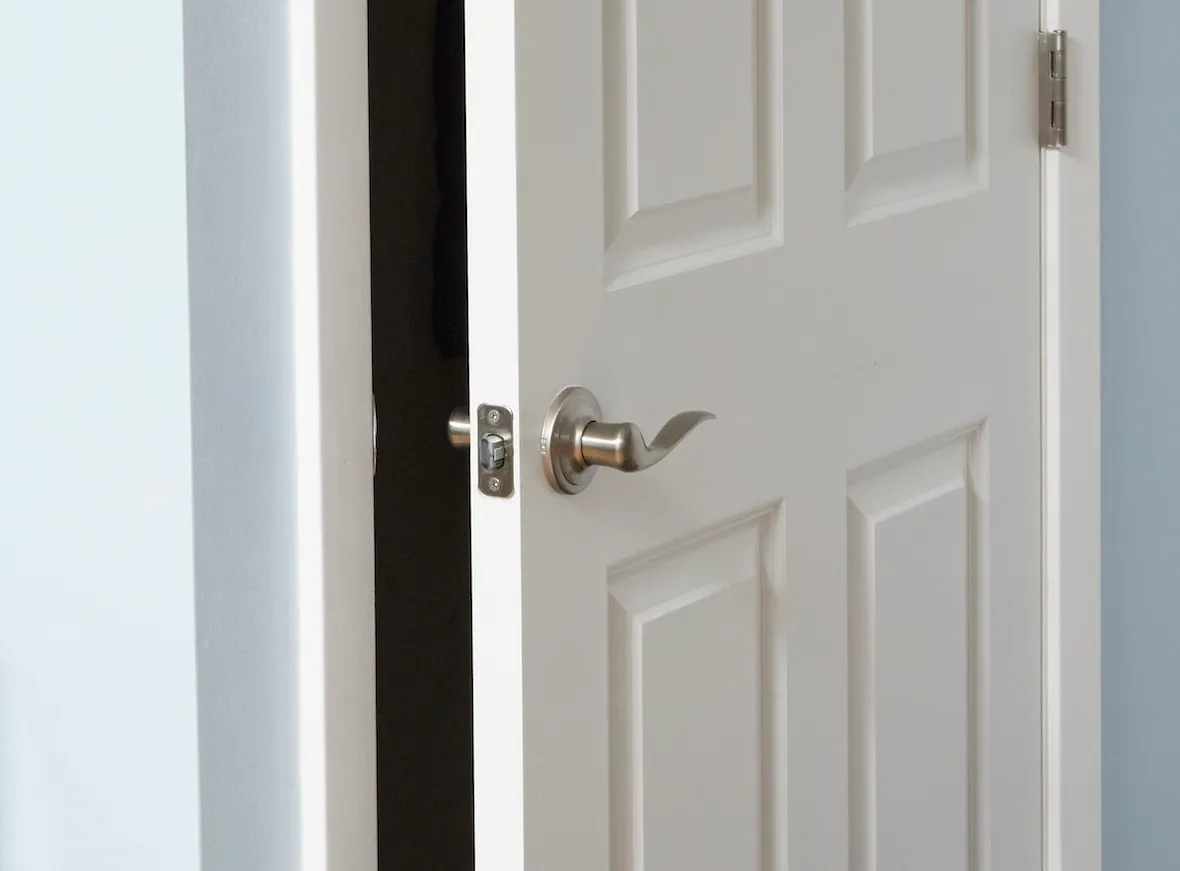
Choosing the Right Exterior Door Hinge: Key Features to Consider
Choose the right exterior door hinge by considering security, material, finish, and size for lasting durability and a perfect fit for your entryway.Mar-16-2026 Learn More >> -
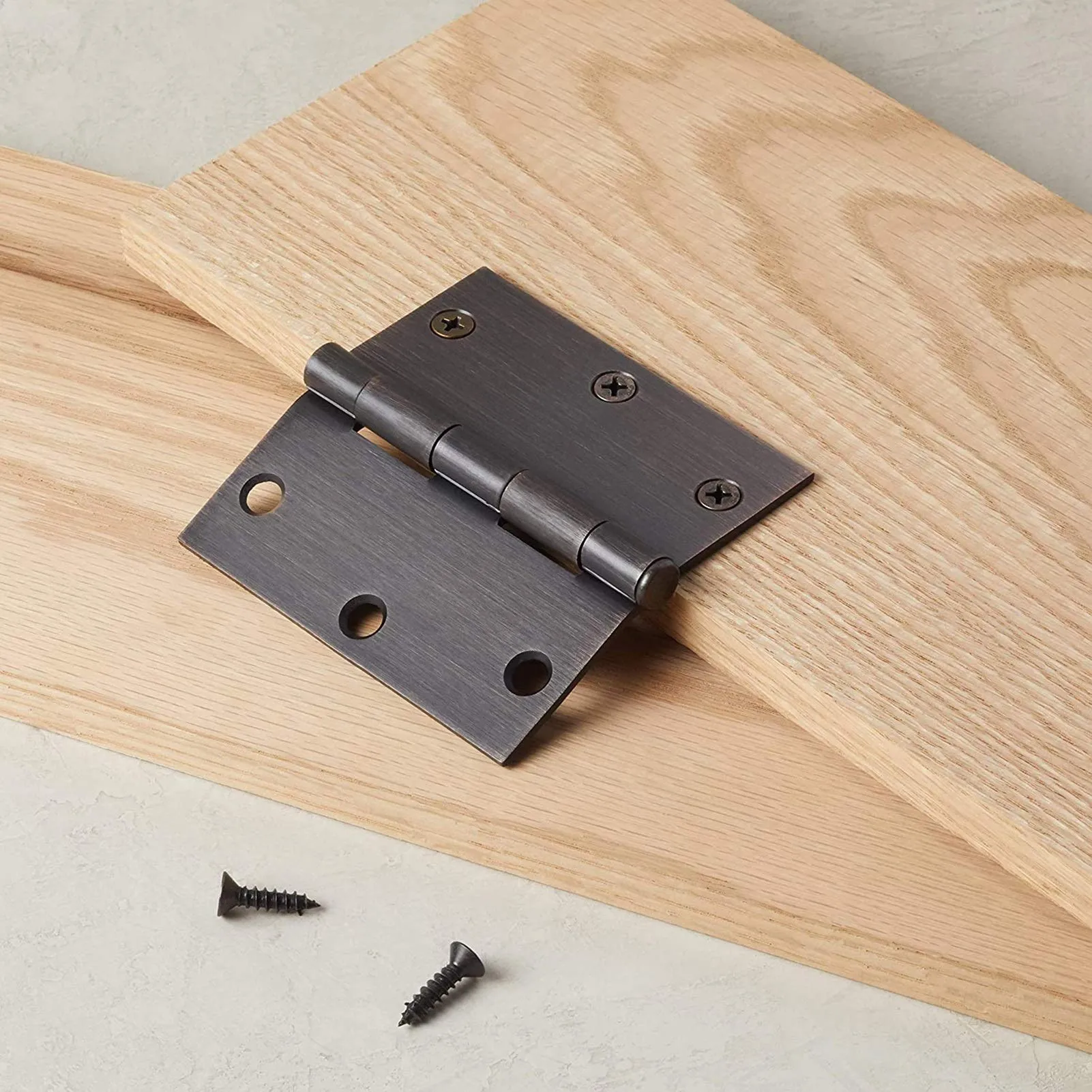
Why Your Business Needs the Right TDC Commercial Door Hinge
Choosing the right commercial door hinge boosts business security, ensures smooth operation, and reduces costly maintenance risks.Mar-16-2026 Learn More >> -
.webp)
The Importance of Locked Door Hinges for Enhanced Home Security
Locked door hinges boost home security by preventing tampering and forced entry, offering durable protection for doors against intruders.Mar-16-2026 Learn More >> -
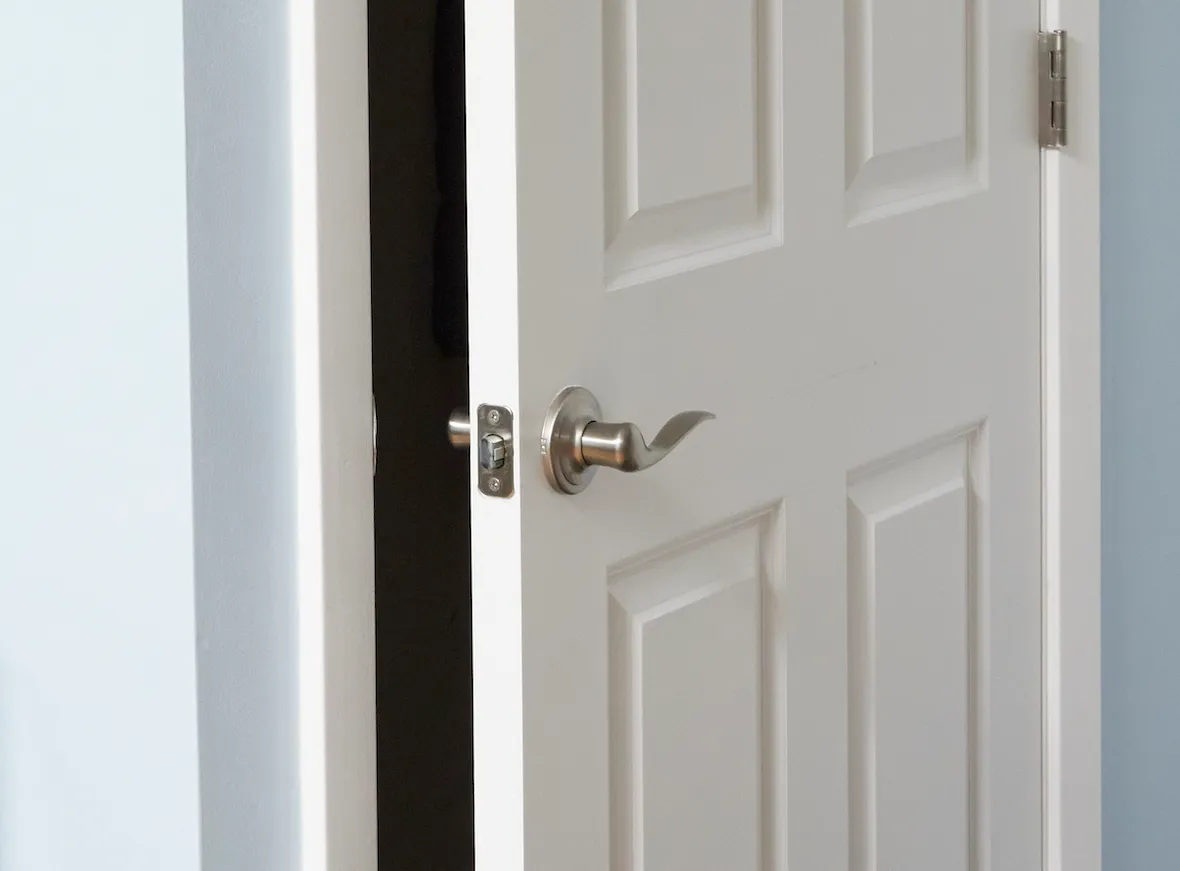
The Aesthetic Appeal of Ornamental Door Hinges: Transforming Your Home's Entryways
Ornamental door hinges elevate entryway style, boost home value, and offer durable, customizable options to match any decor for a lasting first impression.Mar-16-2026 Learn More >>

Contact
Tel: +8613325838282
Add: 12819 Telegraph Road Santa Fe Springs, CA 90670
Follow Us:


