Security door hinges help protect homes by making doors harder to remove or tamper with. Standard hinges on outswing doors can allow intruders to access hinge pins. Tamper-resistant designs increase safety. Hinge design plays a key role in preventing forced entry and improving home security.
What Are Security Door Hinges?
Definition and Purpose
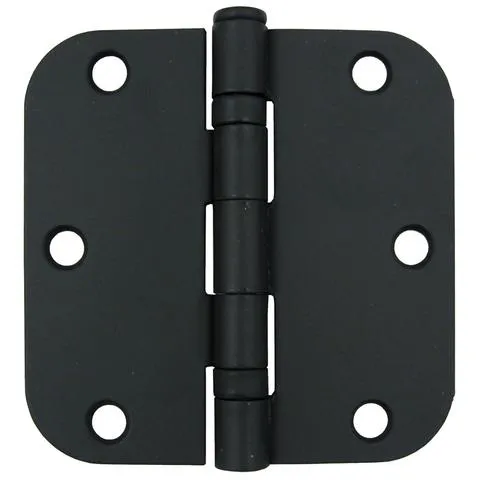
Security door hinges serve as specialized hardware designed to strengthen doors and prevent unauthorized access. These hinges use strong materials and advanced designs to keep doors firmly attached to their frames. Homeowners rely on security door hinges to protect entry points, especially on outswing doors. Outswing doors often expose hinge pins, which can make homes vulnerable. Security door hinges address this risk by making it much harder for someone to remove the door or tamper with the hinge.
Security door hinges play a vital role in home safety. They help keep families and property secure by stopping intruders from exploiting weak spots in door hardware.
Security Features vs. Standard Hinges
Standard hinges usually focus on basic door movement. They often lack features that protect against forced entry. Security door hinges include several important features that set them apart:
Tamper resistance: Security door hinges use non-removable pins or hidden screws. These features prevent thieves from taking the door off its frame.
Pin protection: Many security door hinges shield or lock the hinge pin. This design stops people from pulling the pin out and removing the door.
Durable materials: Security door hinges use heavy-duty metals. These materials resist bending, cutting, and other forms of attack.
The table below highlights key differences:
Feature | Standard Hinges | Security Door Hinges |
|---|
Tamper Resistance | Low | High |
Pin Protection | Minimal | Strong |
Material Strength | Basic | Heavy-duty |
Security door hinges offer better protection and help prevent break-ins. Homeowners who want to improve safety should consider upgrading to these specialized hinges.
How Security Door Hinges Work
Preventing Forced Entry
Security door hinges use several mechanisms to stop forced entry. Manufacturers design these hinges to shield hinge pins from outside access. Outswing doors often expose hinge pins, which can make them easy targets for intruders. Security door hinges cover or lock the pins, so thieves cannot remove them. Some models include security studs that interlock when the door closes. These studs keep the door attached to the frame, even if someone removes the hinge pins.
Tip: Outswing doors need security door hinges more than inswing doors. Outswing doors expose hinge hardware, which increases risk.
Tamper Resistance
Tamper resistance is a key feature of security door hinges. Designers use non-removable pins and hidden screws to block tampering. Intruders often try to remove hinge pins or unscrew hinges to take off the door. Security door hinges prevent these actions by using special fasteners and pin designs. Some hinges have set screws that lock the pin in place. Others use welded or crimped pins that cannot be pulled out. These features make it very hard for someone to bypass the hinge and enter the home.
Types of Security Door Hinges
Security door hinges come in several types. Each type offers unique protection:
Security Stud Hinges: These hinges have a stud that fits into a hole on the opposite leaf. When the door closes, the stud locks the two sides together.
Non-Removable Pin Hinges: The pin cannot be removed when the door is closed. This design stops thieves from taking out the pin and removing the door.
Continuous Hinges: Also called piano hinges, these run the full length of the door. They spread force across the entire hinge, making it harder to pry the door open.
The table below shows the main types and their benefits:
Type | Main Benefit |
|---|
Security Stud Hinges | Prevents door removal |
Non-Removable Pin | Blocks pin extraction |
Continuous Hinges | Distributes force, resists prying |
Key Security Features
Security door hinges include several important features:
Material Strength: Manufacturers use heavy-duty metals like steel or brass. These materials resist bending and cutting.
Tamper Resistance: Non-removable pins, hidden screws, and welded parts block tampering.
Design: Hinges often include shields or covers for pins. Some models use interlocking parts for extra strength.
Note: Strong materials and smart designs make security door hinges much more effective than standard hinges.
Installation and Maintenance
Proper installation and regular maintenance help security door hinges work at their best. Installers should use all screws provided and make sure the hinges fit tightly against the door and frame. Homeowners should check hinges for loose screws or signs of wear. Lubricate moving parts to prevent rust and keep the hinge working smoothly. Replace damaged hinges right away to maintain security.
Installation Tips:
Use long screws that reach deep into the door frame.
Align hinges carefully for smooth operation.
Test the door after installation to make sure it opens and closes easily.
Maintenance Checklist:
Inspect hinges every few months.
Tighten loose screws.
Apply lubricant to moving parts.
Replace worn or damaged hinges.
Security Hinges vs. Standard Hinges
Security door hinges offer much better protection than standard hinges. Standard hinges often use basic pins and screws. Intruders can remove these parts with simple tools. Security door hinges use advanced designs and strong materials to block these attacks. They protect hinge pins, use tamper-resistant fasteners, and spread force across the door. Homeowners who use security door hinges reduce the risk of forced entry and keep their homes safer.
Feature | Standard Hinges | Security Door Hinges |
|---|
Pin Protection | Low | High |
Tamper Resistance | Minimal | Strong |
Material Strength | Basic | Heavy-duty |
Forced Entry Defense | Weak | Robust |
Security door hinges provide a strong defense against break-ins. They help homeowners protect their families and property.
Security door hinges protect homes from forced entry and tampering.
Homeowners should check their current door hardware.
Upgrading to stronger hinges increases safety.
Taking action today helps families feel secure. Improved hardware creates a safer living space for everyone.
FAQ
What makes security door hinges different from regular hinges?
Security door hinges use stronger materials and tamper-resistant designs. These features help prevent forced entry and protect homes from intruders.
Can homeowners install security door hinges themselves?
Most homeowners can install security door hinges with basic tools. Manufacturers provide instructions. Proper installation increases safety and ensures hinges work as intended.
How often should someone check or maintain security door hinges?
Experts recommend checking security door hinges every few months. Regular inspections help spot loose screws, rust, or damage. Maintenance keeps hinges strong and reliable.
Task | Recommended Frequency |
|---|
Inspect Hinges | Every 3-4 months |
Tighten Screws | As needed |
Lubricate Hinges | Twice a year |
Tip: Regular maintenance extends hinge life and improves home security.