
Types of Door Hinges That Make Home Upgrades Easy
Types of Door Hinges That Make Home Upgrades Easy
Choosing the right types of door hinges can transform a simple home project into an easy upgrade. Homeowners often find butt hinges, ball bearing hinges, spring-loaded butt hinges, and offset hinges among the most popular types of door hinges. These types of door hinges show impressive versatility, fitting many styles and functions. Types of door hinges like overlay, pivot, and invisible hinges also offer unique solutions. With so many types of door hinges, finding the perfect match for your home becomes simple. Explore the types of door hinges that blend style with convenience.
Butt Hinges Overview
What Are Butt Hinges?
Butt hinges are one of the most common types of door hinges found in homes and buildings. These hinges consist of two rectangular metal plates joined by a pin. When installed, butt hinges sit flush with the surface of the door and frame. A recess is cut into both the door and the jamb, allowing the hinge to fit snugly and operate smoothly. The straightforward design makes butt hinges easy to install and maintain.
Feature | Description |
|---|---|
Sturdiness | Butt hinges are durable and reliable, capable of withstanding frequent use and heavy doors. |
Simplicity | These hinges have a straightforward design and operation, making them popular for various applications. |
Variety | Available in various sizes and materials, including stainless steel and brass, allowing for customization. |
Materials used for butt hinges include steel, stainless steel, brass, and aluminum. Steel is strong and commonly used for interior doors. Brass and stainless steel offer corrosion resistance, making them suitable for exterior doors. Aluminum is lightweight and works well for less demanding applications.
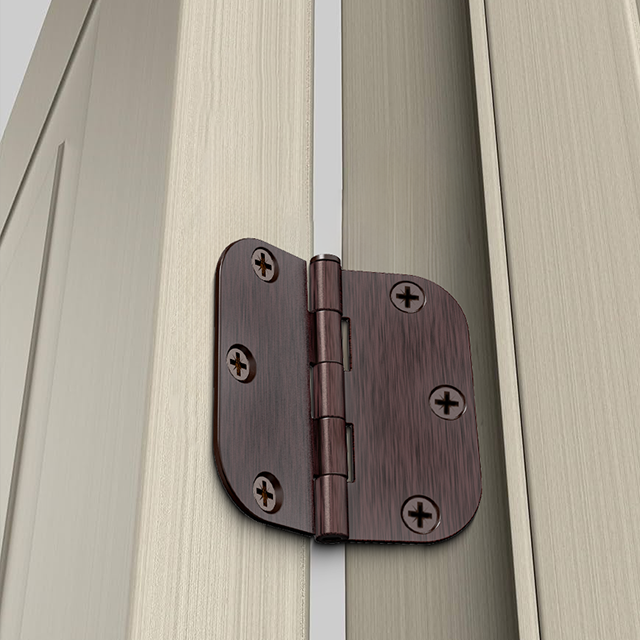
Best Uses for Standard Doors
Butt hinges are ideal for standard residential doors. Homeowners often choose these door hinges for their silent operation and neat appearance. They work well for interior doors, entry doors, and even some commercial doors. In industrial settings, butt hinges are used where durability and sealing ability are important, especially in corrosive environments.
Common applications:
Interior residential doors
Exterior entry doors
Commercial doors requiring ADA compliance
The ball bearing butt hinge is a considerable improvement over the plain bearing model, making it ideal for heavy entryway doors and high traffic commercial entryways.
Why Butt Hinges Are Popular
Many homeowners and builders prefer butt hinges for several reasons. These door hinges offer reliability and versatility across different applications. Their aesthetic appeal comes from a wide variety of design options and finishes. Butt hinges require little maintenance and last for years. They are compatible with many door materials and environments, making them a practical choice for most home improvement projects.
Reasons for popularity:
Reliability and versatility
Attractive design choices
Durability and low maintenance
Compatibility with different doors
Ball-Bearing Door Hinges
Smooth and Quiet Operation
TDC Ball-bearing door hinges stand out for their smooth and quiet movement. Each hinge contains small ball bearings that roll between the moving parts. This design reduces friction and prevents metal pieces from grinding together. As a result, doors open and close with less noise. Many homeowners notice a big drop in squeaks and grinding sounds after installing these hinges. The ball bearings also act as a buffer, absorbing pressure and making the operation almost silent.
Ball bearings roll smoothly, reducing friction.
The design prevents metal parts from grinding.
Homeowners report less door noise and fewer squeaks.
Ideal for Heavy or High-Traffic Doors
Ball-bearing door hinges work well for heavy doors and doors used often. These hinges can support up to 60 kg when three are used on a door. Standard residential models can handle doors weighing up to 200 pounds. This makes them a top choice for entry doors, commercial spaces, and any area where strength and reliability matter. The strong construction helps maintain door alignment and ensures long-lasting performance.
Durability Benefits
Ball-bearing door hinges offer impressive durability compared to standard types. The table below highlights key features and performance differences:
Feature | Ball-Bearing Hinges | Standard Butt Hinges |
|---|---|---|
Durability | Last significantly longer under heavy use | Wear out faster over time |
Smooth Operation | Virtually silent and effortless | Can be noisy and require maintenance |
Versatility | Suitable for heavy doors in various settings | Best for lightweight doors |
Security | Fixed-pin design for enhanced protection | Standard pin, less secure |
These features make ball-bearing door hinges a smart upgrade for anyone seeking better performance and longer life from their doors.
Continuous (Piano) Hinges
Support for Long or Heavy Doors
Continuous hinges, also called piano hinges, run the entire length of a door or panel. This design helps distribute weight evenly, making them a strong choice for long or heavy doors. The table below highlights the main features and benefits of continuous hinges:
Advantage | Description |
|---|---|
Equal weight distribution | Distributes the weight of the door equally throughout its length, enhancing installation efficiency. |
Durability | Stronger and more durable due to equal weight distribution, beneficial for commercial applications. |
Security | Higher durability translates to added security, especially important in home or office installations. |
Smooth Movement | Facilitates quieter operation, crucial in environments with frequent door use. |
Easy Installation | Straightforward to install and requires minimal maintenance, making it cost-effective over time. |
These door hinges help prevent sagging and misalignment, especially in doors that see frequent use. Their sturdy construction also adds a layer of security to any entryway.
Where to Use Piano Hinges
Piano hinges are versatile and work well in many settings. They provide even support for long, narrow openings and are often found in both residential and commercial spaces. Common uses include:
Heavy or frequently used doors
Piano lids and cabinet doors
Furniture pieces and industrial equipment
Marine and aviation components
Architectural fixtures
These features make continuous hinges a practical solution for projects that require stability and smooth movement. They reinforce joints and help prevent warping, ensuring doors and panels operate reliably over time.
Concealed Door Hinges
Modern and Minimalist Appeal
Concealed hinge designs have become popular in homes that favor a modern or minimalist look. These hinges remain hidden from view when the door is closed, which helps create a clean and uncluttered appearance. Many designers choose concealed hinge options for living spaces that require a sleek finish. The following features make concealed hinge styles suitable for contemporary interiors:
Hidden placement enhances the aesthetics of any room.
Minimalist look fits well with modern design trends.
Doors close flush with the wall or frame, creating a smooth surface.
Increased durability and easy operation add practical value.
A concealed hinge can transform the look of a door by removing visible hardware. This approach supports the minimalist style that many homeowners want in their living spaces.
Clean Look and Hidden Design
The clean look of concealed hinge models comes from their hidden installation. These hinges fit inside the door and frame, making them invisible when the door is shut. This design eliminates visible hardware and supports a seamless appearance. Many architects and homeowners prefer concealed hinge solutions for spaces that need a tidy and unobtrusive finish. The following features contribute to the appeal:
Invisible hinges enhance the overall aesthetic of modern rooms.
Seamless surfaces create a sense of order and simplicity.
Unobtrusive design appeals to contemporary architecture.
Concealed hinge options provide both style and function. They help doors blend into the wall, making the space feel larger and more open. These door hinges offer a practical solution for anyone seeking a modern upgrade.
Pivot Door Hinges
Large or Swinging Doors
Pivot hinge designs offer a practical solution for large or swinging doors. These hinges support doors that are too heavy or wide for traditional hardware. The unique suspension system allows the door to rotate on a single point at the top and bottom, rather than relying on the side frame. This design provides greater stability and reduces stress on the frame. Many architects choose pivot hinges for grand entrances or commercial spaces, where larger panels are common.
Tip: Pivot hinges are ideal for doors that need to swing in both directions, making them perfect for open-concept layouts.
Here are the main benefits of using pivot hinges for large or swinging doors:
Pivot doors provide greater stability for oversized and heavy doors.
The suspension design reduces impact on hardware, increasing longevity.
Benefit | Description |
|---|---|
Stability | Pivot doors are much more stable choices for large and heavy doors. |
Smooth Operation | Concealed pivot hardware ensures smooth and quiet motion, even with heavy doors. |
Design Flexibility | The design allows for larger panels, ideal for grand entrances or commercial spaces. |
Stability and Smooth Movement
Pivot hinge systems excel at managing heavy loads. They transfer the weight of the door vertically to the floor and head, which reduces stress on the frame and improves durability. This engineering ensures that even oversized, high-traffic doors remain aligned and easy to operate. The hinges allow for a full range of motion, so doors can swing open in both directions without resistance.
Pivot hinges provide excellent weight distribution, minimizing the chance of door sagging or misalignment.
These hinges deliver smooth and effortless opening and closing, even under frequent use.
Concealed options offer a clean, minimalist look across different door materials.
Pivot hinge technology enhances both safety and convenience. The stable movement and reliable alignment make these door hinges a top choice for modern homes and commercial buildings.
Spring and Self-Closing Hinges
Automatic Closing Feature
A spring hinge uses a mechanical system to close doors automatically. This mechanism relies on several key components:
Mechanical spring door closer system provides the main force for closing.
Spring power ensures the door returns to its closed position after opening.
Swing speed control allows for adjustments, preventing the door from slamming shut.
Hydraulic buffer absorbs shock, making the closing action smooth and quiet.
Hold open feature keeps the door open at a set angle when needed.
These features make a spring hinge an excellent choice for areas where doors must close on their own. Many homeowners install these door hinges in kitchens, garages, or entryways to improve daily convenience.
Safety and Convenience
Spring and self-closing hinges offer important safety and convenience benefits in residential settings. The following table highlights how these hinges improve everyday life:
Aspect | Description |
|---|---|
Fire Safety | Self-closing fire-rated doors help contain fire and smoke, aiding safe evacuation. |
Smoke Containment | Keeps smoke from cooking or accidents from spreading through the home. |
Injury Prevention | Reduces risk of injury for children and pets by ensuring doors close gently and securely. |
Accessibility for Elderly | Smooth door operation lowers tripping hazards and helps those with limited mobility. |
Security | Ensures doors close tightly, reducing the chance of unauthorized entry. |
Ease of Use | Requires little maintenance and guarantees doors close securely every time. |
Low Maintenance | Durable design means less upkeep compared to traditional door mechanisms. |
Spring hinge technology supports a safer and more comfortable home. It helps protect families, improves accessibility, and keeps daily routines running smoothly.
Offset and Specialty Door Hinges
Offset Hinges for Wider Openings
Offset hinges help doors open wider by moving the pivot point away from the frame. This design increases the doorway clearance by up to two inches. The extra space makes it easier for people using wheelchairs or walkers to pass through. It also helps when moving large furniture or appliances. Offset hinges can be installed on existing frames, so homeowners do not need to change the structure of the wall or door. This solution is both cost-effective and practical for improving accessibility in homes and public buildings.
Tip: Offset hinges are a simple way to make doorways more accessible without major renovations.
Strap and T-Strap Hinges
Strap and T-strap hinges look different from standard door hinges. These hinges mount on the surface of the door or gate, not inside a cutout. Strap hinges have long, narrow arms that add strength and stability. They work well for heavy gates, barn doors, and sheds. T-strap hinges have a horizontal arm and a shorter vertical piece, forming a "T" shape. This design gives both support and a unique look. Many people choose these hinges for their rustic or decorative style as well as their function.
Bi-Fold Hinges for Folding Doors
Bi-fold hinges connect panels that fold together, making them ideal for closets, laundry rooms, and patio doors. These hinges help doors fold neatly to one side, saving space and allowing for a wide, clear opening. Bi-fold doors often use glass panels, which let in more sunlight and brighten the room. The table below highlights key advantages of bi-fold hinges:
Advantage | Description |
|---|---|
Space-Saving Features | Doors fold on central hinges, needing less room than swinging doors. |
Increased Natural Light | Glass panels allow more sunlight into the space. |
Aesthetic Appeal | Available in many styles and materials to match home décor. |
Enhanced Security | Multiple locking points and enclosed tracks improve safety. |
Low Maintenance | Needs only occasional cleaning and lubrication. |
Bi-fold hinges offer a blend of style, function, and efficiency for modern homes.
Stainless Steel Door Hinges
Corrosion Resistance
Stainless steel door hinges offer impressive resistance to corrosion. Their durability comes from the unique composition of stainless steel. For example, 304 stainless steel contains 18% chromium and 8% nickel. These elements create a protective oxide layer on the hinge surface. This layer blocks moisture and oxygen, which helps prevent rust in moderate-humidity environments. In harsher settings, 316 stainless steel provides even greater protection. It includes 2-3% molybdenum, making it highly effective against chloride corrosion. This property is especially important for hinges used near saltwater or in chemical plants. Manufacturers often use treatments like passivation and electropolishing. These processes strengthen the oxide layer and extend the hinge’s lifespan. Stainless steel hinges remain reliable in both indoor and outdoor environments.
Stainless steel hinges are a smart choice for homes near the ocean or in regions with frequent rain. Their corrosion resistance means less maintenance and longer service life.
Interior and Exterior Applications
Stainless steel door hinges perform well in many settings. Their strength and durability make them suitable for both interior and exterior doors. The table below shows common applications:
Application Type | Description |
|---|---|
Medical Equipment | Used on lead-coated doors and vaults for safety and hygiene. |
Military and Defense | Installed on heavy doors in secure locations and vehicles. |
Chemical Processing | Protects containers and doors in harsh environments. |
Shipping Containers | Secures doors against weather and tampering. |
Marine Devices | Supports large doors on ships for easy access. |
Industrial Gates | Used in oil and gas plants for mobility and safety. |
Domestic Applications | Found on doors, windows, cabinets, and appliances. |
Stainless steel hinges work well in extreme temperatures.
They are ideal for fire-rated doors that must withstand intense heat.
These hinges minimize future maintenance costs, especially in hard-to-reach places.
Stainless steel hinges provide greater strength than mild steel options. They resist bending and tampering, making them a reliable choice for security doors and gates.
Comparing Types of Door Hinges
Decorative vs. Functional Hinges
When exploring door hinge types, it is important to understand the difference between decorative and functional hinges. Decorative hinges are designed to enhance the appearance of doors while still providing reliable movement. Manufacturers often use materials like brass or stainless steel for these hinges. These materials add both durability and a polished look. Decorative hinges can feature ornate patterns, unique shapes, or special finishes that match the style of a room or entryway.
Functional hinges, on the other hand, focus on performance. Their main goal is to support the door and allow it to open and close smoothly. These hinges may not have special finishes or designs, but they excel in mechanical efficiency. Homeowners often select functional hinges for areas where appearance is less important, such as utility rooms or garages.
The cost of decorative door hinge types is usually higher than standard functional hinges. This is due to the use of premium materials and finishes that improve both durability and visual appeal.
Feature | Decorative Door Hinges | Standard Hinges |
|---|---|---|
Cost | Higher, due to materials | Lower |
Decorative hinges offer a blend of style and strength, while functional hinges provide reliable support at a lower price. Both options serve important roles in home upgrades.
Note: Decorative hinges can transform the look of a door, but always check that the hinge matches the weight and use of the door.
Choosing the Right Door Hinge Type
Selecting the best door hinge types for your project involves several key factors. Each type has unique strengths, so understanding these differences helps you make the right choice. The following comparison chart of hinge types highlights their main features, decorative appeal, and best uses:
Hinge Type | Decorative Appeal | Functionality | Best Use Cases |
|---|---|---|---|
Butt Hinges | Moderate | High | Standard interior/exterior doors |
Ball-Bearing Hinges | Low | Very High | Heavy or high-traffic doors |
Piano Hinges | Low | High | Long or heavy doors, cabinets |
Concealed Hinges | High | Moderate | Modern, minimalist interiors |
Pivot Hinges | Moderate | High | Large or swinging doors |
Spring Hinges | Low | High | Self-closing doors, safety areas |
Offset Hinges | Low | High | Wider openings, accessibility |
Strap/T-Strap | High | High | Barn doors, gates, rustic décor |
Bi-Fold Hinges | Moderate | High | Folding doors, closets |
Stainless Steel | Moderate | Very High | Exterior, humid, or marine areas |
When you identify door hinge types for your home, consider the following criteria:
Criteria | Description |
|---|---|
Load-Bearing Capacity | Match the hinge type with the weight of the door or gate it will support. |
Material and Durability | Consider materials like stainless steel for corrosion resistance or zinc-plated for budget options. |
Intended Use and Aesthetics | Understand the application (commercial vs. residential) and choose a style that fits the project. |
Other important factors include:
Moisture and humidity levels
Exposure to saltwater or chemicals
Operating temperature range
Vibration and mechanical stress
When you identify door hinge types for a specific project, always check the environment and the door’s weight. For example, stainless steel hinges work best in humid or coastal areas. Ball-bearing hinges are ideal for heavy entry doors. Concealed hinges suit modern interiors where a clean look is important.
Tip: Hidden hinges enhance aesthetics by eliminating bulky hardware. However, they are often more complex and costly to manufacture. Visible hinges are easier to install and more cost-effective, but may detract from design.
Common Mistakes and Solutions for DIYers
Many homeowners make mistakes when they identify door hinge types for DIY projects. The most frequent errors include misaligned hinges, using the wrong screws, or skipping pre-drilling. These mistakes can cause doors to twist, bind, or fail to close properly.
Common Installation Errors | Consequences | Solutions |
|---|---|---|
Misaligned Hinges | Doors twist or bind, uneven stress | Use a laser level for alignment |
Incorrect Screw Specifications | Screws fail or corrode | Match screw material to hinge material |
Missing or Incorrect Spacers | Door friction, uneven gaps | Use precision-measured spacers |
Skipped Pre-Drilling | Reduced load, cracked material | Pre-drill holes and ensure alignment |
Inadequate Load Calculation | Insufficient support for heavy doors | Calculate hinge needs for each door type |
To avoid these issues, always measure carefully and follow manufacturer instructions. When you identify door hinge types, check the load requirements and use the right tools for installation.
Quick Guide: How to Choose the Right Hinge
Determine the weight and size of your door.
Decide if you want the hinge to be visible or hidden.
Match the hinge material to the environment (for example, stainless steel for outdoor use).
Consider the style and finish that best fits your décor.
Review the comparison chart of hinge types to find the best match.
Remember: The right door hinge types can improve both the function and style of your home. Take time to identify door hinge types that fit your needs and avoid common installation mistakes.
Choosing the right door hinge improves home upgrades in many ways:
Smooth door operation and better security
Enhanced visual appeal with matching hardware
Long-lasting durability from quality materials
Select hinges that fit your needs. Durable, functional hinges make every project easier. Start your next home improvement with confidence!
FAQ
How many types of door hinges are there?
Many types of door hinges exist. Common examples include butt, ball-bearing, piano, concealed, pivot, spring, offset, strap, bi-fold, and stainless steel hinges.
What are the different types of door hinges?
The main types of door hinge types include butt hinges, ball-bearing hinges, piano hinges, concealed hinges, pivot hinges, spring hinges, offset hinges, strap hinges, bi-fold hinges, and stainless steel hinges.
What type of door hinge do I need?
Use a quick reference and troubleshooting guide. Match the hinge to your door’s weight, style, and location. Consider durability, appearance, and installation needs for best results.
Related articles
-
How Industrial Hinges Are Shaping Manufacturing Trends in 2026
Industrial hinges boost efficiency, safety, and adaptability in manufacturing, driving 2026 trends like smart features, sustainability, and automation.Jan-27-2026 Learn More >> -
Everything You Need to Know About Residential Door Hinges
Find the best residential door hinges for your home by matching hinge type, size, and material to your door’s weight, location, and usage needs.Jan-27-2026 Learn More >> -
How to Choose the Right Door Hinge Size
Choose the right door hinge sizes by matching hinge height to your door’s thickness, height, and weight for smooth operation and lasting support.Jan-27-2026 Learn More >> -
Choosing the Right Outdoor Hinges for Your Garden Gates
Select outdoor hinges by matching hinge type, size, and material to your garden gate’s weight, width, and weather for lasting performance.Jan-27-2026 Learn More >>

Contact
Tel: +8613325838282
Add: 12819 Telegraph Road Santa Fe Springs, CA 90670
Follow Us:


