
Why Brass Hinges Are the Perfect Choice for Modern Homes
Why Brass Hinges Are the Perfect Choice for Modern Homes
Brass hinges remain a popular choice in modern homes due to their unique blend of style and practicality. These hinges resist tarnish and rust, making them perfect for kitchens or bathrooms. Homeowners often choose a brass hinge for its warmth and sophistication.
Enhances the style of cabinetry
Provides long-lasting durability
Complements both traditional and modern designs
Brass Hinge Benefits
Durability & Corrosion Resistance
A brass hinge offers a reliable solution for homeowners who want both strength and resistance to corrosion. Brass resists tarnish and rust better than many other metals, making it a smart choice for areas with high humidity, such as kitchens and bathrooms. The corrosion resistance of brass increases as protective oxides form on its surface, especially in environments with high moisture. This property helps maintain the hinge's appearance and function over time.
Tip: Brass hinges are ideal for stylish interior and exterior doors, while stainless steel is best for high-traffic or very moist areas.
Here is a comparison of common hinge materials and their corrosion resistance:
Material | Corrosion Resistance | Best Use Case |
|---|---|---|
Solid Brass | Moderate | Stylish interior/exterior doors |
Stainless Steel | Excellent | High-traffic and moist areas |
Steel | Moderate | Commercial and heavy-load doors |
Aluminum | Good | Lightweight, interior doors |
Brass hinges do have lower fatigue resistance than steel, which means they may wear faster in doors that are used very often. However, for most residential settings, their durability is more than sufficient.
Timeless Style & Versatility
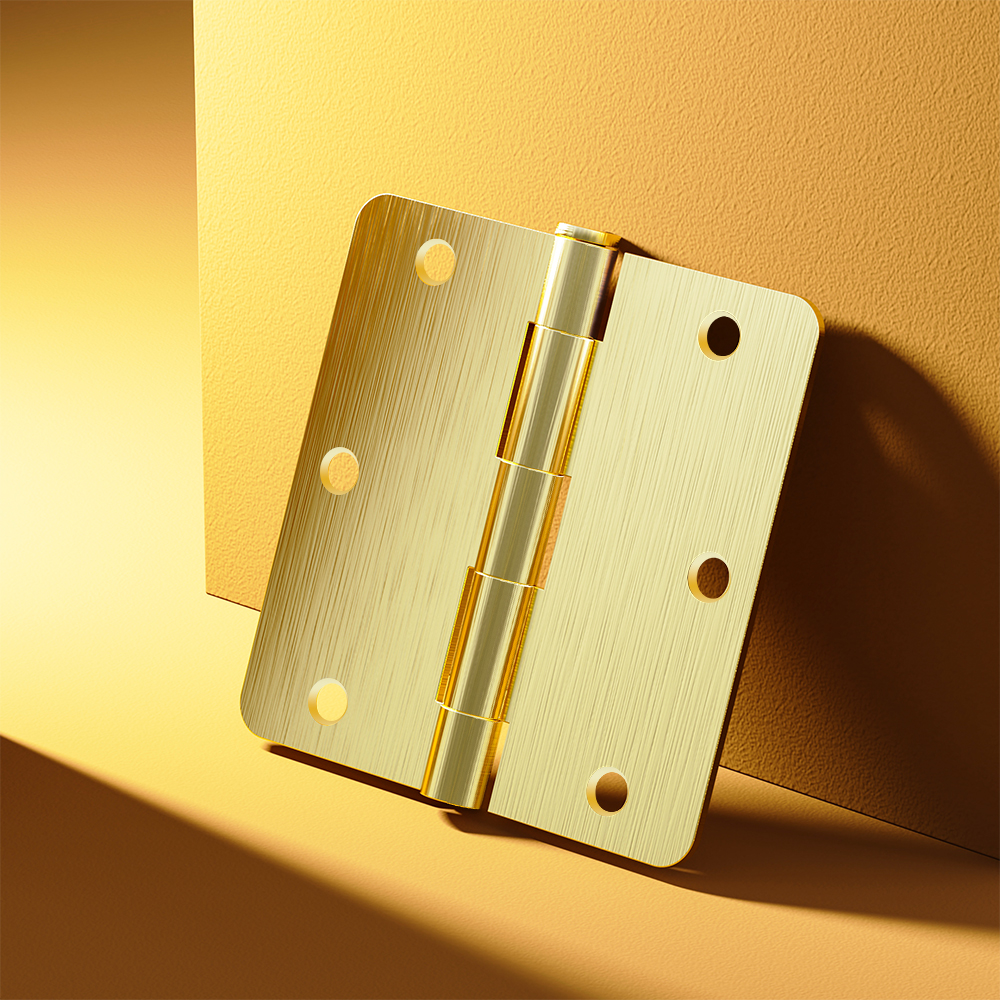
TDC Brass hinges bring a classic look that never goes out of style. The warm, golden hue of brass adds a touch of luxury and sophistication to any room. Many interior designers rate brass hinges highly for their ability to fit both traditional and modern decor. They come in a wide range of styles, making them suitable for cabinets, doors, and specialty furniture.
Brass hinges add elegance to modern home designs.
They make spaces feel more inviting and luxurious.
The golden glow of brass upgrades a home's aesthetic appeal.
High-quality hinges help balance function and style in interior design.
Brass hinges also contribute to sustainability. Brass is recyclable and has a high level of durability, which reduces waste and energy consumption over time.
Low Maintenance
A brass hinge requires some care to keep its shine and prevent tarnish. Regular cleaning with specialized brass cleaners or natural solutions like vinegar and salt helps maintain its appearance. Over time, exposure to air and moisture can cause a patina to form, which some homeowners find attractive, while others prefer to polish it away.
Brass hinges need regular cleaning to prevent tarnish buildup.
They are more susceptible to wear and corrosion in humid environments, so ongoing maintenance is important.
Stainless steel hinges need less maintenance and resist corrosion better, but brass offers a unique look.
The average lifespan of a brass hinge in a home depends on maintenance. Protective coatings can last one to three years before needing attention. Consistent upkeep extends the life and beauty of these hinges, making them a worthwhile investment for those who value both style and function.
Brass Hinge Types & Selection
Common Brass Hinge Types
Modern homes use a variety of brass hinges, each designed for specific purposes. The most common types include:
Butt Hinges: These are the standard choice for most doors. They work well with different door sizes and thicknesses.
Ball Bearing Hinges: These hinges use ball bearings to reduce friction. They are ideal for heavy or high-traffic doors because they last longer and operate smoothly.
Continuous Hinges: Also called piano hinges, these run the full length of the door. They provide extra strength and stability, making them suitable for heavy-duty applications.
Pivot Hinges: These rotate on a single point and are often used for hidden or double-swing doors.
European Hinges: These are concealed when the door is closed. They are popular in modern cabinetry for a clean look.
Strap Hinges: These decorative hinges are often seen on barn doors and gates.
Tip: For high-traffic doors, ball bearing and continuous hinges offer the best durability and performance.
Choosing the Right Brass Hinge
Selecting the right hinge depends on several factors. Door weight and size are important. Thicker and stronger hinges support heavier doors, especially for exterior use. For interior doors, standard butt hinges or European hinges often work well. Maintenance needs should also be considered, as exterior hinges face more exposure to weather and may require more care.
Aesthetic appeal matters, too. Brass hinges add elegance to both interior and exterior doors. Homeowners should also check for compatibility with other metals to avoid corrosion. Cost and maintenance requirements can influence the final decision.
Consideration | Details |
|---|---|
Door Weight | Heavier doors need thicker, stronger hinges. |
Location | Exterior hinges need more protection from weather. |
Style | Choose a hinge that matches your home's design. |
Compatibility | Avoid mixing metals to prevent corrosion. |
Maintenance | Regular care keeps hinges looking their best. |
Finish & Quality Considerations
Brass hinges come in many finishes. Popular options include satin brass, polished chrome, matte black, oil rubbed bronze, pewter, polished brass, and satin nickel. Living finishes like unlacquered brass and matte bronze are also trending.
The quality of the brass alloy affects both appearance and lifespan. Higher quality alloys resist corrosion better and last longer. Even the best brass hinges need regular maintenance to prevent tarnishing. Homeowners should look for hinges with a durable finish and consider the long-term care required.
Note: Easy-to-install hinges, such as those from major brands, can save time during renovation projects.
Brass Hinge Care
Cleaning & Maintenance Tips
Proper care keeps brass hinges looking beautiful and working smoothly. Regular cleaning prevents tarnish and buildup. Follow these steps for best results:
Dust the hinge with a dry microfiber cloth.
For fingerprints or smudges, use a cloth dampened with distilled water and wipe gently.
Always dry the hinge with a lint-free cloth to avoid water stains.
Once a month, mix mild dish soap with lukewarm water. Dip a soft cloth in the solution, wring it out, and wipe the hinge. Rinse with a clean damp cloth, then dry and buff with a microfiber cloth.
Tip: Wipe down kitchen cabinet knobs and drawer handles weekly to prevent grease buildup. Every 3–4 months, polish the hinges for extra shine.
For stubborn spots or old paint, use a soft brush and mild cleaner. Avoid harsh chemicals or ammonia-based products, as these can damage the finish. If you need to remove paint from brass hinges without taking them off, gently scrape with a wooden stick or use a soft cloth with warm soapy water.
Ensuring Longevity
Consistent maintenance extends the life of a brass hinge, especially in humid climates. The table below outlines key tasks:
Maintenance Task | Frequency | Purpose |
|---|---|---|
Clean hinges | Weekly | Reduce tarnish risk |
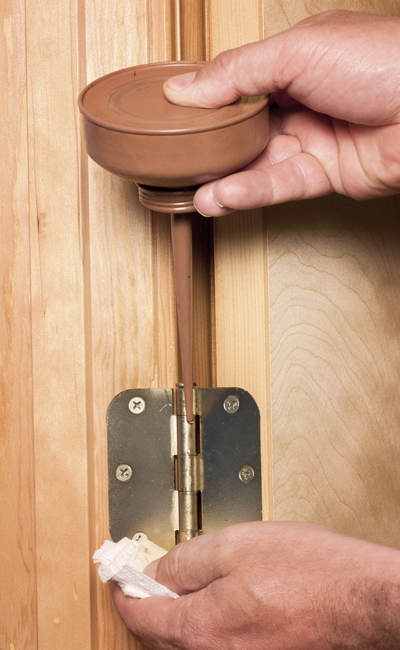
Apply wax coating | Quarterly | Enhance moisture resistance |
Lubricate hinges | Every 3 months | Prevent corrosion |
Other strategies include tightening loose screws, keeping hinges dry, and avoiding slamming doors. Regular lubrication ensures quiet operation and reduces stress on hinge pins. Brass hinges require more upkeep than stainless steel, but their classic look and durability make them a worthwhile choice for many homes.
Brass hinges stand out in modern homes for several reasons:
They resist tarnish and rust, keeping their beauty for years.
Their warm glow and range of finishes suit any style.
Brass supports heavy doors and remains quiet.
This material is sustainable and adds lasting value to your home.
FAQ
How do I clean brass hinges?
Use a soft cloth with mild soap and warm water. Dry thoroughly. For extra shine, polish with a brass cleaner. Avoid harsh chemicals.
How to remove paint from brass hinges without removing them?
Apply warm, soapy water to soften paint. Gently scrape with a wooden stick or use a soft cloth. Avoid metal tools to prevent scratches.
How to clean brass door hinges?
Dust regularly. Wipe with a damp microfiber cloth. For stubborn spots, use a mixture of vinegar and salt. Buff dry for a polished finish.
Related articles
-
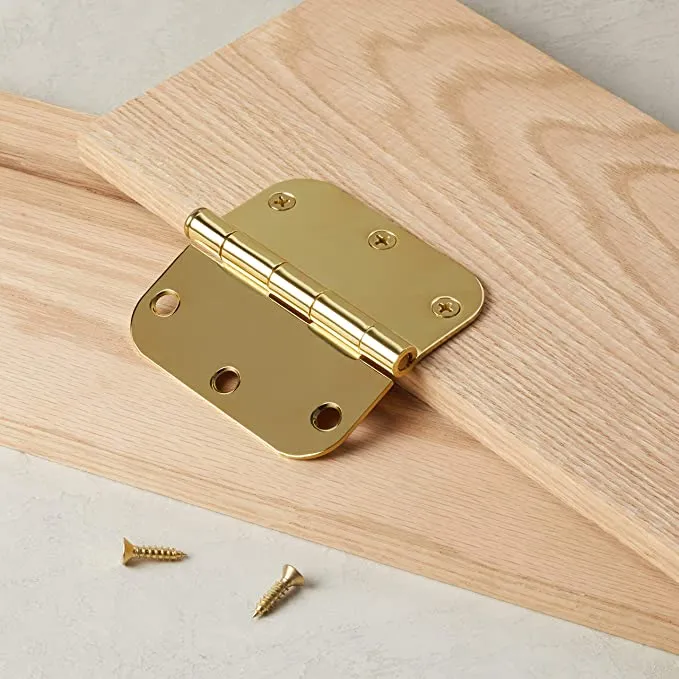
Easy Tips for Installing Door Hinges at Home
Follow these easy steps on how to install door hinges at home for a secure fit, smooth operation, and lasting results using basic tools.Feb-03-2026 Learn More >> -
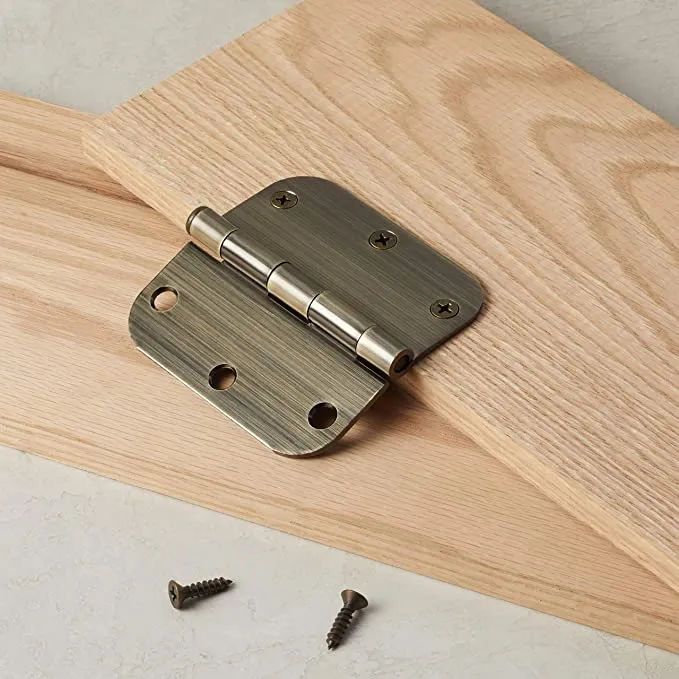
How to Choose the Perfect Inside Door Hinges for Every Room
Choose the right inside door hinges by considering door weight, room use, hinge type, and finish for smooth function and a style that fits your home.Feb-03-2026 Learn More >> -
Types of Door Hinges That Make Home Upgrades Easy
Types of door hinges like butt, ball bearing, and concealed hinges offer easy home upgrades, improved function, and style for any door or renovation project.Feb-03-2026 Learn More >>

Contact
Tel: +8613325838282
Add: 12819 Telegraph Road Santa Fe Springs, CA 90670
Follow Us:


