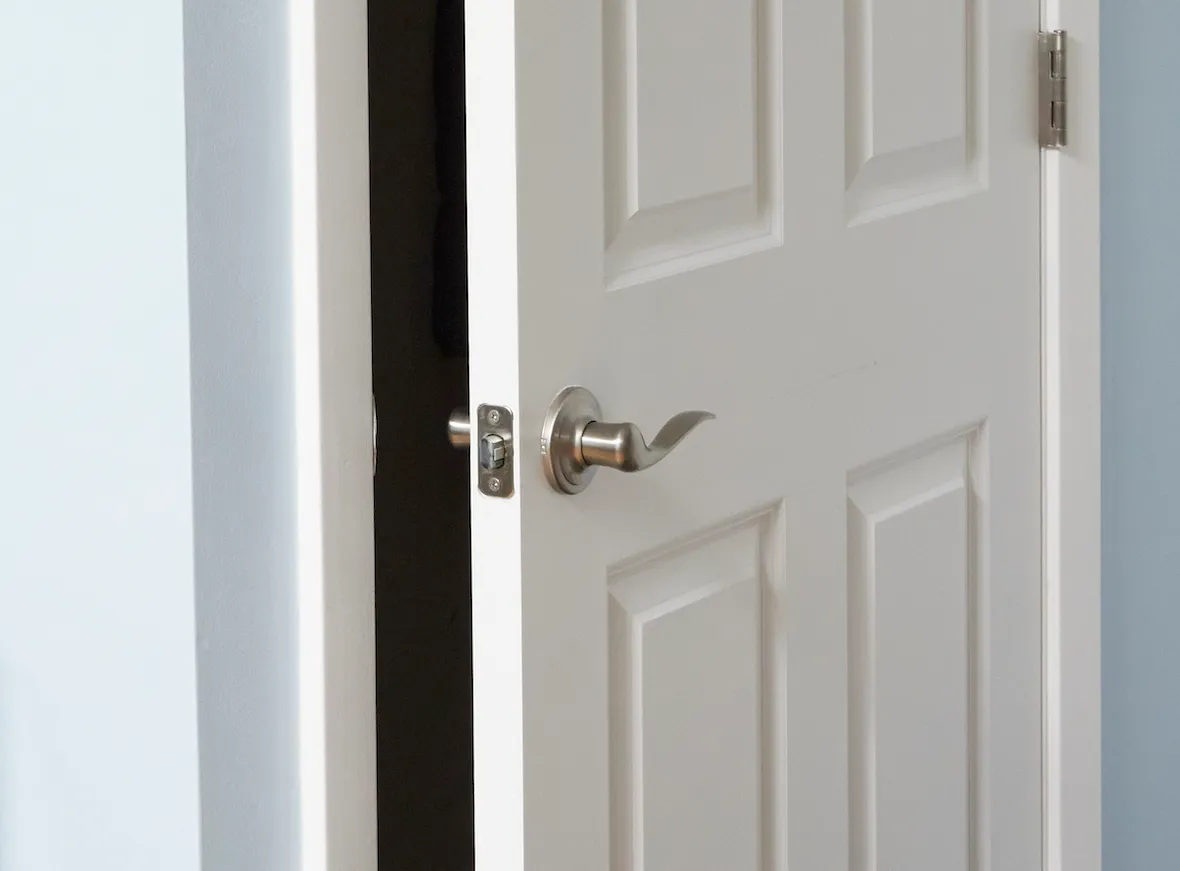
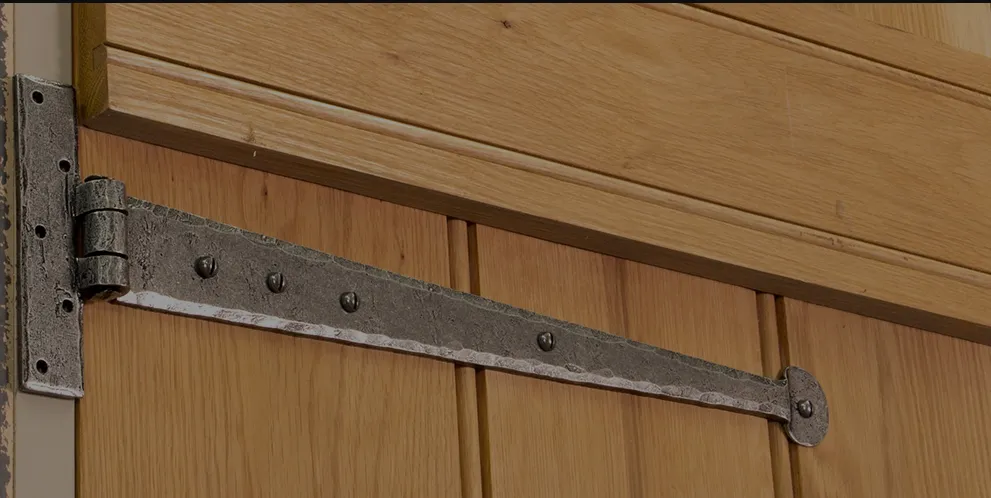
The right TDC commercial door hinge supports smooth business operations, upholds security, and ensures compliance with strict standards. Poor hinge selection can result in serious risks:
Risk Category | Description |
|---|
Safety & Compliance Risks | Door sagging or detachment; compromised safety interlocks. |
Functionality & Protection Risks | Loss of seal compression; non-compliance with IP ratings. |
Delivery & Maintenance Risks | Increased resistance, noisy operation, rust, and costly maintenance issues. |
TDC leads the market with advanced customization, offering tailored solutions for every business environment. Evaluate factors like door weight, usage, and environment to select the optimal hinge for your needs.
The Impact of Commercial Door Hinges
Door Function and Performance
A commercial door hinge plays a crucial role in the daily operation of business entryways. It supports the weight of the door and allows it to open and close smoothly, even under frequent use. The right hinge selection ensures that doors can handle high traffic without sagging or sticking. For example, heavy-duty hinges are essential for doors made from solid materials or those installed in busy areas. These hinges help maintain a steady flow of people, which is vital for both customer access and employee movement.
When a business chooses a high-quality commercial door hinge, it reduces the need for frequent repairs. Durable hinges minimize wear and tear, so doors remain functional for longer periods. Regular maintenance, such as oiling, can further extend the life of the hinge. However, premium hinges often require less upkeep, which saves time and lowers maintenance costs. This reliability keeps business operations running smoothly and prevents unexpected disruptions.
Tip: Choosing the right hinge for your door’s weight and usage can prevent costly downtime and improve the overall experience for everyone who enters your facility.
Security and Safety
Security is a top priority for any business. The commercial door hinge serves as a critical component in protecting property and ensuring the safety of employees and customers. Quality hinges help doors resist forced entry, making it harder for intruders to gain access. Strong hinges also support the door’s ability to withstand daily impacts and environmental stress.
Doors act as the first barrier against theft and vandalism, so sturdy hinges are essential for maintaining security.
Reliable hinges deter break-ins and reduce the risk of property loss.
Secure doors help create a safe environment for staff and visitors.
Some commercial door hinges, such as self-closing models, add an extra layer of safety. These hinges automatically close doors, which helps prevent accidents like trips and falls. They are especially important for fire doors, as they keep doors shut to slow the spread of flames and smoke. This feature not only protects people but also helps businesses comply with safety regulations.
A well-chosen commercial door hinge supports both the function and security of your business, making it a smart investment for any facility.
Choosing Hinges for Door Use
High-Traffic vs. Low-Traffic
Door usage directly impacts hinge selection in commercial environments. High-traffic areas, such as main entrances or corridors, require hinges that withstand frequent opening and closing. Low-traffic spaces, like storage rooms or private offices, demand less robust hardware.
Issue Type | Consequences |
|---|
Loose Hinges | Doors may sag or not close properly, leading to operational difficulties. |
Rust and Corrosion | Reduces hinge flexibility, making doors harder to operate, and may lead to breakage. |
Misalignment Issues | Causes difficulty in opening/closing, potentially damaging the door frame or locking mechanism. |
Squeaking Hinges | Indicates lack of lubrication, leading to increased friction and operational issues. |
Selecting inadequate hinges for high-traffic doors can result in operational disruptions, increased maintenance, and safety hazards. TDC addresses these challenges by offering heavy-duty hinges engineered for durability and smooth performance. For example, TDC’s stainless steel hinges with built-in lubrication are ideal for hygiene-sensitive environments, such as hospitals and laboratories. These hinges maintain flexibility and resist corrosion, ensuring reliable operation even under constant use.
Note: Choosing the right hinge for high-traffic doors reduces downtime and preserves the integrity of entryways.
Interior vs. Exterior Doors
Location also determines the appropriate hinge type. Interior doors often prioritize aesthetics and lighter materials, while exterior doors require enhanced strength and weather resistance.
Feature | Interior Door Hinges | Exterior Door Hinges |
|---|
Size | Typically 3.5"×3.5" or 4"×4" | Generally 4"×4" or 4.5"×4.5" |
Material | Often plated steel or brass | Usually stainless steel or heavy-duty plated steel |
Thickness | Commonly 16 or 18 gauge (0.059"–0.098") | Around 2.2 mm (~0.086") thick |
Finish | Focus on aesthetics (bright brass, etc.) | Rugged finishes (satin chrome, black) |
Compliance | May not require stringent ratings | Must comply with fire ratings and ADA requirements |
Exterior doors must withstand environmental stress and comply with safety regulations. TDC’s commercial door hinge solutions include specialized hinges for fire-rated doors and regulatory compliance. These products feature rugged finishes and robust materials, ensuring long-term performance in demanding conditions.
TDC’s customization options allow businesses to tailor hinges for specific environments:
Application Area | Customization Options |
|---|
Hygiene-sensitive | Stainless steel hinges with built-in lubrication |
Infection control | Hinges designed for hospitals and laboratories |
Regulatory compliance | Hinges that meet strict safety standards for facilities |
Fire protection | Specialized hinges for fire-rated doors |
TDC supports custom manufacturing for material.
Customization options include size.
Custom finishes are available.
Selecting the right hinge for each door location enhances security, compliance, and operational efficiency. TDC’s factory-direct customization ensures that every business receives hardware tailored to its unique requirements.
Types of TDC Commercial Door Hinges
TDC offers a comprehensive range of commercial door hinge solutions, each designed for specific performance and application needs. Understanding the differences between standard, heavy-duty, and stainless steel hinges helps businesses select the right hardware for every door.
Standard Hinges
Standard hinges provide reliable operation for interior doors and moderate-traffic areas. These hinges feature plain or washer-based bearings and a simple fixed pin design. They typically have a leaf thickness of 2–2.5 mm, which supports centralized stress distribution. Standard hinges offer moderate durability and are suitable for guest room doors or office spaces.
Feature | Standard Hinge |
|---|
Bearing Type | Plain or washer-based |
Leaf Thickness | 2–2.5 mm |
Pin Design | Simple fixed pin |
Durability | Moderate |
Note: Standard hinges are ideal for doors that do not experience heavy use or require advanced security features.
Heavy-Duty Hinges
Heavy-duty hinges are engineered for high-traffic entrances, fire doors, and locations where durability is critical. These hinges use ball bearing or concealed bearing systems, reinforced non-loosening pins, and thicker leaf plates (3–5 mm). This construction distributes stress evenly and prevents deformation over time. Heavy-duty hinges are common in hotel lobbies, warehouses, and hallway fire doors.
Ball bearing systems ensure smooth, quiet operation.
Reinforced pins maintain alignment under heavy loads.
Feature | Heavy-Duty Hinge |
|---|
Bearing Type | Ball bearing/concealed |
Leaf Thickness | 3–5 mm |
Pin Design | Reinforced |
Durability | Superior |
Stainless Steel Hinges
Stainless steel hinges deliver exceptional corrosion resistance and hygiene. TDC offers SUS304 for indoor and moderate outdoor use, and SUS316 for coastal or high-humidity environments. These hinges are essential in hospitals, laboratories, and exterior doors exposed to harsh conditions. Stainless steel hinges also reduce noise and require minimal maintenance.
Material Type | Corrosion Resistance | Common Application |
|---|
SUS304 Stainless Steel | Excellent | Indoor, moderate outdoor |
SUS316 Stainless Steel | Superior | Coastal, industrial, high-humidity areas |
Door Weight and Material Considerations
Load Capacity
Selecting the right hinge starts with understanding the weight and usage of your door. The weight of the door is a primary factor in hinge selection. Heavier doors place more stress on hinges, which can lead to premature wear if the wrong type is used. For frequently used heavy doors, a stainless steel weld-on hinge is often recommended. Consider the following table for guidance:
Door Type | Approx. Weight | Usage Frequency | Recommended Hinge Type |
|---|
Light Interior Door | < 40 kg | Low | Standard Stainless Steel Hinge |
Office Door | 40–60 kg | Medium | Ball-Bearing Hinge |
Fire Door / Hotel Room Door | 60–80 kg | High | Fire-Rated Hinge |
Warehouse / Industrial Door | 80+ kg | Very High | Heavy-Duty Hinge |
A commercial door hinge designed for the correct load capacity ensures smooth operation and long-term reliability.
Compatibility
The material of both the door and the hinge affects performance and longevity. Matching the right hinge material to the door material prevents issues like sticking, binding, or loosening over time. Here is a quick reference:
Material | Key Features | Best Applications |
|---|
Stainless Steel | Rust-resistant, durable | Exterior doors, high-humidity areas |
Brass | Stylish, corrosion-resistant | Interior decorative doors |
Steel | Affordable, high-strength | Heavy-duty or industrial doors |
Aluminum | Lightweight, inexpensive | Lightweight doors, temporary setups |
Seasonal sticking or binding can occur as door materials expand or contract.
Increased wear at contact points may result from temperature changes.
Mounting screws can loosen as materials cycle through different temperatures.
Choosing compatible materials for your commercial door hinge and door helps maintain performance and extends service life.
Maintenance and Durability
Easy Upkeep
Routine maintenance is essential for any hardware in a business environment. TDC hinges simplify this process with abrasion-resistant finishes and robust stainless steel construction. These features reduce the risk of surface damage and minimize the need for frequent repairs. Businesses benefit from lower maintenance costs because these hinges resist wear, even in high-traffic areas. The low-maintenance finishes also help maintain a professional appearance, which is important for customer-facing spaces.
Common maintenance issues with commercial door hinges include loose screws, rust, misalignment, and squeaking. The table below outlines these challenges:
Issue Type | Description |
|---|
Loose Hinges | Frequent opening and closing can loosen screws over time. |
Rust and Corrosion | Exposure to moisture or humidity often leads to rust on metal hinges. |
Misalignment Issues | Uneven installation or wear can cause hinges to shift out of place. |
Squeaking Hinges | Lack of lubrication and dust buildup create friction. |
TDC’s design addresses these problems by using high-quality materials and built-in lubrication, which help prevent common failures and reduce downtime.
Longevity
Durability is a critical factor when selecting a commercial door hinge. TDC hinges undergo rigorous salt spray testing (ASTM B117) to ensure corrosion resistance in harsh environments. This testing simulates years of exposure to moisture and chemicals, so hinges that pass provide long-term reliability. Stainless steel models are especially effective in demanding settings, such as hospitals and exterior doors.
The choice of finish also impacts longevity. Satin nickel and similar finishes offer a balance of aesthetics and low maintenance, making them ideal for offices and schools. In high-traffic locations, robust materials like stainless steel prevent premature wear and extend the service life of the hinge. Businesses that invest in quality hinges experience fewer replacements and less operational disruption.
Tip: Selecting hinges with proven durability and easy upkeep features helps protect your investment and ensures smooth operation for years.
Cost and Value
Upfront vs. Ongoing Costs
Investing in a high-quality commercial door hinge from TDC often means a higher initial outlay compared to standard options. However, this upfront cost quickly proves its value. Facility managers and business owners report that TDC hinges require fewer repairs and replacements over time. The durability of these hinges leads to lower maintenance expenses and less operational downtime. As a result, the total cost of ownership decreases. Businesses benefit from reliable performance, extended hinge lifespan, and reduced service calls. This approach supports long-term savings and a better return on investment.
Tip: Choosing premium hinges can help avoid frequent disruptions and unexpected repair bills, making them a smart financial decision for any facility.
Bulk Order Benefits
TDC’s factory-direct pricing model delivers significant savings, especially for large-scale projects. By eliminating distributor markups and handling all logistics, TDC ensures stable, transparent pricing. The following table highlights the advantages of ordering directly from TDC:
Feature | Current Supplier (Wholesaler/Distributor) | TDC Hinges (Factory-Direct DDP) |
|---|
Middleman Markup? | Yes. Prices include 20–40% distributor margins. | No. Direct-from-factory pricing. |
Tariff Risk? | Variable. You may be invoiced separately for Section 301 duties. | Zero. Tariffs are included in your final price. |
Customs Hassle? | Yes. You or your broker must file ISF and entry docs. | No. TDC handles 100% of US Customs clearance. |
Logistics Coordination? | Yes. You must arrange LTL trucking from a port or hub. | No. Door-to-Door delivery is managed by our team. |
Price Stability? | No. Prices fluctuate based on local warehouse overhead. | Yes. Fixed project pricing protected by our factory. |
Direct Customization? | Limited. You must choose what they have in stock. | Unlimited. Custom finishes and branding at the source. |
Bulk orders unlock further discounts, making TDC an ideal partner for businesses seeking both quality and value. The combination of reduced ongoing costs and factory-direct savings ensures that every investment in TDC hinges delivers measurable financial benefits.
Selecting the right commercial door hinge protects business safety, boosts efficiency, and reduces costs. Review these key factors:
Key Factor | Description |
|---|
Material | Choose iron or stainless steel for durability |
Fire Rating | Ensure compliance with safety standards |
Load-Bearing Capacity | Match hinge to door weight |
Design Compatibility | Align hinge style with environment |
FAQ
How do you adjust commercial aluminum door hinges?
Loosen the hinge screws slightly. Shift the door to the desired position. Tighten the screws. Check alignment and repeat if necessary for smooth operation.
How do you adjust a commercial door pivot hinge?
Locate the adjustment screw at the base or top of the pivot. Turn the screw to raise or lower the door. Test the swing and repeat as needed.
How do you fix a commercial door hinge?
Inspect the hinge for loose screws or visible damage. Tighten all screws. Replace damaged parts with compatible TDC components for optimal performance.

.webp)