Heavy Duty Weld-On Hinges: The Ultimate Guide for Industrial Applications
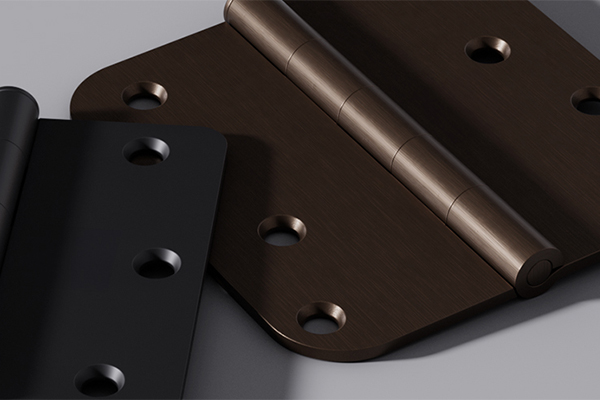
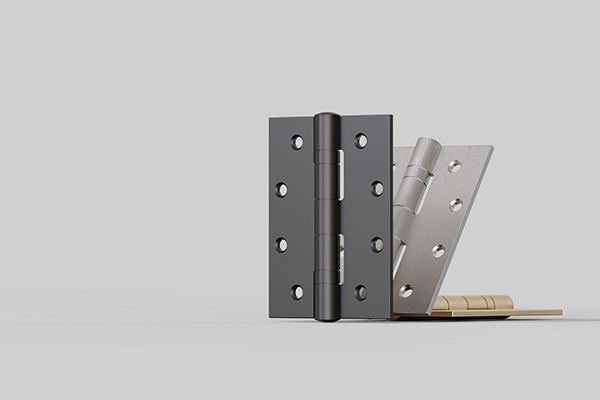
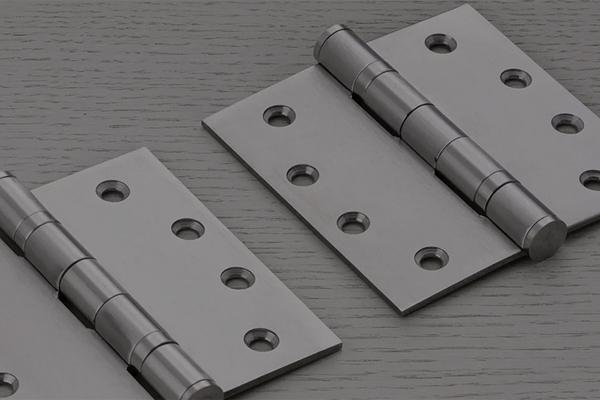
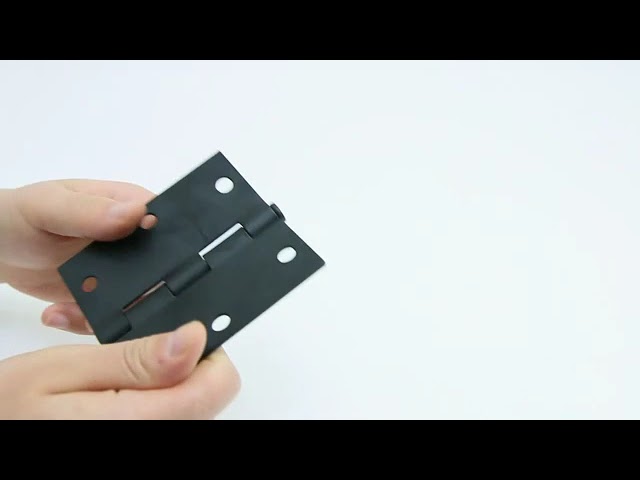
What are Heavy Duty Weld-On Hinges?Heavy duty weld-on hinges are industrial-grade hardware components specifically engineered to withstand extreme loads, frequent use, and harsh environmental conditions. Unlike standard hinges that are typically attached with screws or bolts, these hinges are permanently fused to metal frames, doors, or structures through a welding process, creating an exceptionally strong and durable connection. They are characterized by their robust construction, often made from high-grade steel, stainless steel, or other hardened metals, and are designed with reinforced knuckles and heavy-duty pivot pins. Common types include weld-on butt hinges, strap hinges, and continuous (piano) hinges, each serving specific applications where superior strength and reliability are non-negotiable. These hinges are a fundamental component in sectors where security, safety, and long-term performance are critical, forming an integral part of the structural integrity of the assembly they support.
Heavy duty weld-on hinges represent a critical category of industrial hardware, designed as a permanent mounting solution for applications where mechanical fasteners like screws are insufficient. The primary distinction lies in the installation method; these hinges are welded directly to the mounting surface, typically made of steel or other weldable metals, creating a bond that is often stronger than the base material itself. This eliminates failure points associated with screw threads pulling out or bolts shearing under stress. According to industry specifications from manufacturers like Hager Companies or Stanley Industrial, true heavy-duty weld-on hinges are constructed from materials like 1020 carbon steel, 304 or 316 stainless steel for corrosion resistance, or even galvanized steel. Their load-bearing capacity is a key metric, with many standard heavy-duty models supporting between 500 to 1,000 pounds per pair, while specialized versions for mill or refinery use can handle significantly more. The design often features reinforced knuckles—the cylindrical part where the pin is inserted—with multiple leaves interlocked to distribute the load over a larger area. The pivot pin itself is a critical component; it is often made from a hardened steel alloy and may be secured with a domed tip or a press-fit construction to prevent it from working loose during operation. Common types include the heavy-duty weld-on butt hinge, which is common on industrial doors and machine access panels; the weld-on strap hinge, which offers a larger surface area for welding and is ideal for gates and heavy lids; and the continuous weld-on hinge (or piano hinge), which runs the entire length of a door or panel, providing support along the entire height and preventing sagging. Their application is vast, spanning from the obvious—like large industrial facility doors, heavy steel gates, and warehouse loading bay doors—to more specialized uses in military vehicles, marine hatches, mining equipment access panels, and high-security enclosures. The welding process allows for a custom fit and alignment, ensuring a perfect match for the specific door and frame, which is crucial for proper operation and sealing in demanding environments. The choice of a weld-on hinge is therefore a deliberate engineering decision, moving beyond simple attachment to integrating the hinge as a fundamental, load-bearing element of the structure itself.
Advantages of Heavy Duty Weld-On Hinges
The advantages of opting for heavy duty weld-on hinges over their mechanically fastened counterparts are substantial and directly impact the safety, longevity, and cost-effectiveness of an installation. The most prominent benefit is their unparalleled strength and durability. By creating a metallurgical bond with the door and frame, the hinge becomes a permanent part of the structure. This weld is immensely resistant to tampering, forced entry, and the effects of vibration, which can gradually loosen screws and bolts over time. In high-traffic industrial settings or on public infrastructure like stadium gates, this tamper-resistance is a significant security feature. Furthermore, the distributed stress is a major advantage. On a bolted hinge, the entire load is transferred through a few small points—the bolt holes. On a welded hinge, the load is spread across the entire welded surface area. This dramatically reduces stress concentration, minimizing the risk of metal fatigue, cracking, and failure at the attachment points, even after thousands of cycles. This leads directly to enhanced security; since the hinges cannot be easily unbolted from the outside, they are a preferred choice for secure storage yards, armories, and penitentiary facilities. Data from security hardware assessments often show that doors with welded hinges require significantly more time and tools to breach, acting as a powerful deterrent. Another critical advantage is their low maintenance requirement. Once properly welded, ground, and potentially painted or coated, there are no fasteners to retighten or inspect for wear. This reduces long-term maintenance schedules and costs. For environments with high vibration, such as on manufacturing equipment, generator enclosures, or vehicle bodies, welded hinges are essential as they will not shake loose. Their suitability for harsh environments is also superior, especially when constructed from stainless steel or galvanized materials. The seamless weld, when done correctly, eliminates gaps where moisture, dirt, and corrosive agents can accumulate and attack screw threads or the base metal. This makes them ideal for marine applications, food processing plants with frequent washdowns, and outdoor installations exposed to the elements. Finally, they offer a clean, streamlined aesthetic, as there are no visible bolt heads or screw plates, which is sometimes a desired feature in architectural metalwork. In summary, the combination of maximum load capacity, superior security, vibration resistance, and minimal lifetime maintenance makes heavy duty weld-on hinges the superior technical and economic choice for the most demanding applications.

 40% Amazon Market Share
 Door Hinges Brand on Amazon
 Products Sold Worldwide

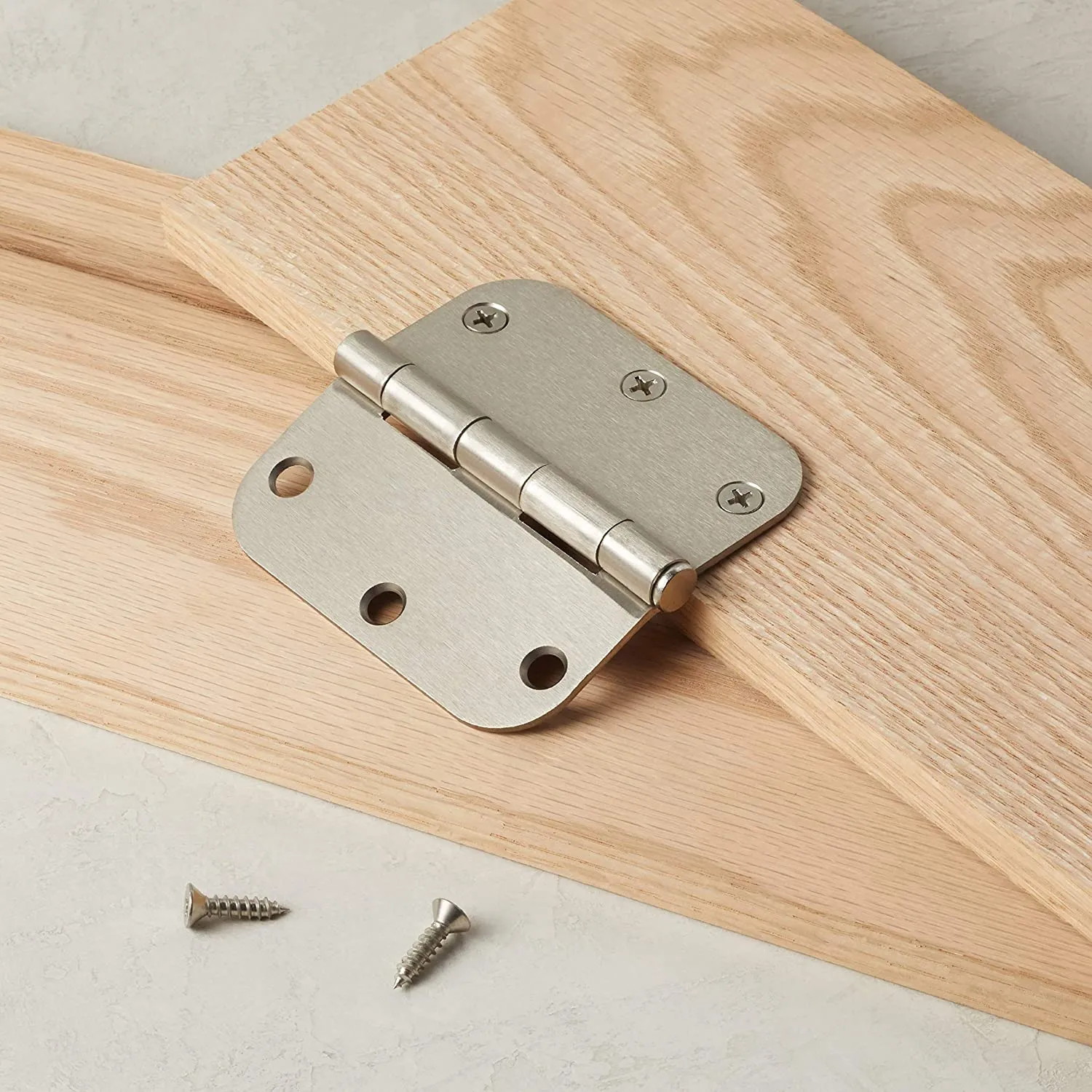
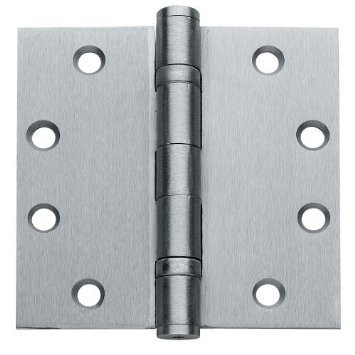
.jpg)
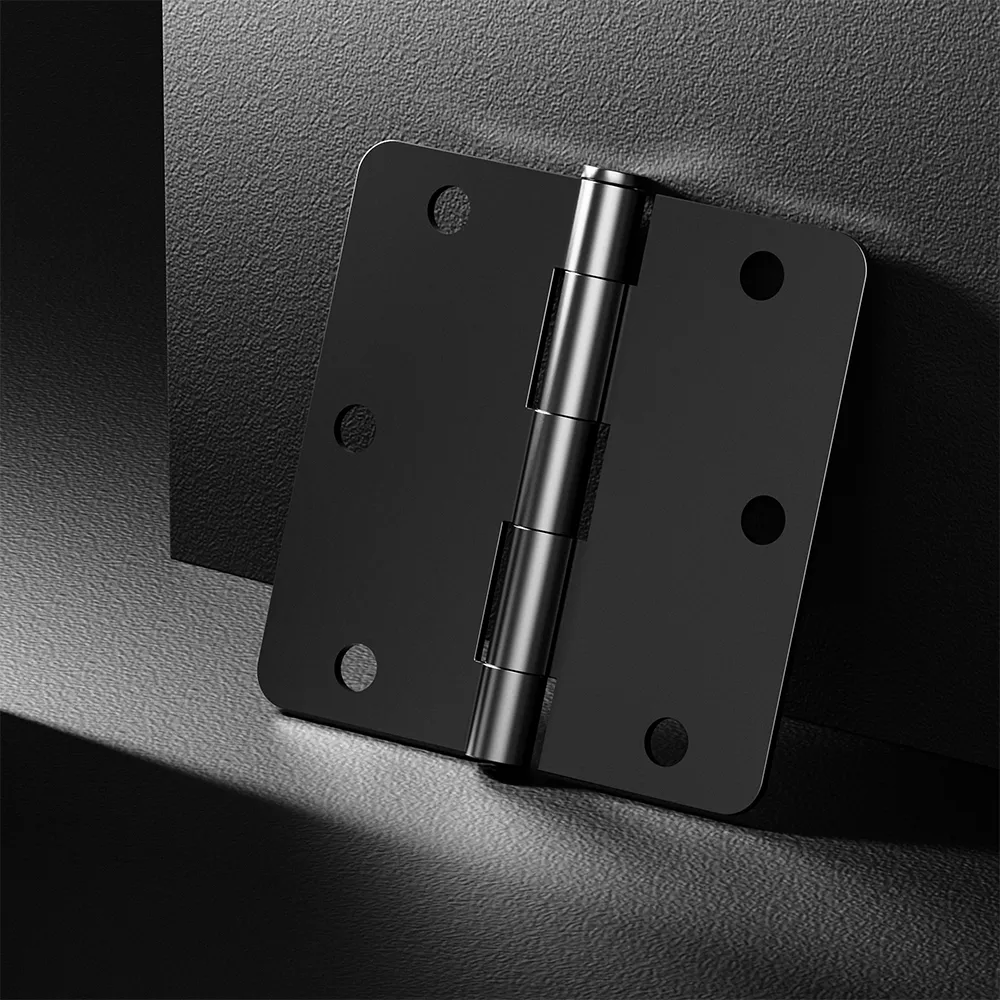



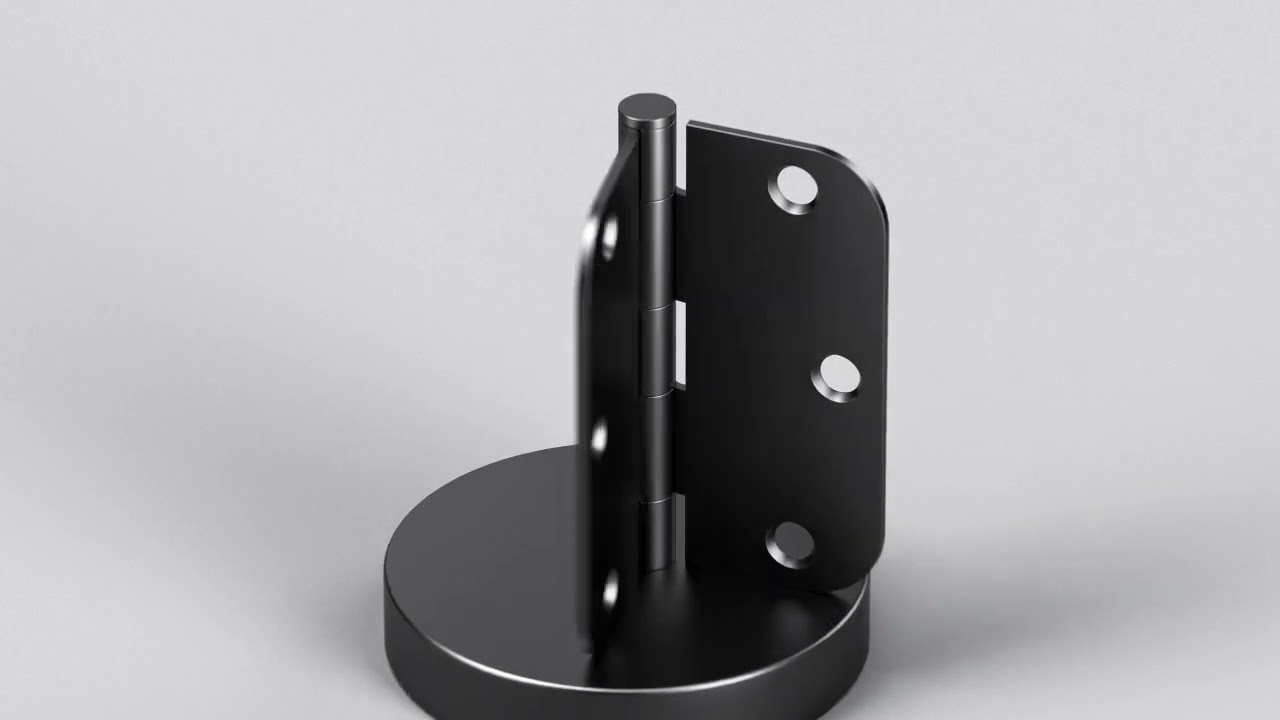

User Comments
Service Experience Sharing from Real Customers
Michael Rodriguez
Welding SupervisorThese heavy duty weld hinges are exactly what we needed for our industrial gates. The welding points are incredibly strong and the build quality is top-notch. They've held up perfectly under constant use.
Sarah Chen
Fabrication SpecialistOutstanding heavy duty hinges! The welded construction provides exceptional durability. We've used them on multiple heavy equipment enclosures and they perform flawlessly. Highly recommended for industrial applications.
James Wilson
Maintenance ManagerThe weld quality on these heavy duty hinges is impressive. They've withstood extreme conditions in our warehouse without any signs of wear. Perfect for high-traffic industrial doors and gates.
Jennifer Martinez
Project EngineerExcellent heavy duty weld hinges! The reinforced welding points provide superior strength that's essential for our marine applications. They resist corrosion and handle heavy loads without issues.