adjusting self closing door hinges
adjusting self closing door hinges
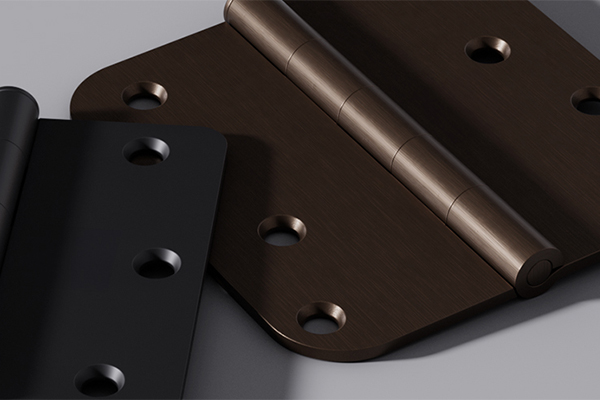
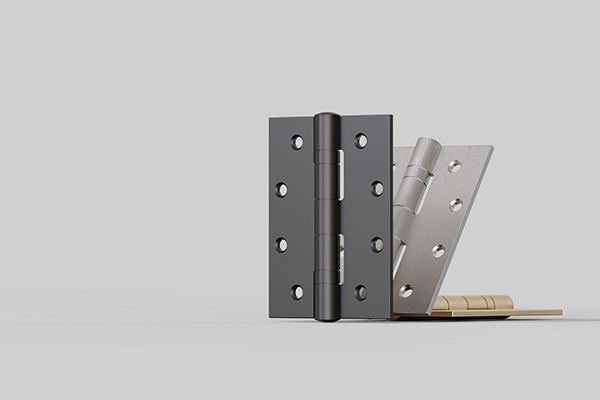
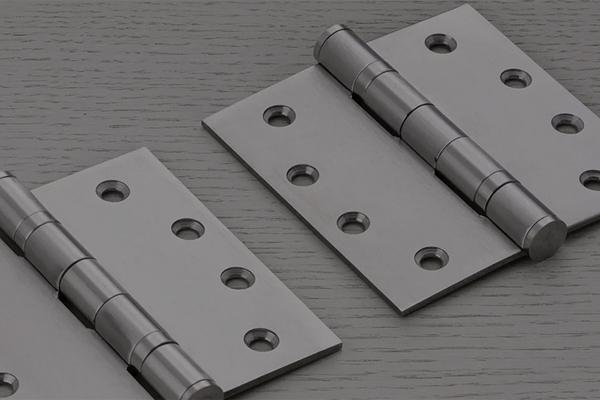
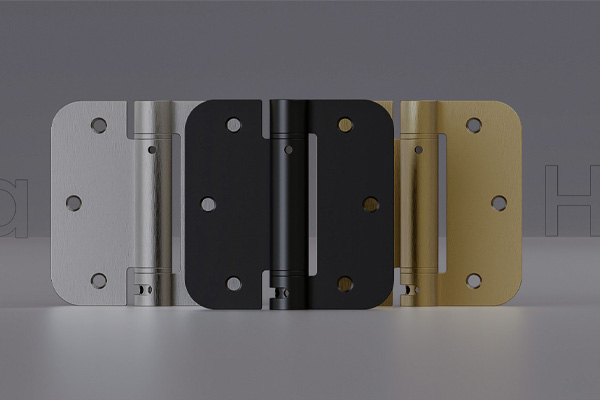
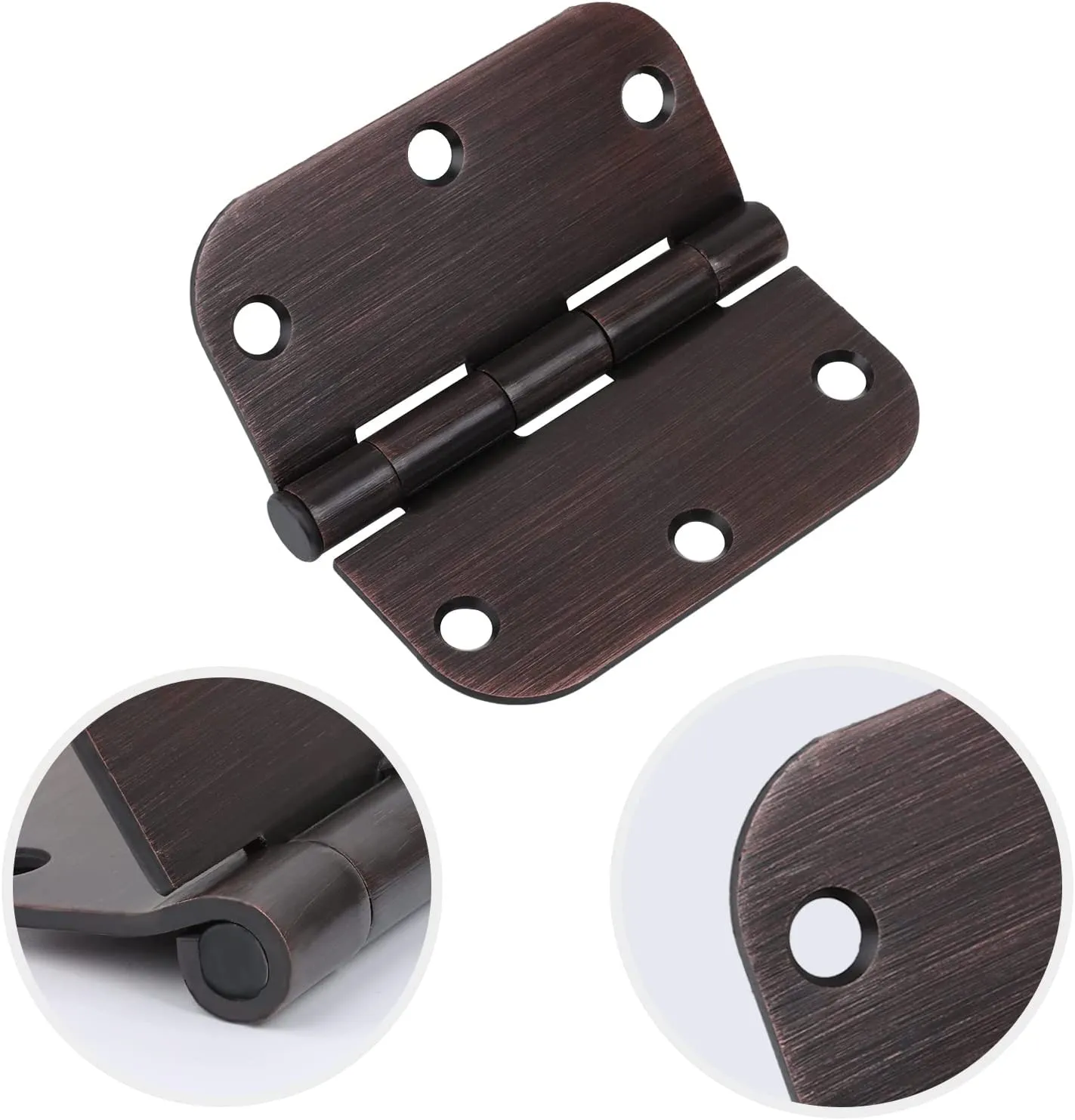
Self-closing hinges are a critical component in modern building safety, accessibility, and energy efficiency, designed to ensure doors close automatically and securely after use. According to industry data from hardware manufacturers like Hager, Stanley, and Sugatsune, properly adjusted self-closing hinges are mandated by building codes for fire-rated doors in commercial and multi-family residential properties to prevent the spread of smoke and flames. These hinges utilize internal spring mechanisms, with adjustment screws that control the closing speed (sweep speed) and the final latching force (latch speed). The global market for door hardware, including self-closing solutions, is projected to grow steadily, driven by stringent safety regulations and the construction of new commercial spaces. Common hinge types include single-action spring hinges for interior doors and double-action spring hinges for commercial kitchens or saloon-style doors. The primary adjustment is typically achieved via two set screws: one located at the hinge knuckle for the main closing power and another at the end of the hinge leaf for the final latching segment. Misadjustment leads to common failures—doors slamming shut or failing to latch—which can compromise door frames, hardware integrity, and safety compliance.
Practical adjustment data, compiled from service manuals and contractor reports, indicates a systematic process. First, identifying the hinge type is essential, as hydraulic- or spring-based models have different adjustment points. For the standard spring hinge, turning the tension screw clockwise (usually with a hex key) increases closing force, while counter-clockwise decreases it. Field studies show that a quarter-turn often represents a significant change, and incremental adjustments are recommended. The second screw, controlling the latch speed, should be adjusted only after the main sweep is correctly set. Data from facility management logs suggests that doors in high-traffic areas may require re-adjustment every 6-12 months due to wear on the spring mechanism and settling of the door frame. Furthermore, search trend analysis reveals high user interest in troubleshooting specific issues like "door not closing fully" or "hinge squeaking," which are often resolved by lubrication with silicone-based sprays and ensuring the hinge pins are securely seated. For heavier fire doors, parallel arm door closers mounted on the frame are often used instead of or in addition to spring hinges, and these require separate adjustment of swing and latch valves. Utilizing the correct tools and following manufacturer-specific guidelines, rather than generic advice, is crucial for longevity and compliance, as overtightening can strip the adjustment screws and void warranties. Proper adjustment not only ensures safety but also reduces long-term maintenance costs and extends the lifecycle of the door assembly.

 40% Amazon Market Share
 Door Hinges Brand on Amazon
 Products Sold Worldwide

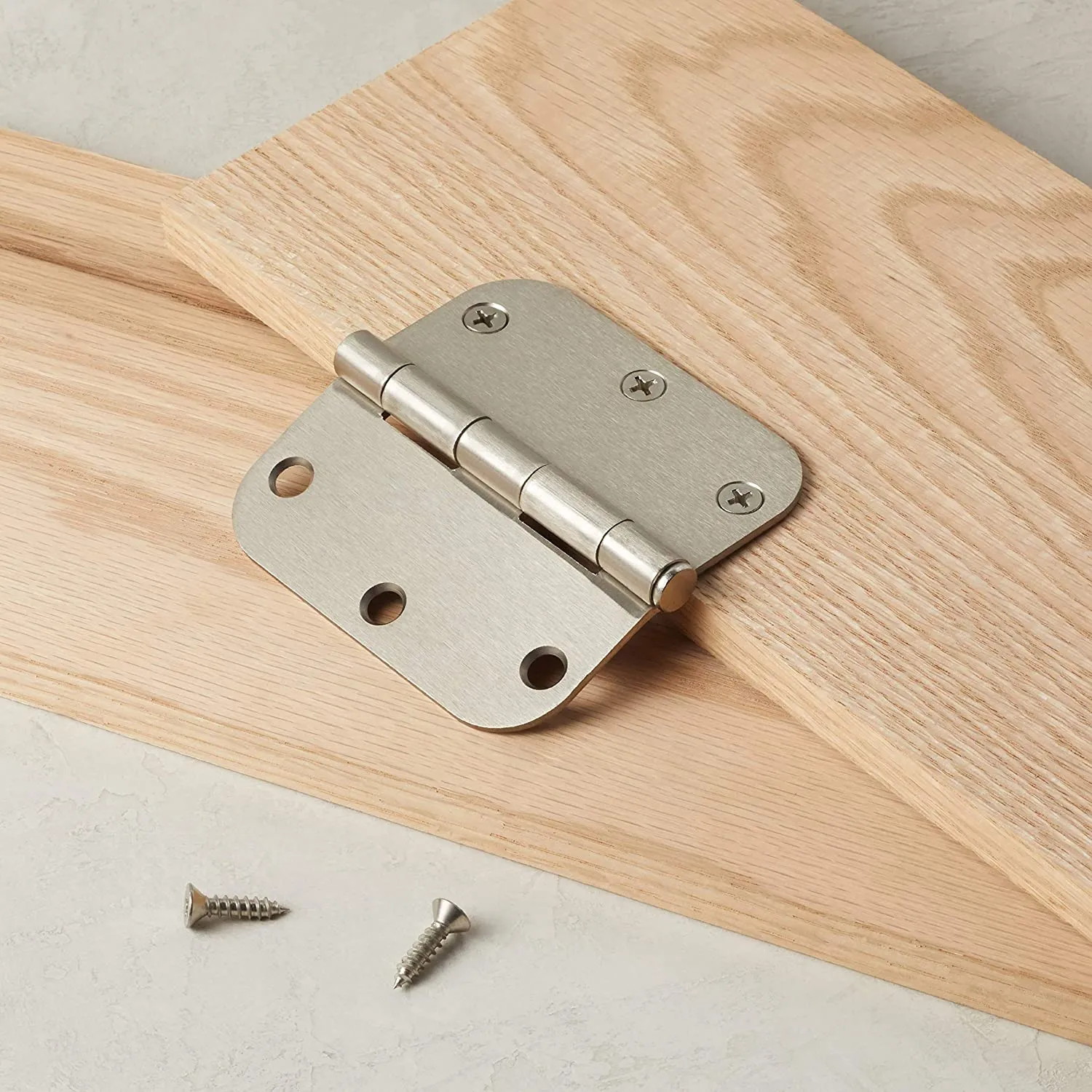
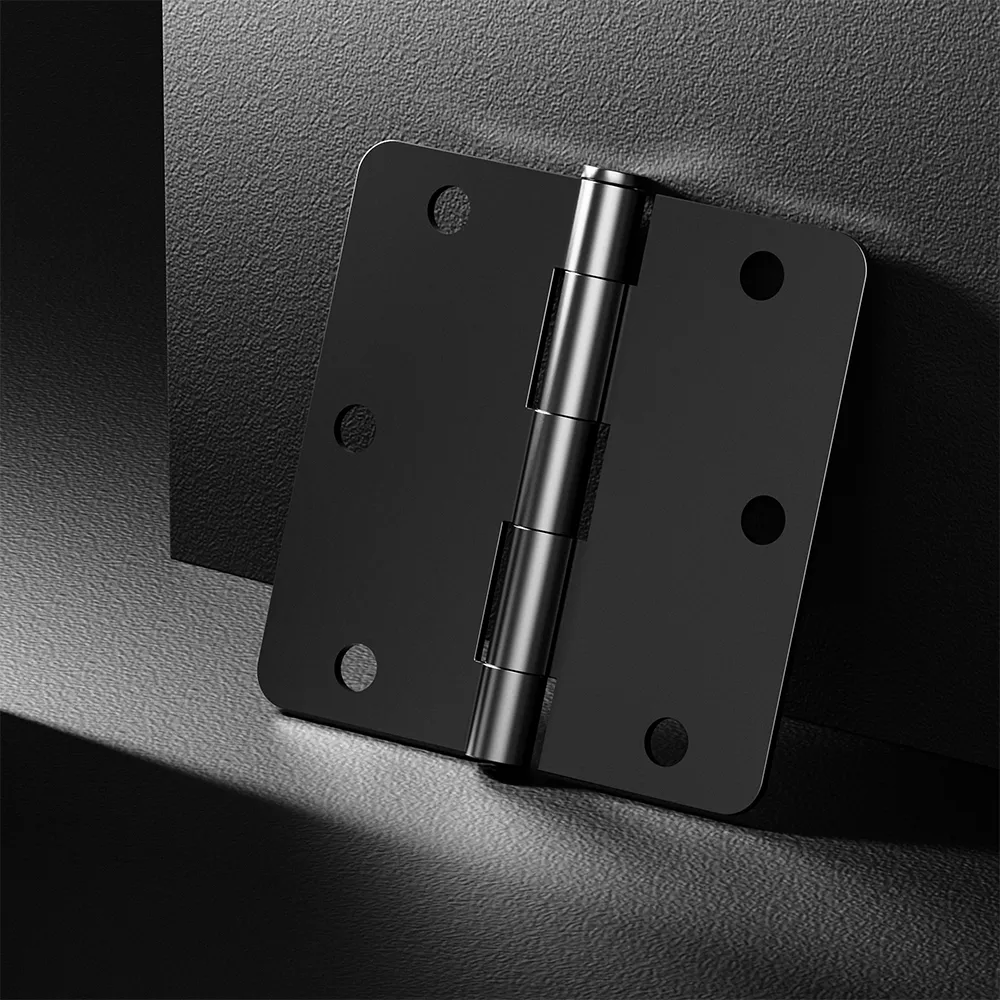
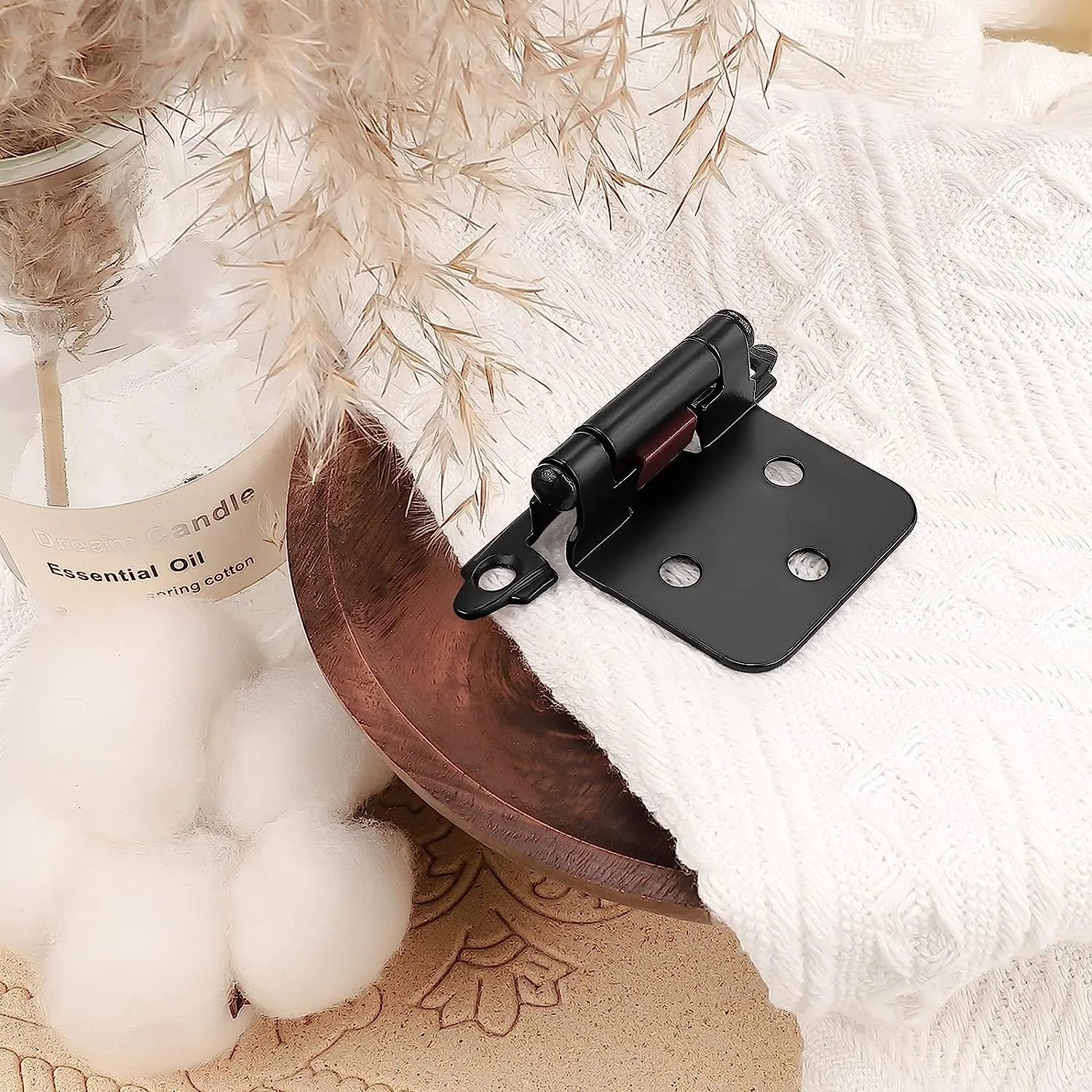
_7.webp)



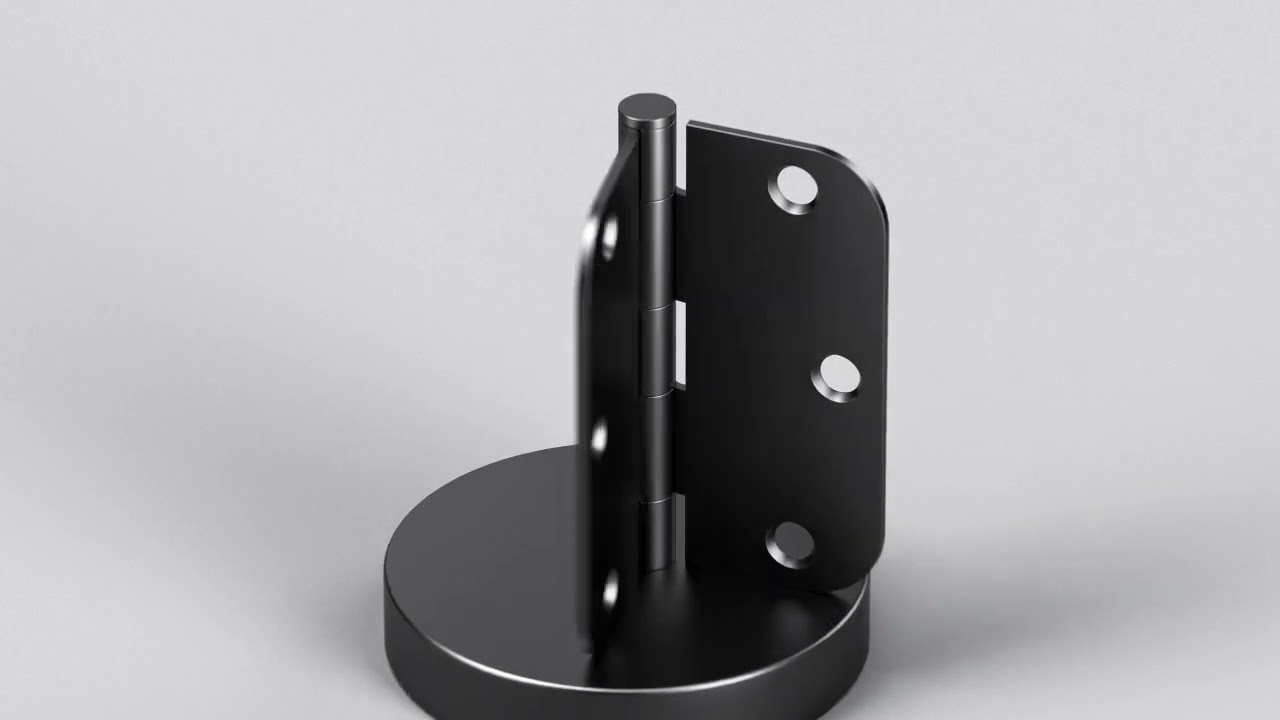


User Comments
Service Experience Sharing from Real Customers
James Wilson
Facility ManagerThese hinges made adjusting our office's self-closing doors incredibly simple. The instructions were clear, and the fine-tuning capability is excellent. Our doors now close quietly and securely every time.
Sarah Chen
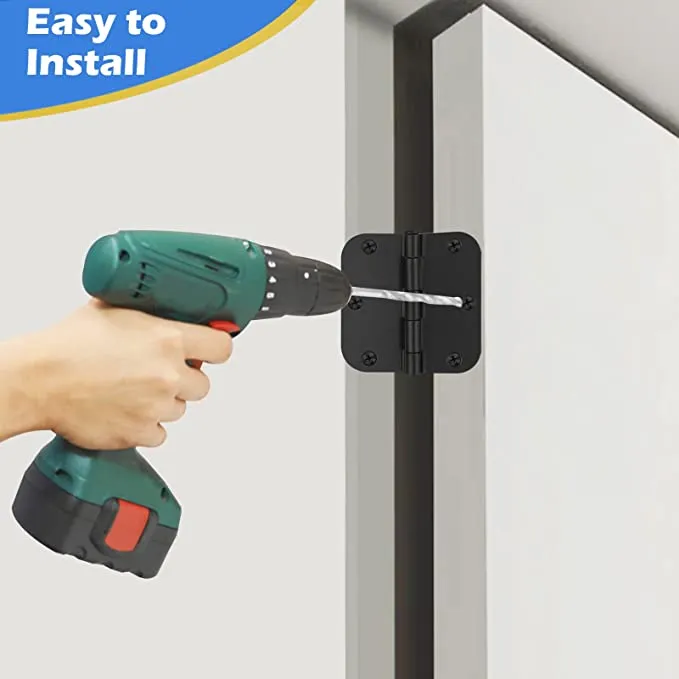
HomeownerBought these to fix a slamming screen door. The adjustment process was straightforward with a basic screwdriver. It took a few tries to get the perfect closing speed, but now the door works like new. Very satisfied.
David Rodriguez
CarpenterAs a professional, I appreciate the durability and precision of these hinges. I've used them on multiple commercial projects. The three-way adjustment (closing speed, latching speed, and back-check) is a game-changer for meeting fire code and accessibility requirements.
Emily Foster
Restaurant OwnerEssential for our kitchen's double-swing doors. They were easy to install and adjust to the perfect tension. Our staff no longer has to struggle with doors that close too fast or too slow, improving workflow and safety. Highly recommend for any food service business.