Automatic Close Hinges
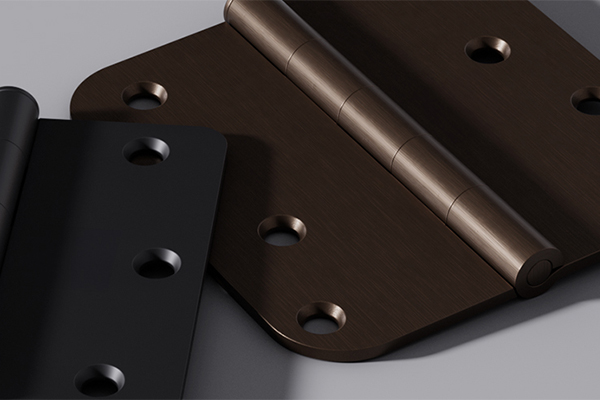
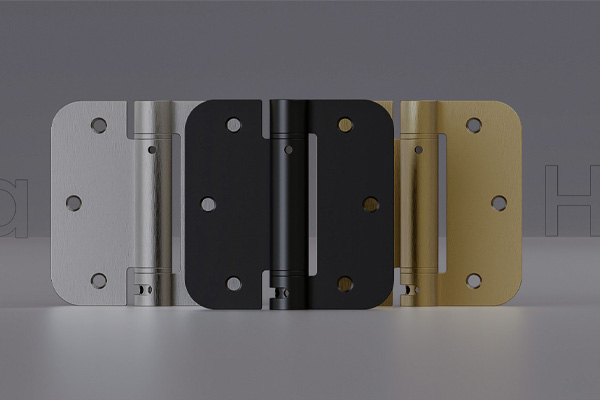
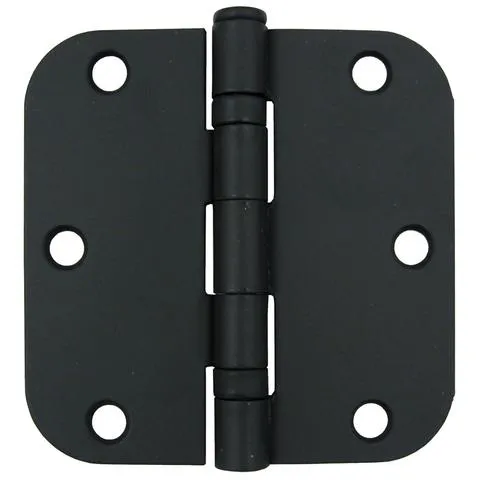
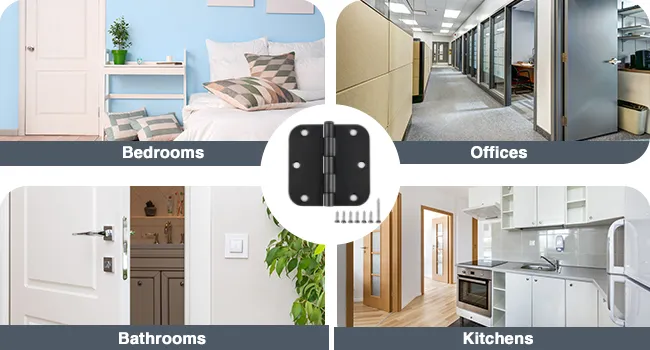
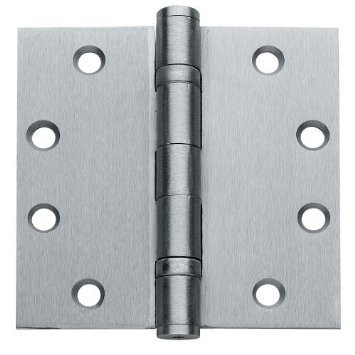
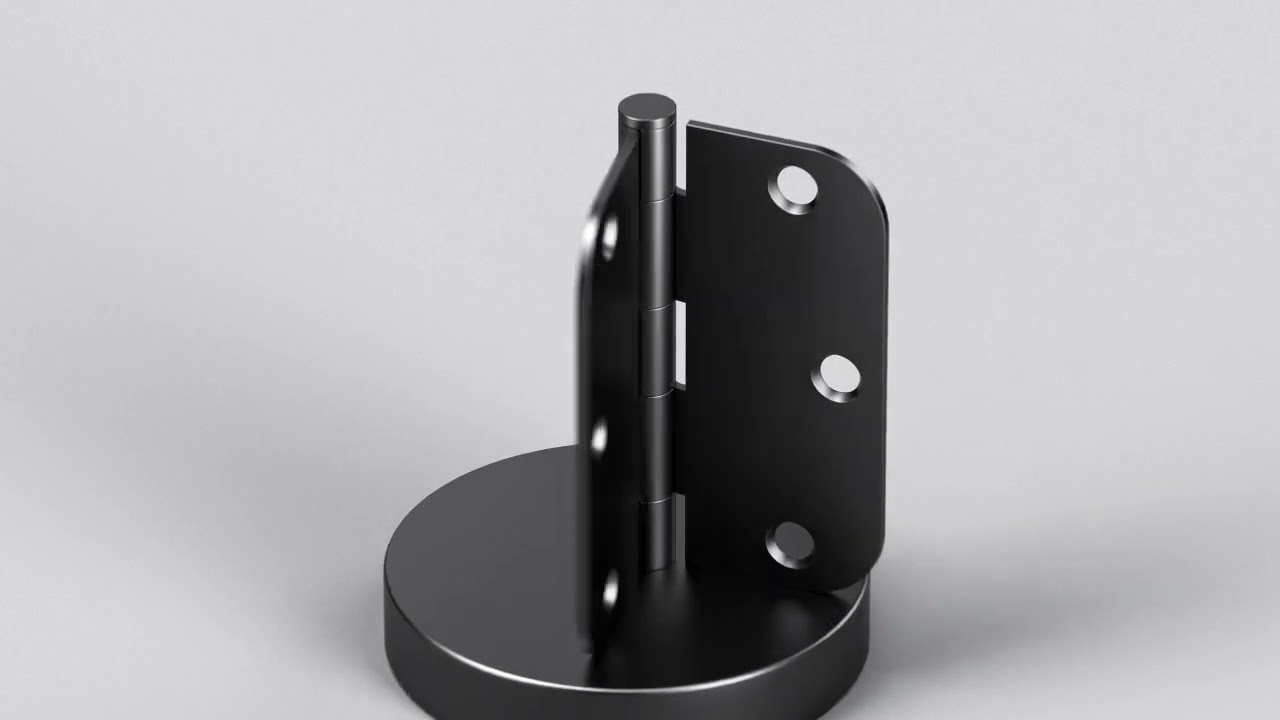
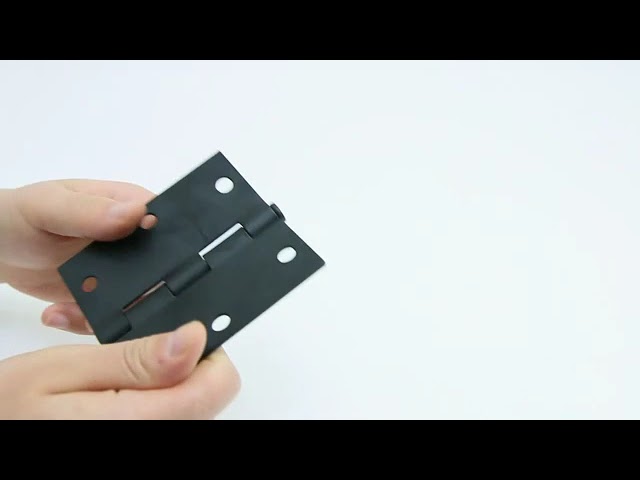
Automatic close hinges are specialized hardware components designed to ensure doors, cabinets, lids, or panels close smoothly and securely without manual intervention. Utilizing mechanisms such as springs, hydraulic dampers, or gravity, these hinges are engineered to provide controlled, self-closing action from any open position. Common types include spring hinges, which use a coiled spring for tension; hydraulic or soft-close hinges, which incorporate a fluid damper for silent, gentle closure; and double-action hinges, which allow movement in both directions with automatic return. Widely applied in residential cabinetry, commercial doors, institutional facilities, and automotive interiors, these hinges enhance convenience, safety, and accessibility by eliminating the need for users to physically close doors, thereby preventing doors from being left ajar. Industry standards, such as those from the Builders Hardware Manufacturers Association (BHMA), govern their durability, with high-cycle models rated for over 500,000 operations. Key performance metrics include closing force (typically measured in inch-pounds), adjustable tension settings, and cycle life, which are critical for specifying the correct hinge for varying door weights and usage frequencies. The global market for automatic closing hinges, particularly the soft-close segment, has seen sustained growth, driven by demand in kitchen and bathroom renovations and commercial construction, with major manufacturers like Blum, Hettich, Grass, and Sugatsune leading innovation and market share. Installation considerations involve precise mounting alignment, load capacity matching, and, for adjustable models, fine-tuning the closing speed and latching force to ensure reliable operation without slamming or incomplete closure.
The operational principle of automatic close hinges centers on converting stored energy—from a compressed spring, gravitational pull, or hydraulic resistance—into kinetic motion to move the door. Spring hinges, for instance, are pre-tensioned so that the torque exerted by the spring increases as the door opens, pulling it back to the closed position. In contrast, hydraulic or "soft-close" hinges often combine a standard hinge with a integrated damper cartridge; as the door approaches the closed position (usually within the last 10-15 degrees), the damper engages, decelerating the door to prevent impact and noise. Data from product testing indicates that high-quality soft-close dampers can reduce closing noise levels to below 30 decibels, compared to over 70 decibels for a standard slamming door. In commercial applications, such as hospitals or offices, fire-rated automatic closing hinges are mandated by building codes (e.g., NFPA 80) to ensure fire doors fully latch in the event of a fire, with required cycle tests often exceeding 1 million operations. User adoption data shows a significant preference for soft-close mechanisms in residential settings, with over 60% of new kitchen cabinet installations in North America and Europe incorporating them as a standard or upgraded feature, citing benefits like child safety, reduced wear on door frames, and noise minimization. Maintenance typically involves periodic lubrication of pivot points and inspection for spring fatigue or damper fluid leakage, with average service intervals recommended every 50,000 cycles for heavy-use commercial installations. The evolution of materials, including the use of stainless steel for corrosion resistance in marine or healthcare environments and engineered polymers for dampers, has extended product lifespans. Furthermore, integration with smart building systems is emerging, where hinges with sensors can monitor door status (open/closed) and cycle count for predictive maintenance, aligning with IoT trends in facility management. When selecting automatic close hinges, critical parameters include door weight (e.g., hinges are rated for doors from 1 lb to over 200 lbs), opening angle (standard 90° to 180° for double-action), mounting type (surface, inset, or concealed), and compliance with relevant accessibility standards like ADA, which may specify maximum opening force.

 40% Amazon Market Share
 Door Hinges Brand on Amazon
 Products Sold Worldwide
_7.webp)





User Comments
Service Experience Sharing from Real Customers
James Wilson
Facility ManagerThese automatic close hinges have been a game-changer for our office building. They ensure all fire doors close securely every time, greatly enhancing safety compliance with minimal maintenance.
Sarah Chen
Architectural DesignerI specify these hinges for residential projects requiring ADA compliance. They provide smooth, reliable self-closing action, and clients appreciate the clean look and consistent performance.
Michael Rodriguez
Restaurant OwnerInstalled them on our kitchen and storage room doors. They work perfectly to maintain temperature control and hygiene by ensuring doors are never left open. Durable and well worth the investment.
Emily Foster
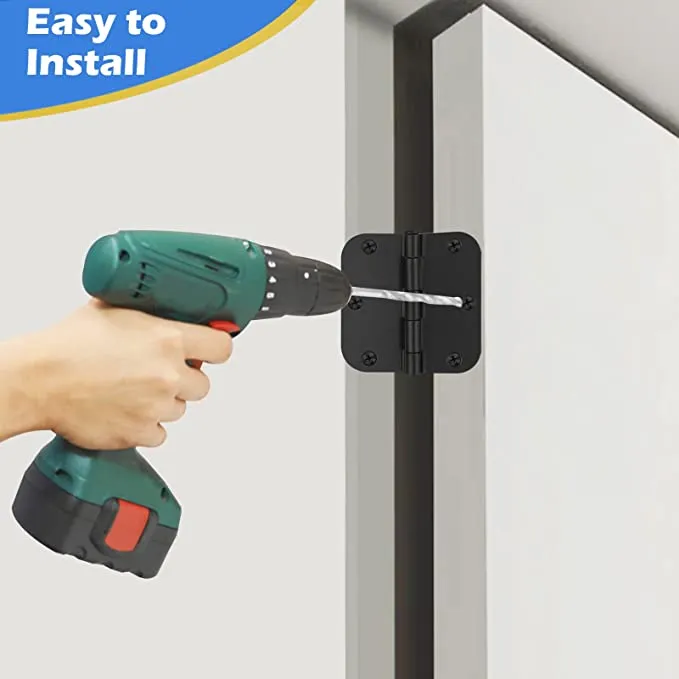
HomeownerBought these for my home to help with energy efficiency and to keep pets out of certain rooms. The automatic close is gentle but firm, and they were very easy to install. Highly recommend!