Bronze Hinges: Durable and Decorative Hardware for Doors, Cabinets, and Furniture
What is Bronze Hinges
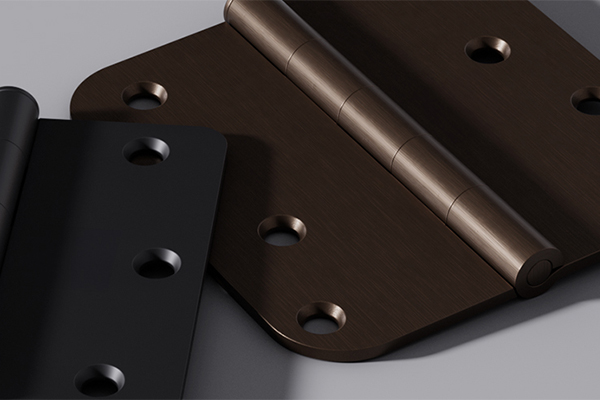
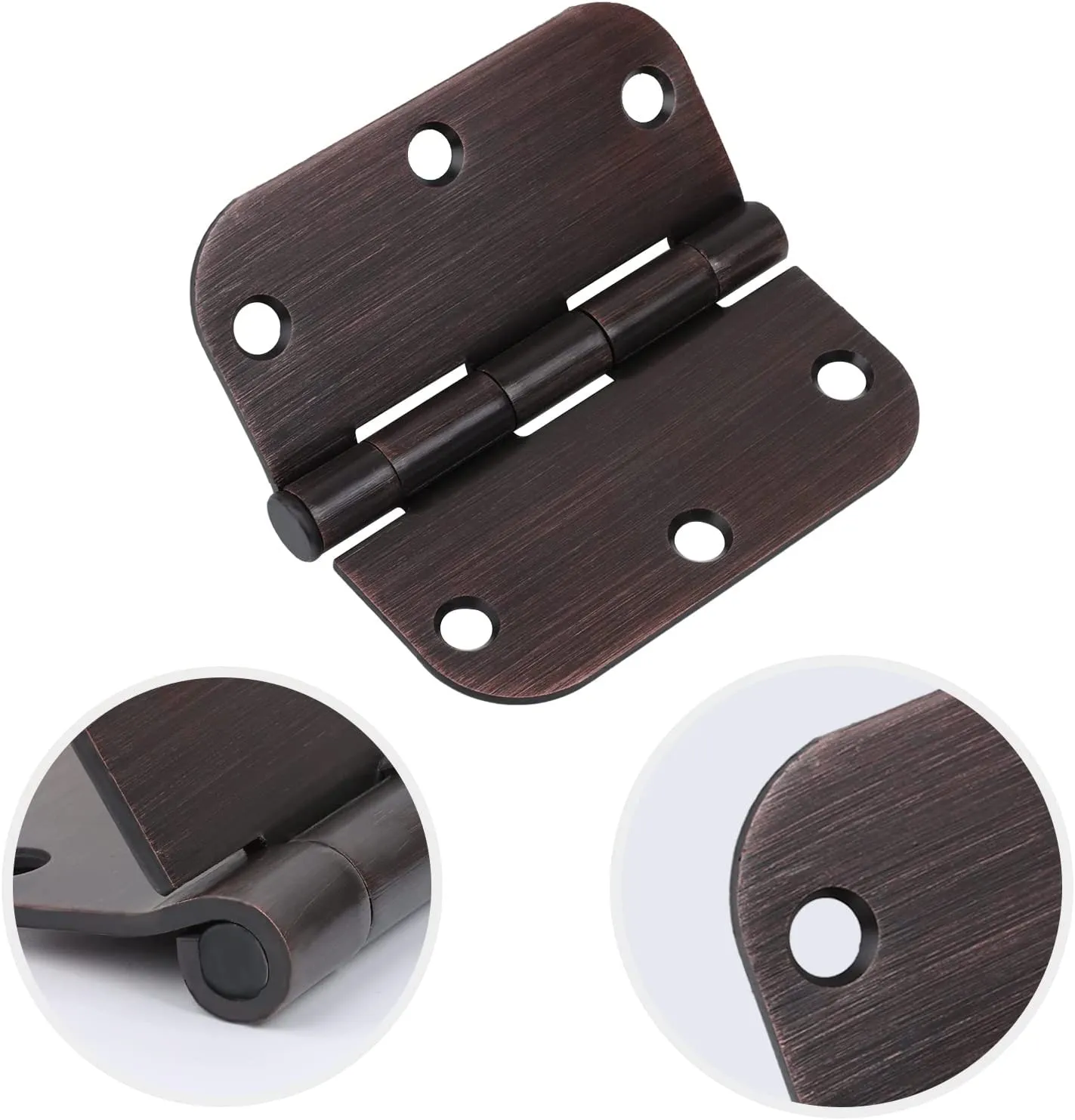
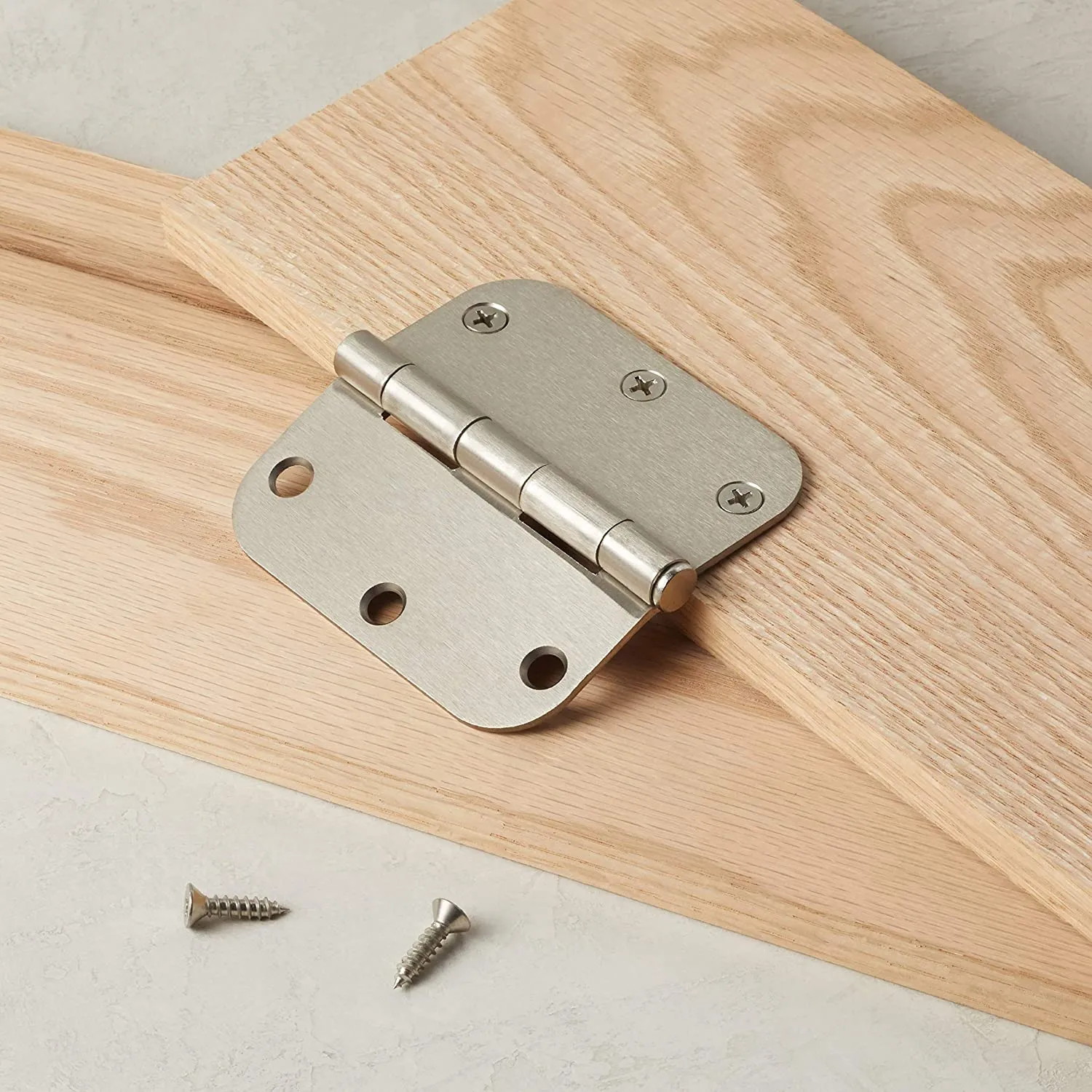
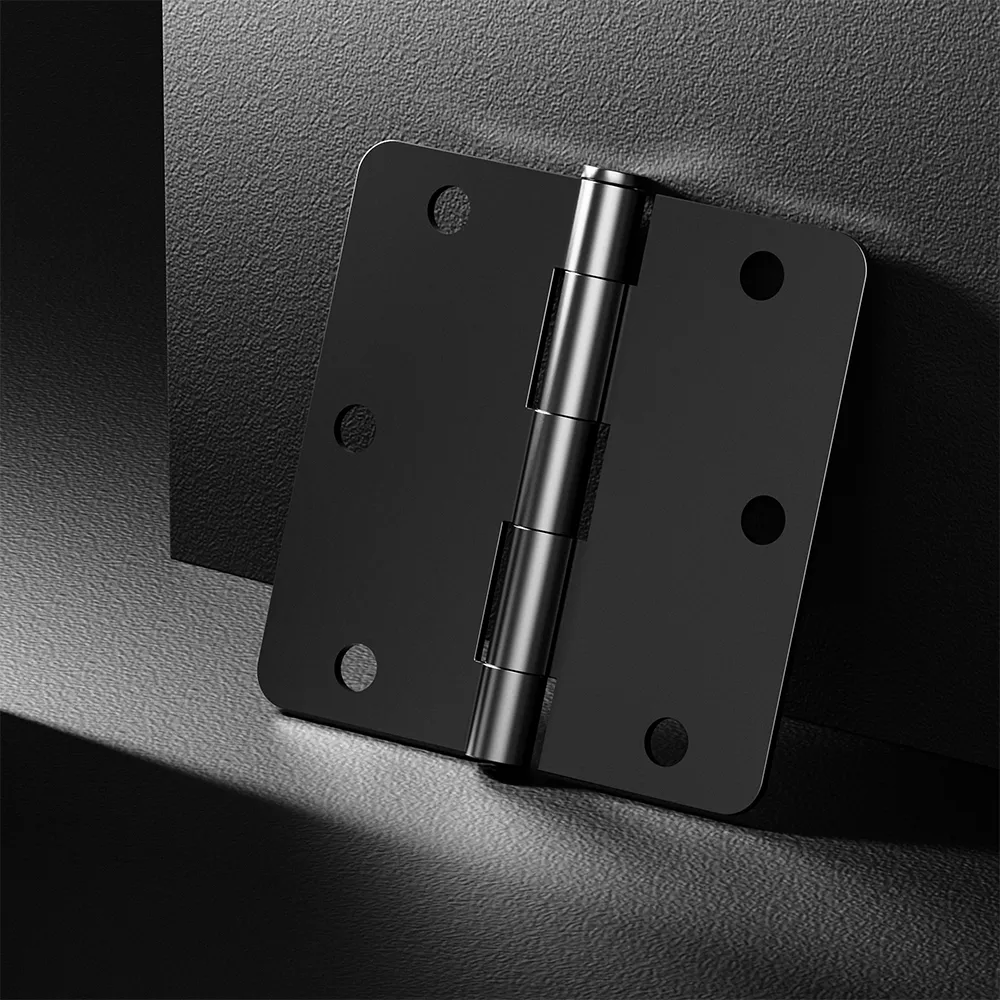
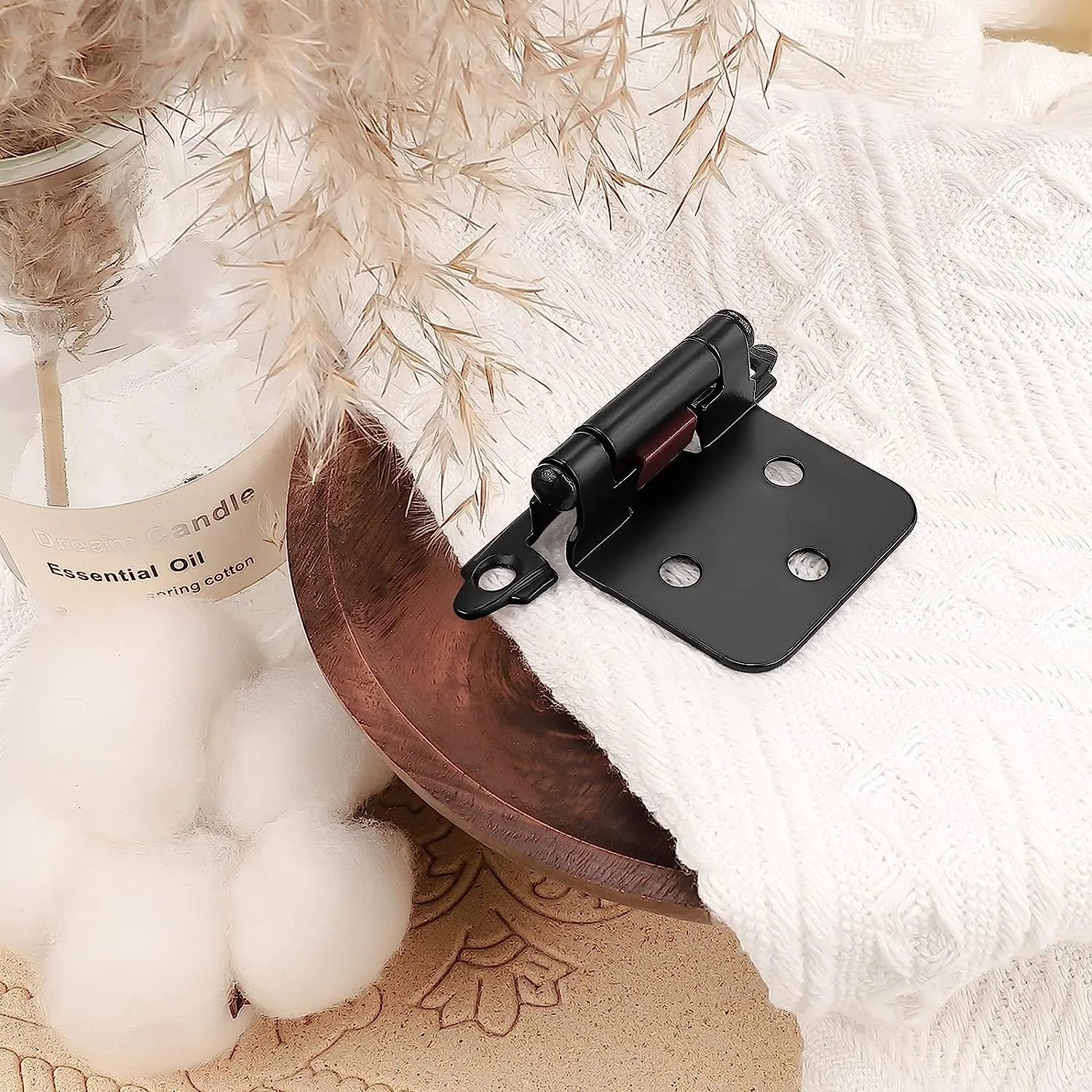
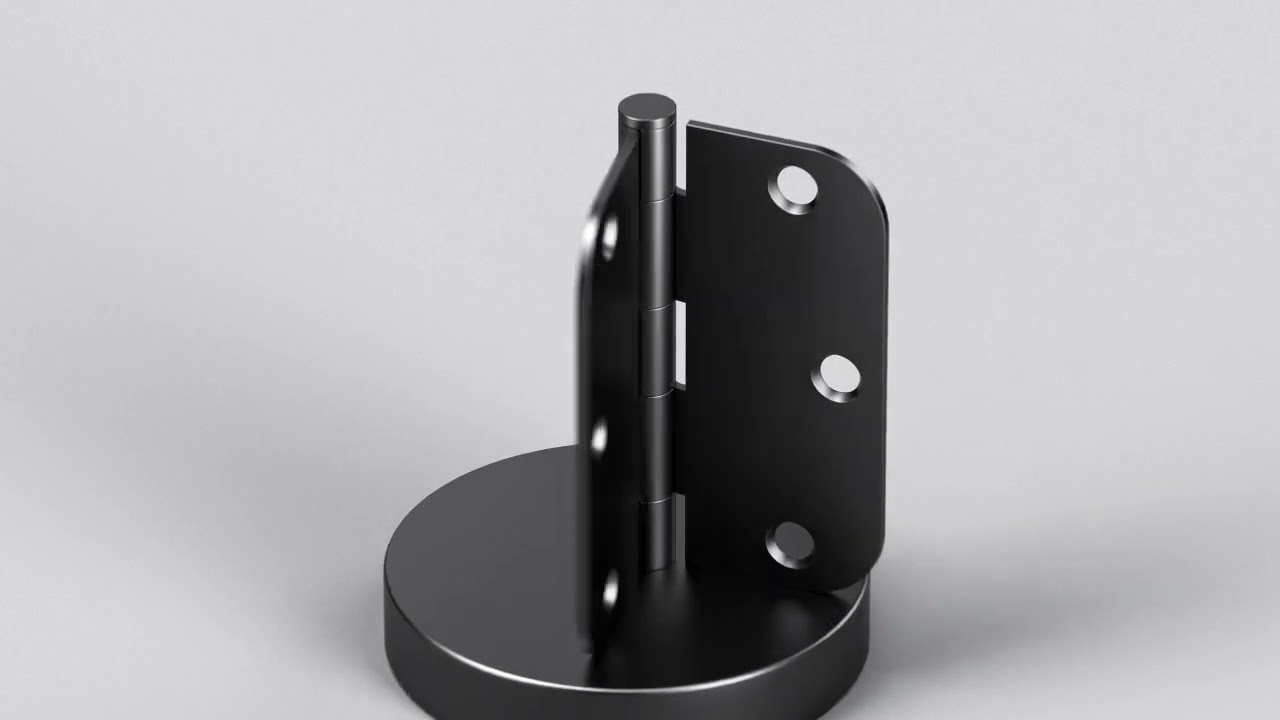
Bronze hinges are a type of hardware mechanism, typically used for doors, gates, cabinets, and furniture, that is manufactured primarily from bronze alloys. The term "bronze hinges" encompasses a range of styles, from simple butt hinges to more ornate decorative designs, all characterized by the material from which they are forged. Historically, bronze has been a preferred metal for hardware due to its inherent properties, and modern bronze hinges continue this legacy, offering a blend of functionality and aesthetic appeal. They are distinct from hinges made of steel, brass, or other materials, primarily due to the unique composition of bronze, which is an alloy consisting mostly of copper and tin, often with other elements like phosphorus or aluminum added to enhance specific characteristics. This fundamental composition is what grants bronze hinges their notable strength, corrosion resistance, and the potential to develop a distinctive patina over time. They are a cornerstone in both restoration projects for historical buildings and in new constructions where longevity and a specific visual character are desired.
Bronze hinges represent a specific category of architectural hardware defined by their material composition. Unlike common steel hinges, which are often plated or painted, bronze hinges are typically solid throughout, meaning their properties are consistent from the surface to the core. The most common alloys used for these hinges are commercial bronze (a copper-zinc alloy with a high copper content that gives a bronze-like appearance) and true phosphor bronze, which contains tin and a small amount of phosphorus. Phosphor bronze, in particular, is highly valued for its superior fatigue resistance, excellent spring qualities, and high resistance to wear and corrosion. This makes it exceptionally suitable for high-use applications like heavy doors. The manufacturing process often involves casting or forging, which allows for the creation of both simple, robust designs and intricate, detailed patterns. The finish on a bronze hinge is a critical aspect of its identity. While they can be polished to a bright, warm luster, they are most renowned for their "living" finish. When left uncoated and exposed to the atmosphere, bronze undergoes a natural oxidation process, forming a layer of patina—typically a greenish-blue or brown film—that actually protects the underlying metal from further corrosion. This is a key reason for their extensive use in marine environments and on historic monuments. For controlled aesthetics, many manufacturers offer pre-applied artificial patinas or specific chemical treatments to achieve a desired aged look immediately upon installation. The application of bronze hinges is vast. They are the hardware of choice for monumental doors in commercial buildings, elegant cabinets in luxury homes, gates, and even on boats and ships due to their exceptional resistance to saltwater corrosion. Their weight and solidity also contribute to the perceived quality and security of a door or piece of furniture. In summary, bronze hinges are not merely functional components; they are durable, long-lasting hardware pieces chosen for their mechanical superiority and their ability to enhance the aesthetic value of a project, often becoming a subtle yet defining feature of the design. Their performance is rooted in the timeless properties of the bronze alloy itself, making them a reliable and prestigious choice for architects, builders, and homeowners.
Advantages of Bronze Hinges
The advantages of bronze hinges are extensive and well-documented, stemming from the intrinsic properties of the bronze alloy. These benefits make them a superior, albeit often premium, choice compared to many other hinge materials. The primary advantages include exceptional corrosion resistance, remarkable durability and strength, natural lubricity and wear resistance, and a unique, evolving aesthetic appeal that adds value to any project. These hinges are engineered to perform reliably for decades, often outlasting the structures they are installed on with minimal maintenance. Their performance in harsh environments, such as coastal areas with salt-laden air or industrial settings with chemical pollutants, is a key reason for their specification in demanding applications. Furthermore, the structural integrity of bronze allows for the creation of hinges that can support very heavy doors without sagging or failing over time. The metal's natural ability to resist fouling and its low friction coefficient contribute to smooth, quiet, and long-lasting operation. From a design perspective, bronze hinges offer a warmth and character that is difficult to replicate with other metals. They provide an authentic look for historical restorations and a touch of classic elegance for contemporary designs. The combination of these practical and visual benefits justifies the initial investment, as the long-term cost of ownership is often lower due to reduced need for replacement or repair. The advantages are not merely theoretical but are proven in countless real-world applications, from the hinges on the doors of centuries-old cathedrals to those on modern luxury yachts.
The foremost advantage of bronze hinges is their unparalleled corrosion resistance, especially against atmospheric and aqueous corrosion. This is not a surface treatment but a property of the alloy itself. Bronze forms a protective, adherent layer of patina when exposed to the elements. This patina, primarily a basic copper sulfate, acts as a barrier that drastically slows down the rate of further corrosion. This makes them ideal for exterior doors, garden gates, and marine applications where steel hinges would rust and stainless steel might still suffer from pitting in aggressive environments. Data from architectural specifications and marine engineering guides consistently rate bronze alloys among the top materials for corrosion resistance in non-ferrous metals. Secondly, their durability and strength are exceptional. Bronze, particularly phosphor bronze, has high tensile strength and excellent fatigue resistance. This means it can withstand repeated stress and heavy loads without deforming or breaking. A heavy oak or metal door exerts significant force on its hinges; bronze hinges are engineered to bear this weight reliably for generations. This is why they are specified for use in monumental buildings, banks, and other institutions where security and longevity are paramount. The third major advantage is the low friction and self-lubricating properties of certain bronze alloys. The microstructure of bronze allows for small amounts of the alloy to transfer to the mating surface (the pin), creating a lubricating film. This results in smoother, quieter operation and significantly reduces wear on the pivot points, extending the functional life of the hinge far beyond that of steel or even some brass hinges. This property is why bronze is also commonly used for bushings and bearings in heavy machinery. Finally, the aesthetic value is a significant advantage. Bronze offers a rich, warm color that develops a unique character over time. This natural aging process is highly valued in architectural design. For historical restoration projects, bronze hinges are often the only authentic choice to match original hardware. In new construction, they provide an immediate sense of permanence and quality. Unlike a painted or plated finish that can chip or wear off, the patina on bronze is a integral part of the metal, ensuring the hinge remains attractive even after a century of service. The combination of these proven performance characteristics—corrosion resistance, strength, low maintenance, and timeless beauty—makes bronze hinges a wise and valuable investment for any project where quality and longevity are the primary concerns.

 40% Amazon Market Share
 Door Hinges Brand on Amazon
 Products Sold Worldwide

_7.webp)




User Comments
Service Experience Sharing from Real Customers
Michael Thompson
Cabinet MakerThese bronze hinges are absolutely stunning! The quality is exceptional and they add a beautiful vintage touch to my custom cabinets. Perfect finish and smooth operation.
Sarah Chen
Interior DesignerOutstanding bronze hinges for high-end furniture projects. The patina is beautiful and they've held up perfectly on several restoration projects. My clients love the authentic look.
David Rodriguez
Historic Preservation SpecialistExcellent reproduction bronze hinges for period-correct restoration work. The weight and feel are authentic, though installation required slight adjustment. Overall very satisfied.
Jennifer Williams
Furniture RestorerPerfect bronze hinges for antique furniture restoration! They match original hardware beautifully and the quality is superior to other brands I've tried. Will definitely order again.