Iron Hinges: The Ultimate Guide to Durable and Decorative Hardware
What is Iron Hinges
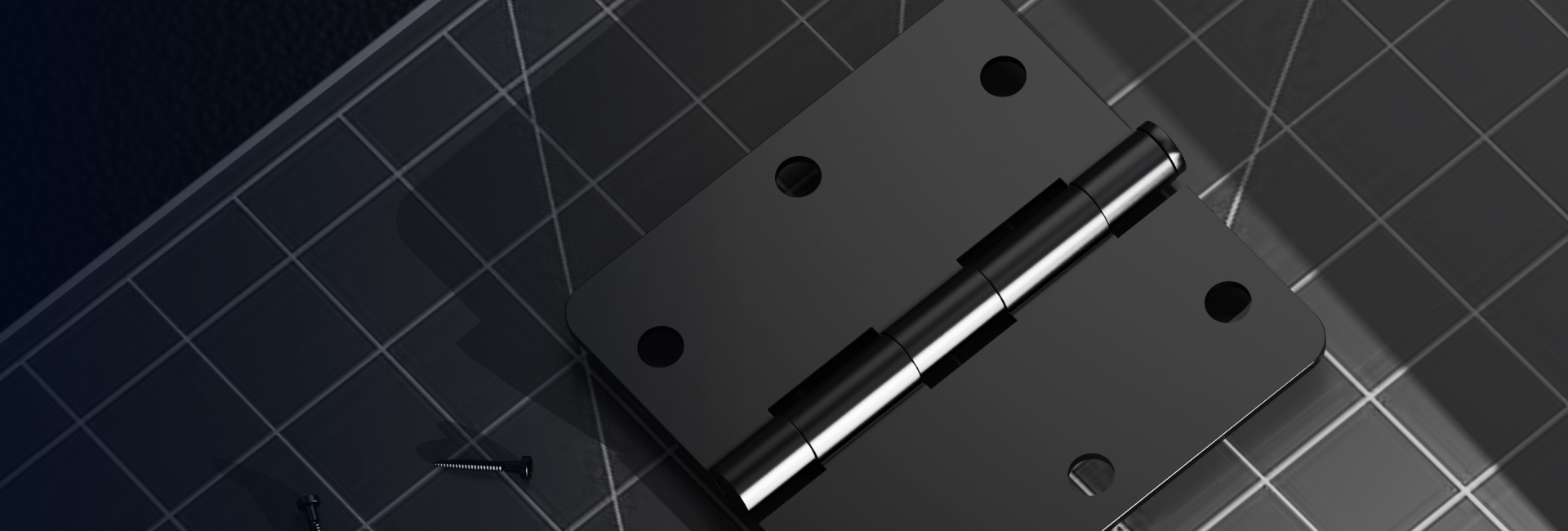
Iron hinges are fundamental hardware components used to connect two objects, typically a door or a gate to its frame, allowing for a swinging motion. They are manufactured primarily from iron, a strong and versatile metal, and are available in various forms such as cast iron, wrought iron, and forged iron, each offering distinct characteristics in terms of strength, malleability, and finish. These hinges are engineered to bear significant weight and withstand constant use, making them a cornerstone of architectural hardware for centuries. Their primary function is to provide a pivot point, but they also contribute significantly to the security, alignment, and aesthetic appeal of the installation. From massive medieval castle gates to intricate cabinet doors in modern homes, iron hinges serve a critical role in both structural integrity and design.
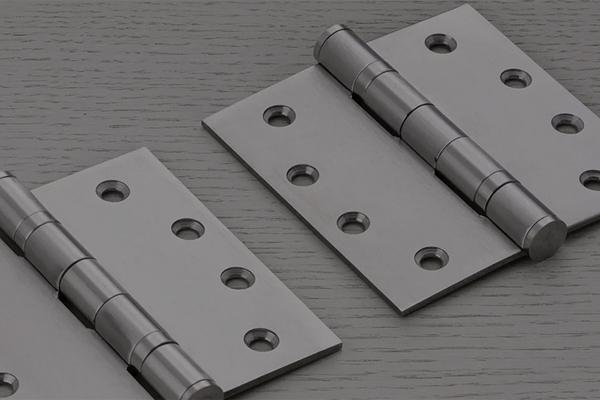
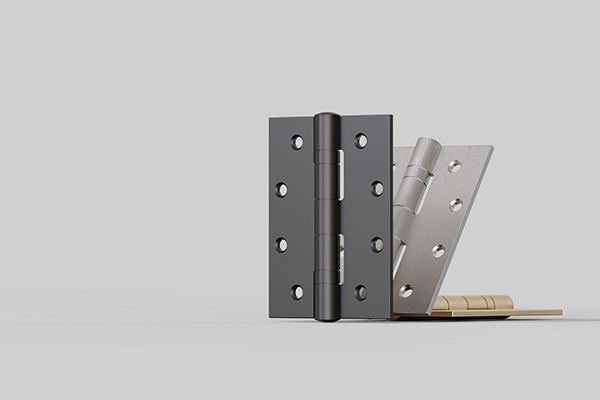
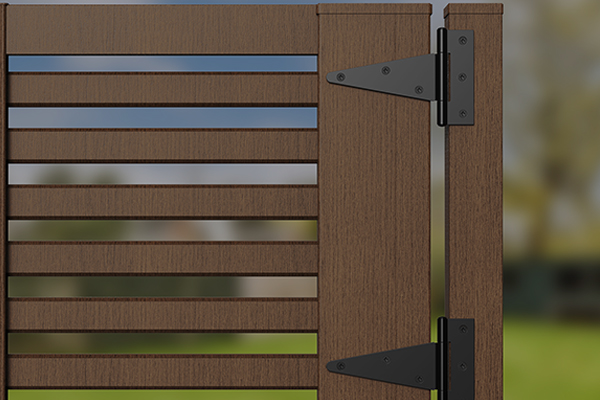
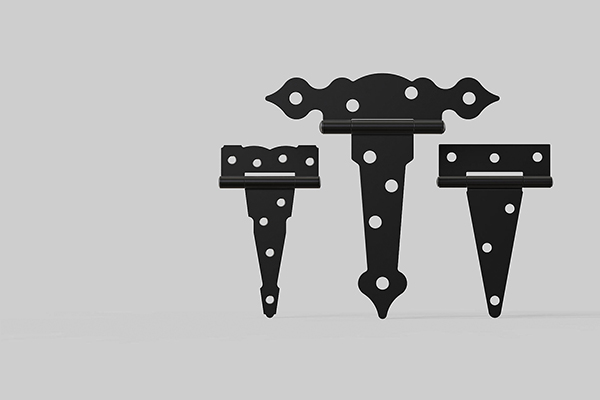
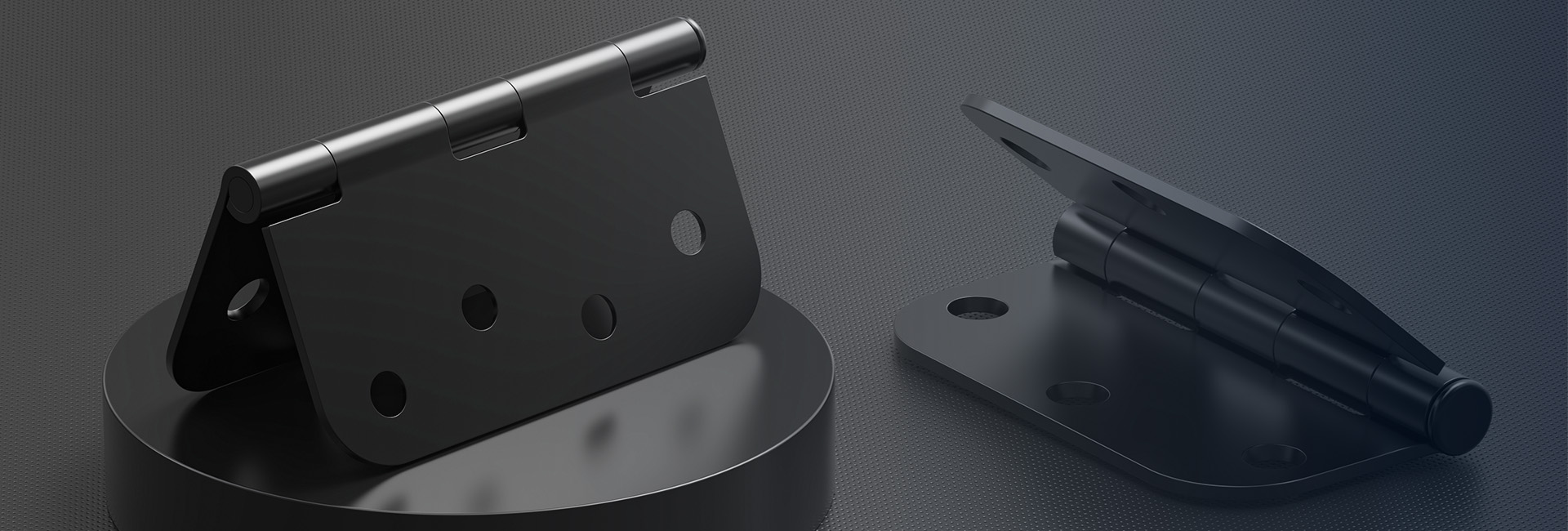
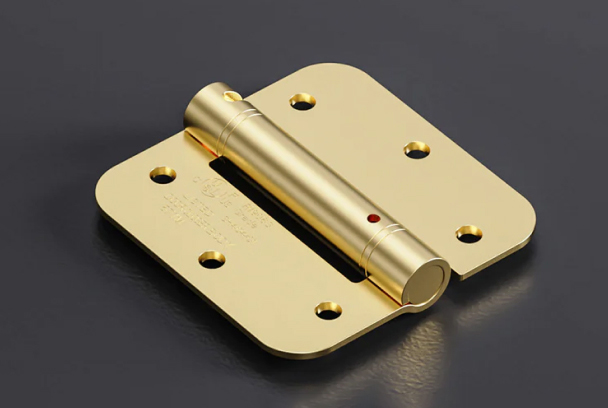
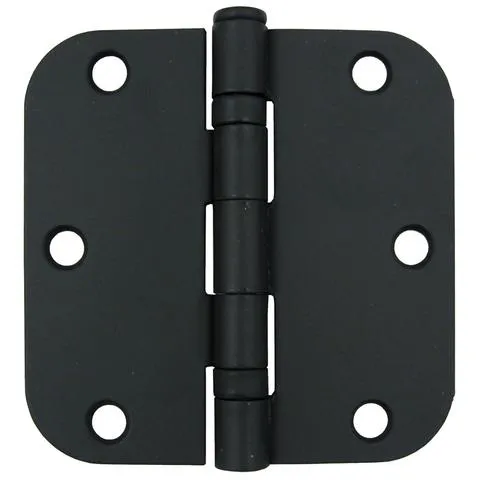
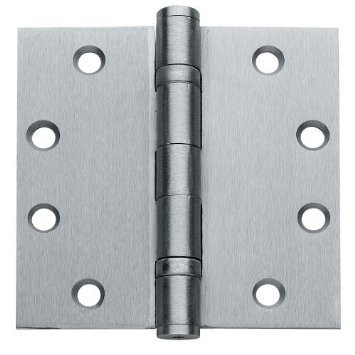
Iron hinges are not a one-size-fits-all product; they come in a vast array of types tailored for specific applications. Common types include butt hinges, which are recessed into the door and frame for a clean look; strap hinges, which feature long arms for a rustic or traditional appearance on large doors and gates; T-hinges, which combine a strap hinge with a crosspiece for added stability on sheds and chests; and parliament hinges, which allow a door to open fully and lie flat against the wall. The manufacturing process also defines their properties. Cast iron hinges are made by pouring molten iron into molds, resulting in intricate designs but with a degree of brittleness. Wrought iron hinges are forged and worked by hand or machine, making them exceptionally tough and malleable, ideal for blacksmith-crafted, custom pieces. Modern "wrought iron" hinges are often actually made from mild steel, which offers an excellent balance of strength, workability, and corrosion resistance when properly finished. The choice of hinge depends on the door's weight, frequency of use, security requirements, and the desired architectural style, with load-bearing capacities meticulously calculated by manufacturers to ensure longevity and safety.
Advantages of Iron Hinges
The advantages of choosing iron hinges are extensive, rooted in their unparalleled durability, exceptional strength, and timeless aesthetic appeal. Unlike hinges made from softer metals or plastics, iron hinges are built to last for decades, often outliving the doors they are attached to. Their primary benefit is an immense load-bearing capacity, capable of supporting heavy wooden doors, robust security gates, and large ornamental entryways without sagging or failing. This inherent strength provides enhanced security, as the hinge pins are often thick and difficult to force, making forced entry a much more challenging task. Furthermore, iron is a highly malleable material when worked by skilled artisans, allowing for an incredible range of decorative possibilities, from simple, clean lines to elaborate, scrollwork designs that serve as standalone art pieces. This combination of brute strength and artistic potential is a rare and valuable trait in hardware.
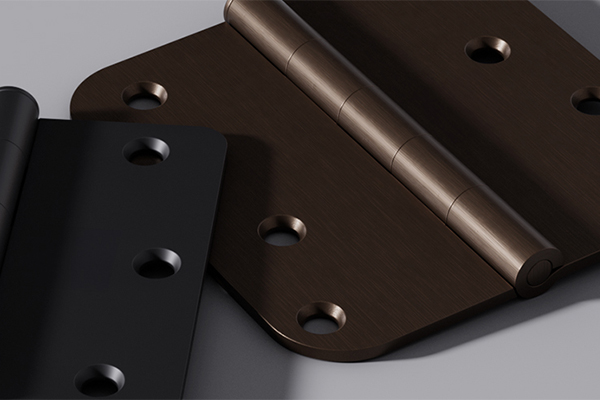
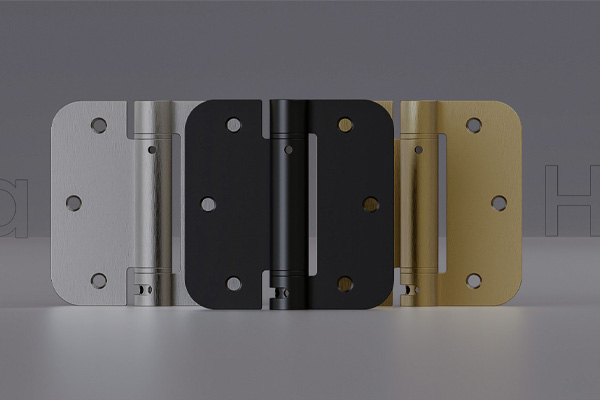
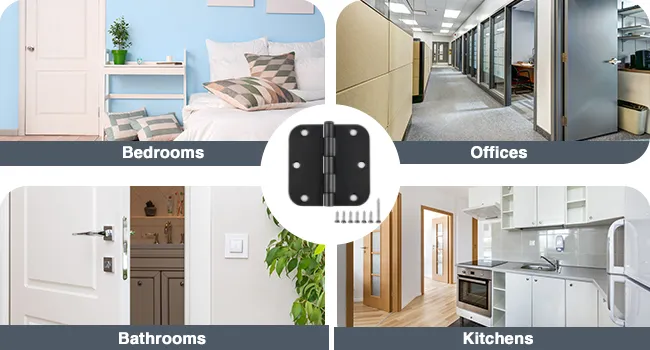
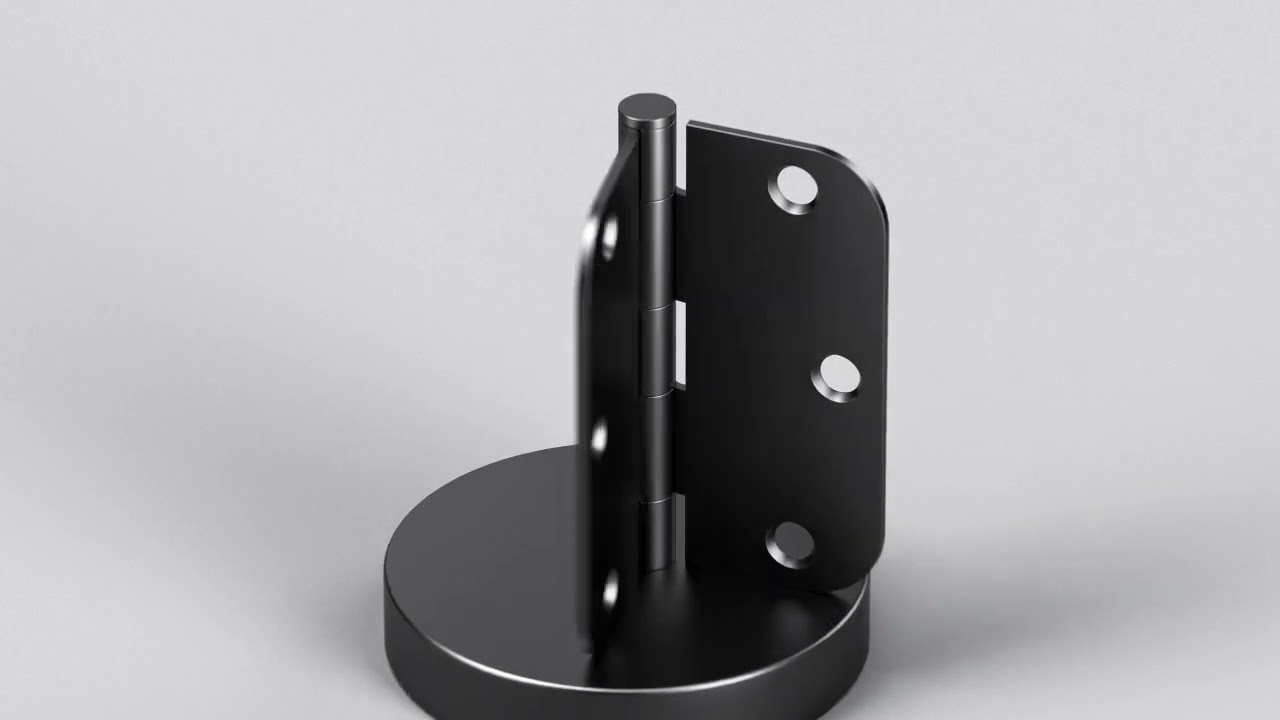
From a practical standpoint, the durability of iron hinges translates into long-term cost-effectiveness and low maintenance. While untreated iron is susceptible to rust, modern manufacturing and finishing techniques have effectively mitigated this issue. Most high-quality iron hinges today are coated with protective layers such as powder coating, galvanization, or oil-rubbed bronze and black oxide finishes. A powder coat, for instance, is a durable polymer finish applied electrostatically and cured under heat, creating a skin that is resistant to chipping, scratching, and fading, as evidenced by product warranties often covering 10-15 years. This makes them suitable for both interior use and exposure to harsh outdoor elements. The material's resistance to warping and deformation under stress ensures that doors remain properly aligned over time, preventing issues with latching and operation. For historic building restoration, iron hinges are often the only authentic choice, preserving the architectural integrity of the property. Their thermal stability also means they perform consistently across a wide range of temperatures, unlike some alloys that may become brittle in extreme cold. Ultimately, the investment in iron hinges pays dividends in security, longevity, and enduring beauty, making them a superior choice for both residential and commercial applications.

 40% Amazon Market Share
 Door Hinges Brand on Amazon
 Products Sold Worldwide

.jpg)
_7.webp)




User Comments
Service Experience Sharing from Real Customers
Robert Johnson
CarpenterThese iron hinges are incredibly durable and have a perfect finish. They've held up my heavy oak door for over a year without any signs of wear. Excellent quality!
Sarah Chen
Interior DesignerThe aesthetic appeal of these iron hinges is outstanding. They added just the right rustic touch to my client's vintage door project. Installation was smooth and they're functioning perfectly.
Michael Brown
Property ManagerGreat value for money! These iron hinges have proven reliable across multiple properties I manage. They're sturdy and corrosion-resistant. Only minor point - could benefit from better packaging.
Emily Wilson
Furniture MakerAs a professional furniture maker, I'm impressed with the precision engineering of these hinges. The smooth movement and robust construction make them ideal for heavy cabinet doors. Will definitely reorder!