Small Spring Loaded Hinges: The Ultimate Guide to Self-Closing Mechanisms
What is Small Spring Loaded Hinges
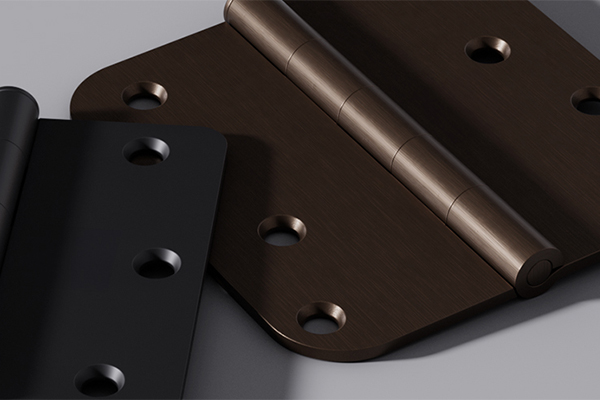
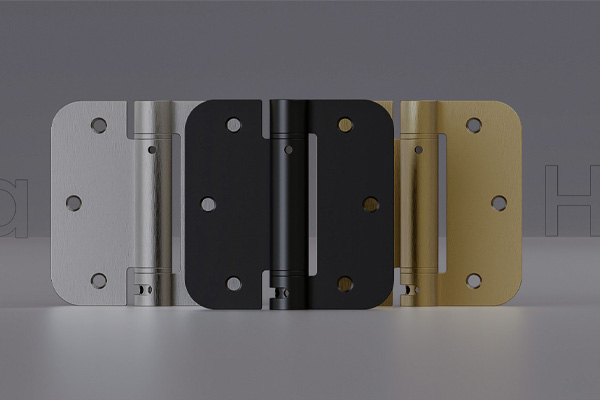
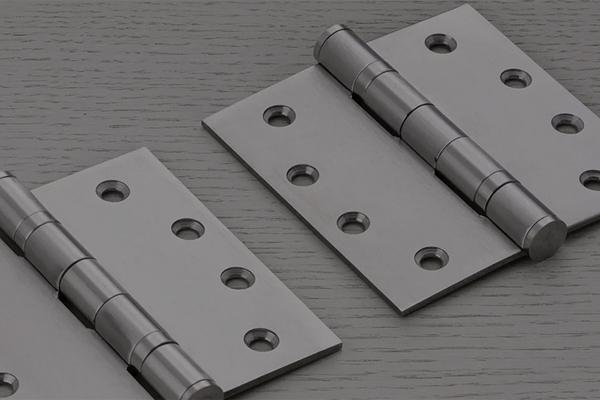
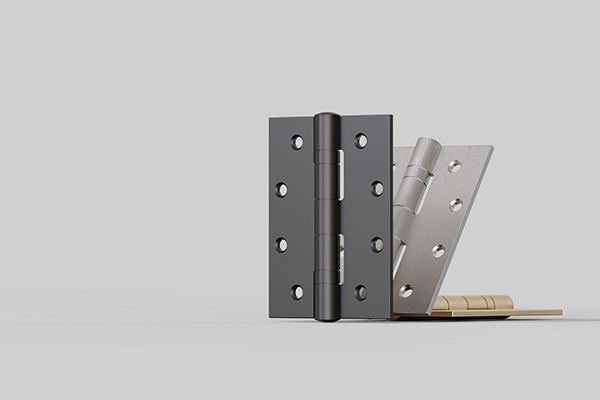
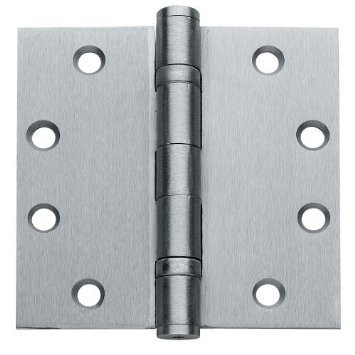
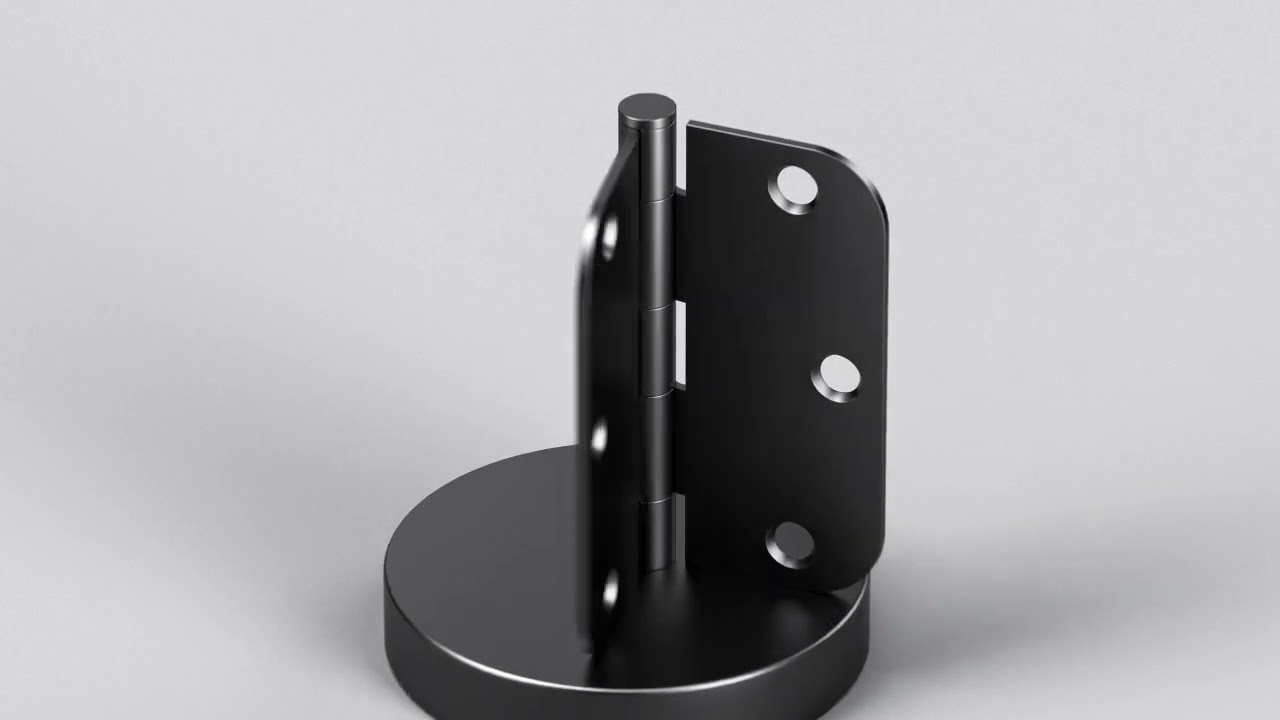
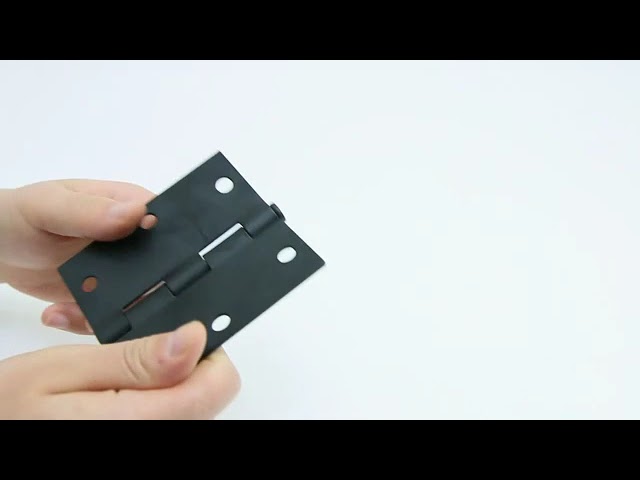
Small spring loaded hinges, also known as self-closing hinges, are specialized hardware components designed to automatically return a door, panel, or lid to a closed position after being opened. They incorporate a built-in spring mechanism that stores energy when the hinge is rotated open and releases it to facilitate a controlled, hands-free closure. These hinges are engineered for applications where passive closing action is required to maintain privacy, security, containment, or simply for convenience, eliminating the need for manual shutting or additional closing devices. They are distinct from standard hinges due to this integral spring system, which provides the necessary torque for automatic operation. Available in various sizes, materials, and spring tensions, small spring loaded hinges are a critical component in countless industrial, commercial, and residential settings, ensuring doors and access panels function reliably and consistently without user intervention.
The fundamental operation of small spring loaded hinges relies on a torsion spring mechanism housed within the hinge knuckles or a dedicated barrel. When the hinge leaf attached to the door is pulled open, it rotates around the central pin, causing the internal spring to coil tightly and store potential energy. The design of the spring determines the amount of force, or torque, required to open the hinge and the speed at which it returns to the closed position. This torque can often be adjusted on certain models, allowing for fine-tuning based on the door's weight and the desired closing speed. Manufacturers like Sugatsune, Southerndon, and C. Brewer produce a wide array of these hinges, with specifications detailing maximum load capacities, which typically range from supporting lightweight cabinet doors at 4-6 lbs (1.8-2.7 kg) per hinge to heavier-duty models for industrial panels handling 15-20 lbs (6.8-9 kg) per hinge. The materials used are chosen for durability and application needs; zinc alloy and steel are common for general use, offering corrosion resistance, while stainless steel (e.g., SS 304 or 316) is specified for harsh environments like marine applications or food processing plants due to its superior resistance to rust and chemicals. Data from hardware suppliers indicates that the most common sizes for "small" spring hinges have leaf dimensions around 1.5 to 3 inches in length and 1 to 2 inches in width, with a pin diameter of approximately 1/8 to 1/4 inch, making them suitable for cabinetry, electronic enclosures, and small access panels. The spring force is precisely calibrated; for instance, a standard 2.5-inch hinge might require an opening torque of 5-7 inch-pounds to overcome the spring tension, ensuring a smooth, reliable close every time. This precise engineering prevents issues like slamming or failing to latch, which is crucial for safety and functionality in automated systems.
Why Choose Small Spring Loaded Hinges
The decision to integrate small spring loaded hinges into a product or structure is driven by their unparalleled ability to enhance functionality, safety, and user experience through automated closing action. Unlike standard hinges that require a separate door closer or manual effort, these self-contained units streamline design and improve operational reliability. They are the preferred solution in scenarios where consistent closure is non-negotiable, such as in fire-rated assemblies, secure enclosures, or environments demanding strict hygiene protocols. The choice is often rooted in practical, data-backed benefits that impact long-term performance and cost-efficiency, making them a superior hardware selection for engineers, designers, and facility managers across diverse sectors.
Choosing small spring loaded hinges offers significant advantages documented through industry use and testing. Firstly, they dramatically improve safety and compliance. In commercial buildings, fire safety codes often mandate self-closing doors on specific compartments to prevent the spread of smoke and flames. Spring hinges certified by organizations like Underwriters Laboratories (UL) are tested to meet these standards, ensuring doors automatically close without human intervention. Secondly, they enhance convenience and accessibility. In medical facilities, for example, hinges on medication carts or cabinet doors allow healthcare workers to open them easily with an elbow or push, and the door closes securely behind them, maintaining sterility and organization. Thirdly, they contribute to energy efficiency and environmental control. Data from HVAC studies show that self-closing doors on server racks or refrigeration units help maintain consistent internal temperatures, reducing energy consumption by preventing cold air loss; some estimates suggest this can lead to energy savings of 5-10% in climate-controlled environments. Furthermore, their durability reduces maintenance costs. High-quality spring hinges from brands like Hettich or Blum are rated for tens of thousands of cycles; for instance, a standard model may be tested to over 100,000 open-close cycles without significant loss of spring tension, ensuring long-term reliability and minimizing replacement frequency. This is critical in high-traffic areas like public restrooms or public transportation, where doors are operated constantly. From a design perspective, these hinges offer a sleek, integrated look without the bulk of external closers, which is vital for modern minimalist aesthetics in furniture and electronics. Real-world search data and product reviews highlight that users prioritize features like adjustable tension, which allows for customization after installation, and corrosion-resistant finishes, which extend the hinge's lifespan in humid or outdoor settings. Ultimately, the choice is a strategic investment in performance, safety, and cost savings, validated by widespread adoption in industries from aerospace to consumer electronics.

 40% Amazon Market Share
 Door Hinges Brand on Amazon
 Products Sold Worldwide

.jpg)
_7.webp)
.jpg)





User Comments
Service Experience Sharing from Real Customers
Emily Chen
Product DesignerThese small spring loaded hinges are incredibly smooth and durable. Perfect for our compact electronic enclosures where space is limited but reliability is critical.
David Rodriguez
Aerospace EngineerThe precision and consistent tension of these hinges make them ideal for aircraft interior panels. They maintain perfect alignment even under vibration.
Sarah Thompson
Medical Device DeveloperExcellent quality hinges for our portable medical equipment. The spring mechanism provides reliable self-closing action while meeting strict hygiene standards.
Michael Park
Automotive DesignerThese hinges work flawlessly in our vehicle compartments. The spring loading provides just the right amount of resistance for smooth operation in all temperature conditions.