
Choosing the Right Metal Gate Hinges for Your Project
Choosing the Right Metal Gate Hinges for Your Project
Choosing the right gate hinges metal involves matching hinge type, size, and material to your gate’s weight, construction, and usage. Proper hinge selection ensures safety, durability, and smooth movement. TDC offers a wide range of customizable solutions, including adjustable, weld-on, and bolt-on hinges, with tailored materials, finishes, and sizes to fit every project.
Why Hinge Choice Matters
Safety and Security
Selecting the right gate hinges metal is critical for maintaining safety and security. Improper installation or hinge selection can expose your property to risks. The table below outlines common safety issues and their consequences:
Installation Error | Risk | Maintenance Cost Implication |
|---|---|---|
Misaligned hinges | Door binding, uneven wear | Increased repair frequency |
Incorrect screw selection | Loosening, detachment | Frequent re-tightening or replacement |
Skipped pre-drilling | Weak anchoring | Door sagging, hinge damage |
Hinges with non-removable pins or weld-on designs prevent unauthorized access. Reinforced leaf plates and thicker pin barrels help maintain gate alignment. Weather-resistant hinges withstand rain, snow, and UV exposure, reducing vulnerability.
Durability and Performance
Durable hinges extend the lifespan of your gate and minimize maintenance. Stainless steel hinges resist rust and corrosion, making them ideal for outdoor gates. Galvanized hinges feature zinc coatings that protect against harsh weather. Brass hinges offer natural resistance to corrosion and suit decorative gates. Regular maintenance, including inspection and lubrication, ensures smooth operation and reduces costly repairs.
Stainless steel hinges: Best for wet climates
Galvanized hinges: Suitable for harsh environments
Brass hinges: Great for decorative gates
Functionality
The performance of gate hinges metal depends on material, size, and hinge type. Steel and stainless steel provide strength for heavy gates. Larger hinges distribute loads more effectively, while heavy-duty hinges are tested for maximum capacity. Low friction hinges, often with brass bearings, minimize resistance and support frequent use. Weld-on and pivot hinges are ideal for high-traffic areas, maintaining alignment and preventing drooping.
Tip: Always match hinge size and material to your gate’s weight and expected usage for optimal results.
Assess Your Gate
Weight and Width
The weight and width of your gate are the primary factors in selecting the right hinges. Accurate measurement ensures proper fit and prevents premature wear. Consider the following points when assessing your gate:
Measure the height, width, and thickness of the gate to determine the appropriate hinge size.
Confirm that the hinge load capacity matches or exceeds the gate's weight. This prevents sagging and scraping.
For heavier or taller gates, adding a third hinge increases stability and reduces stress on each hinge.
Heavy-duty hinges are necessary for gates with substantial weight, while lighter gates can use standard hinge types.
The strength of the hinges must support the increased load from wider and heavier gates.
Tip: Always verify the manufacturer's specifications for hinge load capacity before installation.
Gate Material
Gate material directly affects hinge compatibility and longevity. Stainless steel hinges offer superior corrosion resistance, making them ideal for gates in coastal regions. Carbon steel hinges require protective coatings to prevent rust, especially in humid or industrial environments. The alignment of hinge material with environmental exposure ensures durability and reduces maintenance needs. In dry inland climates, hinges must withstand dust and debris, while polluted areas may require chemical-resistant finishes. Selecting the right hinge material based on your gate's location and exposure is essential for long-term performance.
Usage Frequency
Usage frequency determines the type of hinge best suited for your gate. Gates that experience constant use benefit from hinges with bearings or bushings, which minimize wear and tear. Heavy-duty hinges are recommended for gates made of iron or steel, as these materials demand higher tensile strength. Steel and stainless steel hinges are preferred for high-traffic applications due to their durability and strength. The table below summarizes recommended features based on usage frequency:
Frequency of Use | Suggested Feature |
|---|---|
High | Ball bearings for smoothness |
Selecting gate hinges metal with the appropriate features ensures smooth operation and extends the lifespan of your gate, especially in demanding environments.
Types of Gate Hinges Metal
Choosing the right hinge type is essential for ensuring your gate operates safely and efficiently. Each hinge style offers unique advantages for specific gate designs and applications. TDC provides a comprehensive selection of gate hinges metal, including stainless steel and spring hinges, to meet diverse project requirements.
Butt Hinges
Butt hinges are a classic choice for lightweight metal gates. These hinges require mortising, allowing them to sit flush with the gate and frame. They deliver a clean, unobtrusive appearance and are commonly used in residential settings.
Hinge Type | Best Use Case | Durability Characteristics |
|---|---|---|
Butt Hinge | Lightweight gates, interior doors | Sits flush, requires mortising, moderate load capacity |
Manufacturers recommend butt hinges for gates where aesthetics and minimal protrusion are important. They work well for smaller gates that do not require heavy-duty support.
Note: Butt hinges are not suitable for gates exposed to harsh weather unless made from stainless steel or treated for corrosion resistance.
Strap Hinges
Strap hinges are surface-mounted and easy to install. Their long, sturdy arms provide excellent support for heavy gates, such as barn doors or large garden gates. Strap hinges distribute weight efficiently, making them ideal for gates weighing hundreds or thousands of pounds.
Surface-mounted design simplifies installation.
Decorative options available for enhanced visual appeal.
Heavy-gauge material accommodates substantial gate weights.
Hinge Type | Best For | Weight Capacity |
|---|---|---|
Strap Hinge | Large, heavy gates | Substantial gate weights |
Strap hinges are the preferred style for heavy-duty applications. Their robust construction ensures durability and reliable performance, even in demanding environments.
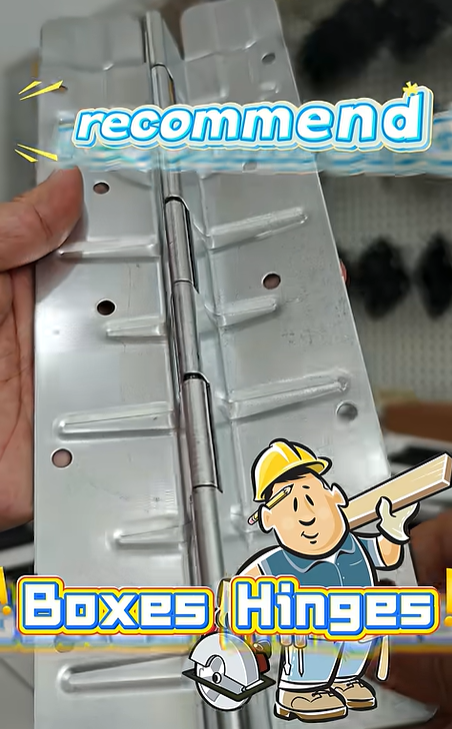
Tee Hinges
Tee hinges feature a T-shaped design, combining the benefits of strap hinges with a compact mounting plate. These hinges are decorative and suitable for light to medium-weight gates. Tee hinges offer easy installation and a traditional look.
Best for gates under 75 pounds.
Provides moderate support and a classic appearance.
Ideal for garden gates, shed doors, and smaller metal gates.
Hinge Type | Best For | Weight Capacity |
|---|---|---|
Tee Hinge | Lightweight gates | Under 75 pounds |
Tee hinges do not offer the same load-bearing capacity as strap hinges. They are best used where gate weight is limited and aesthetics are a priority.
Weld-On Hinges
Weld-on hinges are engineered for heavy metal gates and industrial applications. These hinges are permanently welded to the gate and post, providing unmatched strength and security. Weld-on hinges withstand constant use and heavy loads without wearing out.
Advantage | Description |
|---|---|
Aesthetics | Minimalist appearance, blends seamlessly with gate design. |
Durability | Withstands heavy loads and frequent use. |
Security | Difficult to tamper with, enhances safety for industrial gates. |
Versatility | Available in various sizes and designs, customizable for different projects. |
Longevity | Requires minimal maintenance, lasts for decades in harsh conditions. |
Weld-on hinges are the best option for gates that demand maximum stability and security. Professional installation is required to ensure proper alignment and performance.
Tip: Weld-on hinges are ideal for industrial gates, security gates, and any application where tamper resistance is critical.
Specialty Hinges
Specialty hinges address unique requirements for custom gate installations. These include barrel hinges, ball bearing hinges, bolt-on hinges, and adjustable models. Specialty hinges are designed for specific applications, such as large driveway gates, gates on slopes, or gates needing automatic closure.
Heavy-duty barrel hinges support large driveway gates.
Ball bearing hinges ensure smooth operation for mid-size gates.
Bolt-on hinges allow for easy installation without welding.
Adjustable hinges accommodate gates on uneven terrain.
Model | Diameter | Material Options | Description |
|---|---|---|---|
H17 | 3/4" | 1018 low-carbon steel, 6061-T6 aluminum | Ideal for smaller gates like garden gates and wine cellars. |
H20 | 1" | Low-carbon steel, aluminum | Suitable for steel and aluminum doors or smaller driveway gates. |
H30 | 1 3/8" | Low-carbon steel, aluminum | Popular for larger driveway or estate gates with various tab options. |
H40 | 1 3/4" | Steel | Designed for the heaviest gates, offering maximum support. |
Block Models | N/A | Steel, aluminum | Simple design that complements certain gates. |
Bolt-On Hinges | N/A | N/A | Can be bolted to gates, suitable for various materials. |
Specialty hinges can be custom manufactured in various lengths, metals, and finishes. TDC collaborates with clients to develop the right hinge for every application, ensuring optimal performance and longevity.
TDC offers a full range of gate hinges metal, including stainless steel and spring hinges, to suit residential, commercial, and industrial projects.
Hinge Size and Number
Sizing Guidelines
Selecting the correct hinge size is essential for safe and reliable gate operation. Industry standards recommend matching hinge size to both gate weight and width. Each hinge should support at least one-fifth of the gate’s total weight. The hinge’s width should measure no less than one-third of the gate’s width. This approach prevents sagging and ensures smooth movement.
Gate Weight | Recommended Hinge Type |
|---|---|
< 50 lbs | Standard duty |
50-100 lbs | Heavy-duty |
100+ lbs | Industrial grade or multi-hinge |
For example, a 100-pound gate requires hinges rated for at least 20 pounds each. Wider gates need larger hinges to distribute the load evenly. Always check manufacturer specifications for load capacity and compatibility.
Tip: Oversizing hinges increases durability and reduces maintenance needs.
How Many Hinges
The number of hinges depends on gate height, weight, and construction. Taller or heavier gates require more hinges for stability. The following tables summarize industry recommendations:
Height of Gate (inches) | Number of Hinges Required |
|---|---|
Up to 30 | 1 |
31 to 60 | 2 |
61 and above | 3 or more |
Gate Type | Number of Hinges Needed |
|---|---|
Hollow core door | 2 |
Solid core door | 3 |
Heavy doors | 3 |
Most residential gates use two hinges, while commercial or heavy-duty gates often require three or more. Using the correct number of gate hinges metal ensures proper alignment and extends the life of your installation.
Hinge Material Selection
Steel and Stainless Steel
Steel hinges provide strength and reliability for most gate installations. Stainless steel hinges, however, offer superior performance in outdoor and high-moisture environments. These hinges resist rust and corrosion, making them the preferred choice for gates exposed to rain, humidity, or salt air. TDC’s stainless steel hinges feature built-in lubrication, ensuring smooth operation and minimal maintenance. The table below outlines the key benefits of stainless steel hinges for outdoor gates:
Feature | Description |
|---|---|
Weather Resistance | Designed to withstand harsh outdoor conditions. |
Corrosion Resistance | Made from 304/316 stainless steel, resists rust and corrosion. |
Load Capacity | Supports loads over 260 lbs, with options up to 440 lbs. |
Low Maintenance | Minimal upkeep, resists UV light and chemicals. |
Quality Assurance | Exceeds ASTM B117 salt spray tests for longevity in seaside environments. |
Galvanized Options
Galvanized steel hinges are coated with zinc, which forms a protective barrier against rust and moisture. These hinges perform well in most atmospheric conditions and offer a cost-effective solution for many projects. Consider the following points when comparing galvanized to stainless steel:
Stainless steel contains at least 10% chromium, providing enhanced rust resistance.
Galvanized steel is effective in fresh water but less so in saltwater or chemical-rich environments.
The zinc coating on galvanized steel can wear away, exposing the steel to corrosion.
Stainless steel is better suited for marine or coastal applications.
Rustproof Features
Selecting hinges with rustproof features is essential for long-term durability, especially in coastal or humid climates. The table below summarizes the most effective rustproof materials and coatings for gate hinges metal:
Material Type | Rustproof Feature Description |
|---|---|
Stainless Steel | Highly resistant to rust and corrosion, ideal for outdoor and moist environments. |
Galvanized Steel | Zinc coating provides excellent protection in humid conditions. |
Aluminum | Lightweight and rust-resistant, suitable for high-humidity or coastal areas. |
Powder-Coated/PVC-Coated | Additional coatings enhance protection and reduce wear from the elements. |
TDC’s advanced manufacturing ensures every hinge meets the highest standards for rustproof performance and smooth operation.
Special Features
Self-Closing Hinges
Self-closing hinges deliver advanced functionality for metal gates in high-traffic environments. These hinges use built-in springs or hydraulic mechanisms to ensure gates close automatically after each use. Facility managers often select self-closing hinges to enhance safety and security. The automatic closure feature eliminates reliance on human action, reducing the risk of gates being left open.
Gates always close, preventing unauthorized access.
Spaces remain cleaner and safer, as contact with surfaces is minimized.
Energy efficiency improves because doors stay closed, helping maintain climate control.
Accidents are less likely, especially in busy areas, since gates close behind users.
In emergencies, self-closing hinges limit the spread of smoke and flames, providing valuable evacuation time.
Tip: Self-closing hinges are ideal for schools, hospitals, and commercial properties where safety and hygiene are priorities.
Heavy-Duty and Adjustable
Heavy-duty and adjustable hinges are engineered for gates that require superior strength and flexibility. These hinges support large, heavy gates and allow for precise alignment during installation. Adjustable models enable fine-tuning, ensuring gates swing smoothly and remain level over time. The following table highlights key benefits:
Benefit | Description |
|---|---|
Controlled Closure | Prevents accidents by managing gate movement. |
Ease of Operation | Allows heavy gates to open and close with minimal effort. |
Stability | Maintains gate alignment, even under heavy loads. |
Reduced Strain | Lessens physical effort, reducing injury risk. |
Enhanced Safety | Provides controlled lift, preventing sudden movements. |
Durability | Withstands harsh weather, ensuring long-lasting performance. |
Adjustable hinges simplify maintenance and extend gate lifespan, making them a smart investment for demanding installations.
Quick Reference Chart
Selecting the right hinge for your metal gate depends on several key factors. Gate weight, frequency of use, and environment all play important roles in hinge selection. The chart below provides a clear overview of recommended hinge types for common gate scenarios.
Gate Weight | Recommended Hinge Type |
|---|---|
Less than 50 lbs | Standard duty |
50–100 lbs | Heavy-duty |
Over 100 lbs | Industrial grade or multi-hinge |
Residential gates often weigh less than 50 pounds. Standard duty hinges provide reliable performance for these applications. Commercial gates typically require heavy-duty hinges, especially when gate weight falls between 50 and 100 pounds. Industrial gates or large estate gates demand industrial grade hinges or multiple hinges to support extra weight.
Usage frequency also impacts hinge choice. Gates that see frequent use benefit from hinges with ball bearings. These features ensure smooth operation and reduce wear.
Frequency of Use | Suggested Feature |
|---|---|
High | Ball bearings for smoothness |
Moderate | Bushings for durability |
Low | Standard pivot |
Tip: For outdoor gates exposed to moisture or salt air, stainless steel or galvanized hinges offer superior rust resistance.
Consider the following checklist when selecting hinges:
Match hinge type to gate weight and usage.
Choose rustproof materials for outdoor installations.
Use ball bearing hinges for gates with high traffic.
This quick reference chart simplifies hinge selection for residential, commercial, and heavy-duty projects. Proper hinge choice ensures safety, durability, and smooth operation.
Why Choose TDC Hinges
TDC stands as a leader in the hardware industry, holding a remarkable 40% market share on Amazon. The company delivers gate hinges metal to customers in over 146 countries. TDC’s reputation is built on advanced manufacturing, strict quality control, and a commitment to innovation. Clients benefit from factory-direct customization, which allows for tailored solutions that fit unique project requirements.
TDC’s premium hinges offer significant advantages for both residential and commercial applications. Fast delivery ensures projects stay on schedule. U.S.-based warehouses support rapid fulfillment, while global logistics reach customers worldwide. The following table summarizes delivery times for major regions:
Region | Transit Time |
|---|---|
United States | 2-3 business days once shipped |
Other Countries | Within 10-15 business days |
Cost savings and quality improvements set TDC apart from competitors. Customers experience reduced labor costs and enhanced product reliability. The table below highlights these benefits:
Cost Savings | Description |
|---|---|
Labor Cost Savings | Save 10% on labor cost |
Quality Improvement | 10% Improvement in quality |
TDC’s hinges undergo rigorous testing to ensure consistent performance and durability. The company’s advanced anodizing process delivers flawless finishes and long-lasting protection.
Choosing TDC means selecting a trusted partner for gate hinges metal. The brand’s expertise, global reach, and dedication to quality make it the preferred choice for demanding projects.
Selecting the right metal gate hinges involves several key steps:
Determine gate width and weight.
Choose a hinge compatible with your gate material.
Match hinge size and load capacity.
Select corrosion-resistant materials.
Consider hinge design for function and appearance.
Hinge Type | Application Requirements | Material Selection | Load Capacity |
|---|---|---|---|
Adjustable Hinge | Heavy or sagging gates | Stainless Steel | High |
TDC’s innovative hinges, featuring durable construction and intuitive adjustment, deliver proven reliability and long-term performance.
FAQ
What is the best hinge material for outdoor metal gates?
Material | Benefit |
|---|---|
Stainless Steel | Superior rust resistance |
Galvanized Steel | Cost-effective protection |
Stainless steel offers maximum durability. Galvanized steel provides reliable performance in most climates.
How many hinges should I use for a heavy gate?
For gates over 60 inches tall or weighing more than 100 pounds, use at least three heavy-duty hinges. This ensures stability and prevents sagging.
Can TDC hinges be customized for unique projects?
Yes, TDC offers factory-direct customization.
Choose size, finish, and material to match your project requirements.
OEM and bulk solutions are available.
Related articles
-
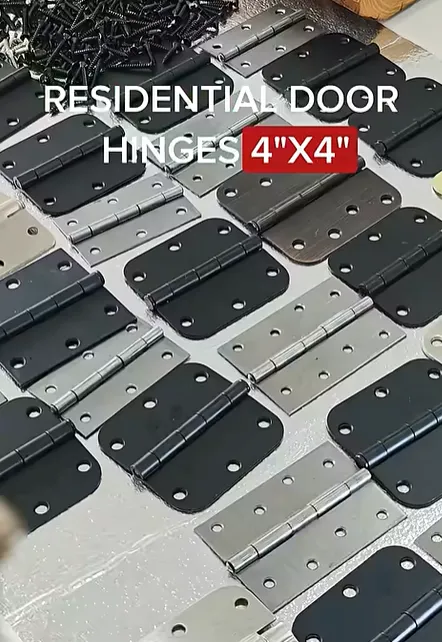
Discover the Best Tips for Choosing Different Kinds of Hinges for Your Home
Find out how to select different kinds of hinges for your home, matching hinge type, material, and finish to your doors, cabinets, and furniture needs.Apr-09-2026 Learn More >> -
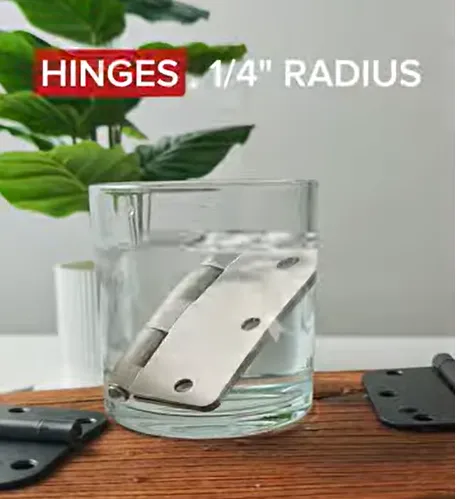
How to Adjust Residential Door Hinges for a Perfect Fit
Adjust residential door hinges to fix sagging, squeaks, and misalignment. Follow simple steps for a perfect door fit and smooth operation at home.Apr-09-2026 Learn More >> -
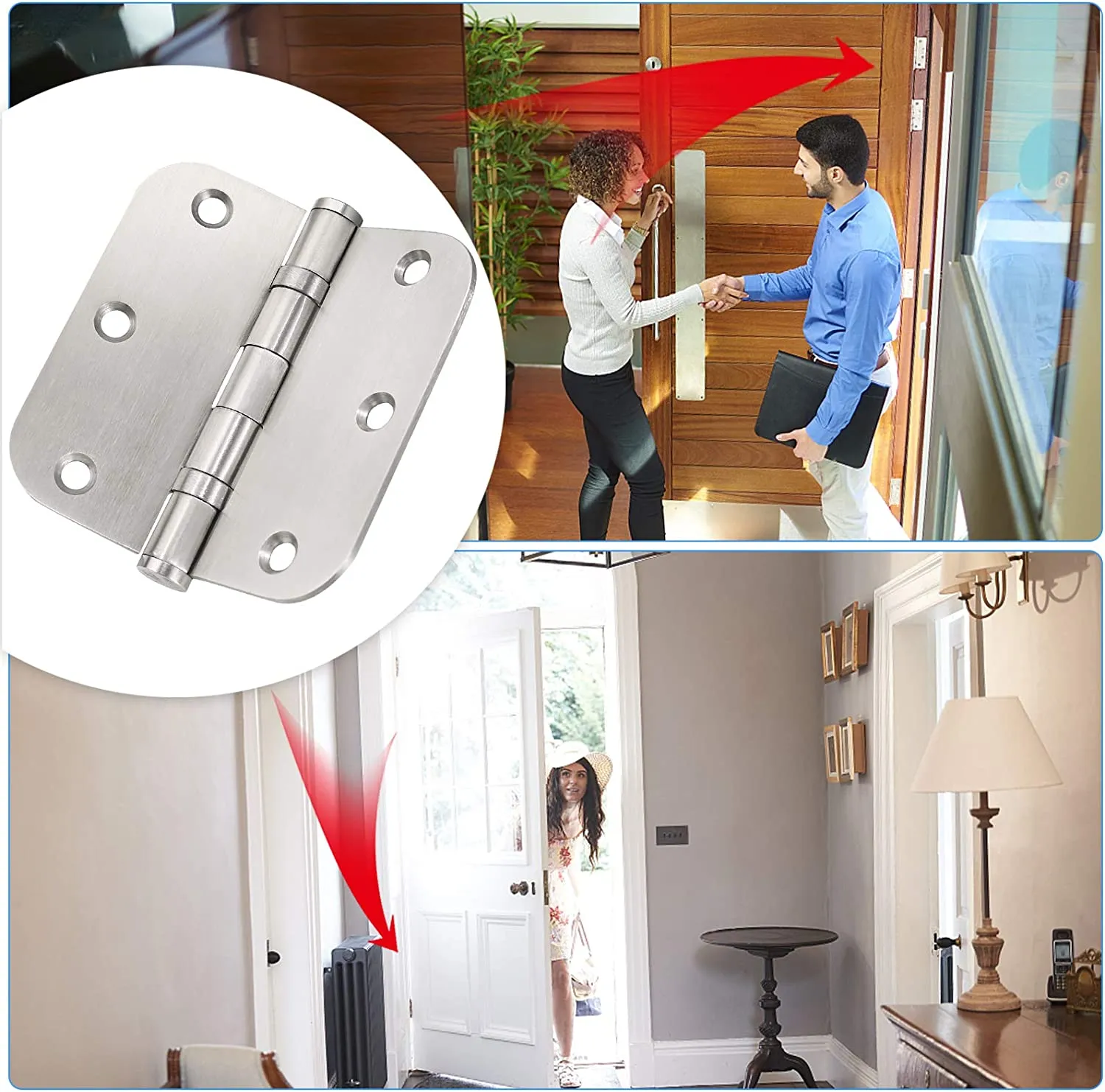
Simple Ways to Remove Door Hinges Without Damage
Remove hinges from a door without damage by supporting the door, removing pins, and unscrewing hinges. Follow these steps for a smooth, safe process.Apr-09-2026 Learn More >> -
The Benefits of Choosing Inset Cabinet Hinges for Your Home Renovation
Inset cabinet hinges offer a seamless look, smooth operation, and lasting durability, making them a smart choice for your home renovation project.Apr-09-2026 Learn More >>

Contact
Tel: +8613325838282
Add: 12819 Telegraph Road Santa Fe Springs, CA 90670
Follow Us:


